
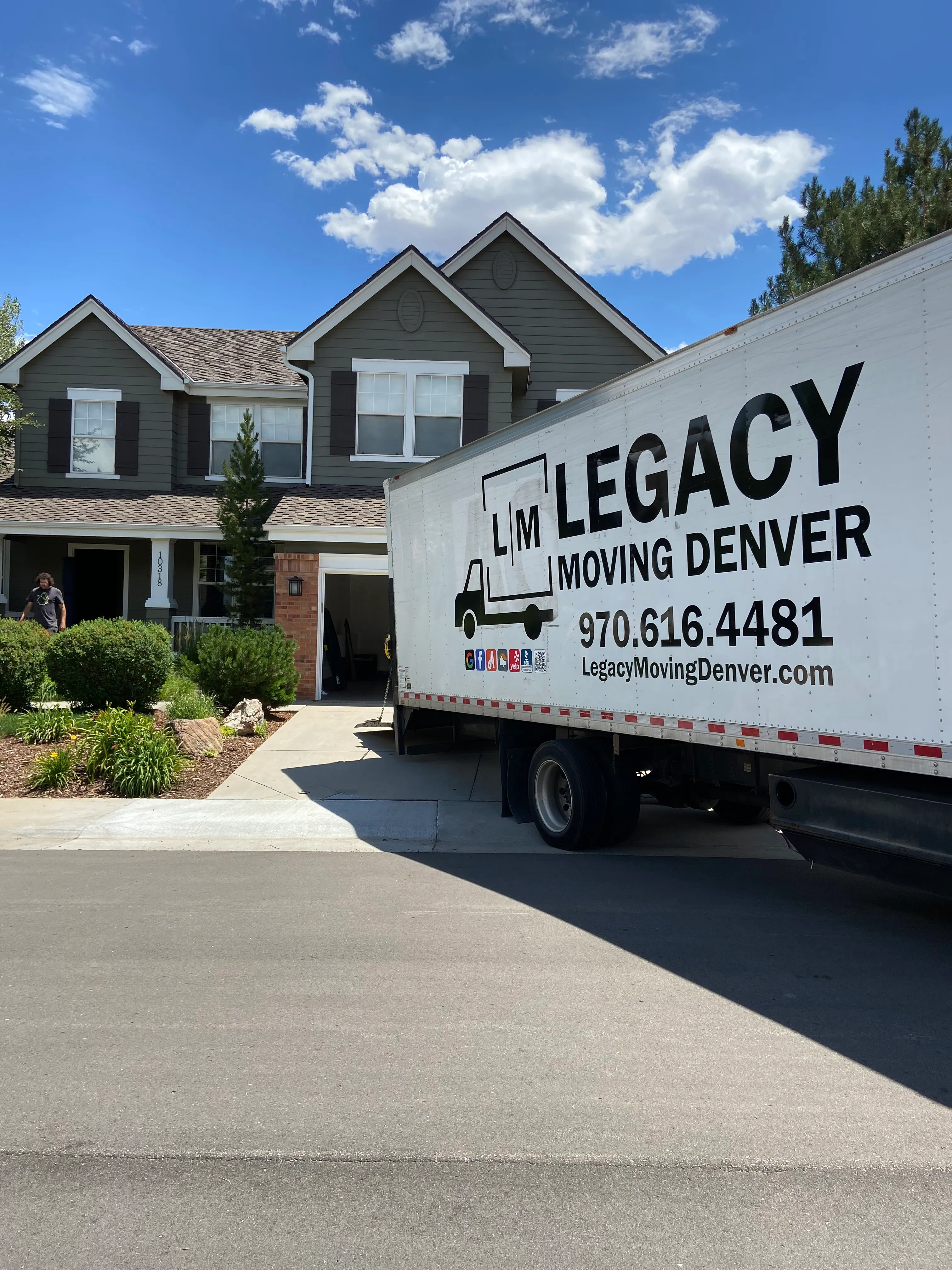
Moving with a family is like orchestrating a complex production where everyone has a role, belongings multiply mysteriously, and timing is everything. Whether you're relocating from Capitol Hill to Highlands Ranch, moving across Aurora, or leaving Denver for Boulder, family moves require more planning than individual or couple moves. There are school records to transfer, pediatrician files to request, sports team registrations to change, and the emotional needs of children who might be leaving friends and familiar places.
After coordinating hundreds of family moves throughout the Denver metro area, I've seen which checklists actually help families stay organized and which ones look good on paper but fall apart in reality. This guide provides a realistic, comprehensive checklist organized by timeline, with specific considerations for Denver-area families. Use it as your roadmap, adapting as needed for your family's specific situation.
Eight Weeks Before Moving Day: Research and Major Decisions
Two months before your move is when you make the biggest decisions that shape everything else. Starting this early might seem excessive, but family moves involve more coordination than most people realize.
Book your moving company or reserve your rental truck. This is priority number one. Good moving companies book up weeks or even months in advance, especially during peak moving season (May through September). For families, professional movers aren't just about convenience—they dramatically reduce the stress and physical burden of moving with children. Even if you're considering a DIY move to save money, get quotes from professional movers to understand your options.
When evaluating movers for family moves, ask specific questions: Do they have experience with family moves? Can they accommodate a move timeline around your children's schedule? What happens if your move needs to be rescheduled? Do they offer packing services (which can be invaluable for busy families)? Will the same crew handle your entire move, or might you get different teams?
For Denver-area moves, ask about their experience with local neighborhoods, particularly if you're moving to areas with access challenges like narrow streets, steep driveways, or limited parking. Companies offering local moving services throughout the Denver metro understand these challenges.
Research your new neighborhood and schools thoroughly. If you have school-age children, the school district often drives your housing decision. However, even within good districts, individual schools vary. Visit schools if possible, talk to parents in the neighborhood, and understand registration requirements and timelines. Some Denver-area schools have waiting lists or specific enrollment windows.
Beyond schools, research: parks and playgrounds your kids will use, library locations and whether they offer children's programs, pediatricians and dentists accepting new patients in your new neighborhood, activities and sports programs available, and how the commute to your spouse's work changes.
The Denver metro area is large and diverse. Moving from one side to another can mean significant lifestyle changes. A family in suburban Highlands Ranch experiences Denver very differently than a family in urban Capitol Hill or mountain-adjacent Evergreen. Make sure the neighborhood aligns with your family's lifestyle and values.
Create your moving binder or digital organization system. Families accumulate paperwork during moves—contracts, receipts, medical records, school documents, and more. Establishing your organization system now prevents the frantic "where did I put that?" searches later. Whether you prefer a physical three-ring binder or a digital system using folders or apps, create sections for moving company information, housing documents, school records, medical and dental information, receipts and expenses, inventory lists, and contacts for everyone you need to notify.
Start gathering important documents. Many family documents need to be updated with address changes or transferred to new providers. Begin collecting: birth certificates, social security cards, passports, school records and report cards, immunization records, medical records for all family members, dental records, pet vaccination and health records, vehicle titles and registration, insurance policies, bank and investment statements, and any legal documents like custody agreements or trusts.
Having these documents organized early means you can update addresses or transfer records systematically rather than rushing at the last minute.
Begin the decluttering process. This is perhaps the most important eight-week task. Families accumulate belongings at an astonishing rate—kids' outgrown clothes and toys, unused sports equipment, expired pantry items, duplicates of kitchen gadgets, old electronics, and more. Moving is the perfect opportunity to purge.
Start with one category or room. This weekend, tackle kids' clothes. Next weekend, sort through toys. The following weekend, assess sports and outdoor equipment. Breaking decluttering into small chunks prevents it from being overwhelming. Involve kids in age-appropriate ways—even young children can help decide which toys they no longer play with.
Set up a donation station. Designate a space in your garage or basement where donation items accumulate. Once you have a substantial amount, schedule a pickup with a charity or take items to a donation center. Many Denver-area charities offer pickup services: ARC Thrift Stores, Goodwill, Denver Rescue Mission, and others.
Research childcare for moving day. Moving day is chaotic, stressful, and potentially dangerous with movers carrying heavy furniture through doorways. Young children need to be elsewhere. Start identifying options now: Can relatives take the kids for the day? Can you arrange a playdate at a friend's house? Would a familiar babysitter watch the children at their house or another location? Are there drop-in childcare centers near either your current or new home?
Six Weeks Before: School and Activity Transitions
Six weeks out, your focus shifts to the transitions that affect your children's daily lives and routines.
Notify your children's current schools. Schools need advance notice of withdrawal, and you need to request records be transferred. Meet with the school counselor or administrator to understand the withdrawal process. Request official transcripts, particularly for middle and high school students. Ensure you get copies of IEPs, 504 plans, or any special education documents. Request immunization records (you'll need these for the new school). Return any school property like library books, textbooks, or loaned equipment.
Ask teachers to write letters of recommendation if applicable, especially for high school students who might use them for future college applications. Find out about any end-of-year events your child might miss and whether they can still participate.
Research and begin the enrollment process at new schools. Different Denver-area school districts have different enrollment procedures. Some require proof of residency before enrollment, which can be challenging if you're moving into a new home. Understand what documents are required: typically proof of address, immunization records, birth certificate, and previous school records.
If your new school requires testing or placement assessments, schedule these early. Some schools have waiting lists or specific enrollment windows. For high school students, ensure their credits will transfer and understand how grading and curriculum differences might affect them.
Notify and arrange transitions for extracurricular activities. If your children participate in sports, music lessons, scouts, or other activities, these need attention. Sports teams often have registration deadlines and might require tryouts. Music teachers might have waiting lists. Dance studios require advance notice of departure and research about new studios.
Research comparable activities in your new neighborhood. Can your daughter continue with the same gymnastics level at a gym near your new home? Will your son's soccer team have a counterpart? This research helps you talk with your kids about continuity in their activities.
Have age-appropriate conversations with your children about the move. How you approach this depends on your children's ages, but honesty and openness reduce anxiety. Share why you're moving, show them photos of the new house and neighborhood, visit the new neighborhood if possible to build familiarity, involve them in planning their new rooms, acknowledge that it's okay to feel sad about leaving friends and familiar places, and discuss how they'll stay in touch with current friends.
School-age children often worry most about making new friends. Talk about how friendships develop and remind them of how they made current friends. Younger children might worry about whether their toys will come or whether their room will be the same. Address their specific concerns directly.
One Month Before: Logistics and Planning
Four weeks before your move, you're transitioning from big-picture planning to specific logistics.
Confirm all moving arrangements. Contact your moving company to confirm date, time, pickup and delivery addresses, and any special requirements. If you're moving yourself, confirm truck rental reservations. Reserve parking permits if needed—many Denver neighborhoods require permits for large moving trucks. Check HOA rules at both your current and new homes, as some have restrictions on moving days, times, or processes.
Notify utilities and service providers. Create a master list of every company that needs your new address: electricity, gas, water, trash/recycling, internet and cable, phone service, security systems, lawn care or snow removal services. For utilities, schedule disconnection at your old address and connection at your new address. Many providers need several weeks' notice. Internet installation can have particularly long wait times—schedule this immediately if you haven't already.
Update your mailing address. File a change of address with USPS online at usps.com. This should be done 2-4 weeks before you move. Mail forwarding isn't instantaneous—it takes a few days to process. Additionally, notify: banks and credit card companies, insurance companies (home, auto, life, health), investment and retirement accounts, subscription services, professional organizations, and any companies that regularly mail to you.
Schedule medical and dental appointments. Before you move, schedule final checkups and appointments: pediatrician wellness visits, dental checkups and cleanings, eye exams and prescription updates, any specialists your children see regularly, and obtain copies of medical records and current prescriptions. If moving out of your insurance network, research new providers and get referrals from your current doctors. Schedule initial appointments at new providers if possible, particularly for children with ongoing medical needs.
Begin packing non-essential items. One month out, start packing things you won't need before moving day: out-of-season clothes, books you're not currently reading, decorative items, extra linens and towels, special occasion dishes, and hobby supplies you won't use.
Set up a packing station in a spare room or basement area with your supplies organized: boxes in various sizes, packing paper and bubble wrap, markers and labels, tape gun and extra tape, and scissors and box cutters.
Create your packing inventory system. Number each box and keep a master list of what's in each box. This sounds tedious but becomes invaluable, especially if you need to find something specific quickly or if anything goes missing. Your inventory can be as simple as "Box 1: Kitchen - mixing bowls, serving platters" or as detailed as you like.
Make plans for pets. Pets get stressed by moving chaos. Decide where pets will be on moving day—ideally at a friend's house, a pet sitter, or boarded at a kennel. Research veterinarians in your new neighborhood and ensure you have copies of vaccination records. Update microchip information with your new address. If moving to a new city, research whether your new municipality requires pet licenses.
Order supplies for moving day. Beyond packing materials, you'll need cleaning supplies for both homes, snacks and drinks for moving day, first aid kit, tool kit for disassembling and reassembling furniture, and labels or signs to mark rooms in your new home for the movers.
Two Weeks Before: Deep Packing and Final Arrangements
Two weeks before your move, packing intensifies and final details need attention.
Pack intensively. By now, you should have most rooms substantially packed except for kitchens, bathrooms, and current-use items. Focus on completing: all bedrooms except linens and current clothes, living areas except daily-use items, garage and storage areas, home office except current-use items, and closets and storage spaces.
Create a system for "open me first" boxes. These boxes contain items you'll need immediately at your new home. Label them clearly and distinctly so they don't get buried in the truck. Each family member should have their essentials easily accessible.
Arrange for childcare the day before, moving day, and day after if possible. Moving preparation the day before involves last-minute packing, cleaning, and stress. Moving day is chaos. The day after involves unpacking, organizing, and exhaustion. Having childcare for all three days isn't always possible, but at minimum, ensure children are cared for on actual moving day.
Deep clean your current home. Start deep cleaning rooms as they're packed. You'll need to leave your current home in good condition, especially if you're selling or want your security deposit returned. Clean room by room: wash walls and baseboards, clean inside cabinets and closets, clean appliances thoroughly, vacuum and clean floors, clean windows and mirrors, and touch up paint if needed.
Confirm all details with your moving company. Call to reconfirm pickup time, addresses, and details. Confirm pickup and delivery addresses, time movers will arrive, contact information for the moving day supervisor, payment method and amount due, and any last-minute changes to your move plan. Ask if there's anything they need from you to make the move go smoothly.
Prepare an essentials bag for each family member. Each person should have a bag with: 2-3 changes of clothes, toiletries and medications, phone chargers, important documents, comfort items for children (favorite stuffed animal, blanket, etc.), and snacks and water bottles.
Pack a moving day survival kit. This should include: paper plates, cups, and plastic utensils, paper towels and toilet paper, basic tools (screwdriver, hammer, utility knife), cleaning supplies, trash bags, first aid kit, phone chargers, important documents and valuables, medications, pet food and supplies, and cash for tipping movers or unexpected expenses.
Take photos of your current home. Document the condition of your home for landlords or buyers. This protects you if there are disputes about damage or condition.
Measure doorways and spaces in your new home. Ensure large furniture will fit through doors, up stairs, and into rooms. This prevents moving day surprises when the couch doesn't fit through the doorway.
One Week Before: Final Preparations
The final week is about completing tasks and preparing mentally for moving day.
Finish packing everything except daily essentials. By one week before, 90% of your home should be packed. What remains are items you're currently using: few days' worth of clothes, basic toiletries, minimal kitchen items, current medications, and kids' current toys and entertainment.
Defrost your freezer if you're moving the refrigerator. This needs to happen at least 48 hours before moving day to allow complete thawing and drying. Empty the freezer completely, unplug it, leave doors open, place towels underneath to catch water, and once thawed, clean and dry thoroughly.
Prepare appliances for moving. Washing machines need hoses disconnected and drums secured. Dryers need vents disconnected. TVs need cables organized and remotes secured to them.
Do final coordination with everyone involved. Confirm with movers one last time. Confirm with helpers if friends or family are assisting. Confirm childcare arrangements. Notify neighbors if you're blocking parking or streets. Notify your landlord or HOA if required.
Stock your new home with basics. If possible, take a trip to your new home with basic supplies: toilet paper and paper towels, hand soap and cleaning supplies, light bulbs, trash bags, basic tools, and coffee and basic pantry items if you'll have kitchen access.
Plan meals for the moving period. The days before, during, and after your move, cooking will be difficult or impossible. Plan easy meals, order takeout, or prep food ahead if possible. Know what restaurants are near your new home for moving day dinner.
Set aside valuables and important items. Don't pack items you want to personally transport: important documents, jewelry, family heirlooms, laptops and electronics with sensitive data, medications, and anything irreplaceable.
Get cash for tipping. Plan to tip movers typically $20-40 per mover depending on the difficulty of your move and quality of service. Having cash ready prevents moving day scrambling.
Prepare kids for moving day. Explain what will happen, when they'll go to their caregiver, and when they'll see you at the new house. Let them pack a special bag with favorite items for the transition day.
48 Hours Before: Final Countdown
Two days before your move, final preparations intensify.
Pack your remaining items. Now you're packing things you've been using up until the last minute. Leave out only: one change of clothes per person, basic toiletries, phone chargers, medications, important documents, and minimal food and dishes for one more meal.
Clean empty rooms as you finish packing them. Once a room is completely packed, clean it immediately. This breaks the cleaning into manageable pieces rather than facing the entire house at once.
Take final meter readings. Note electric, gas, and water meter readings for your records. Take photos of the readings. This protects you if there are billing disputes.
Do a final walkthrough with your checklist. Go through every room, every closet, every cabinet. Check: behind doors, on high shelves, in basement areas, garage and outdoor storage, under sinks, inside appliances, attics and crawl spaces, and outdoor items like hoses, tools, or decorations.
Separate items you're transporting personally. Put valuables, documents, and personal transport items in your car or in a clearly marked area where movers won't touch them.
Prepare your new home. If you have access to your new home, do final cleaning or repairs. Set up areas where boxes should go. Label rooms clearly with signs the movers can see. Ensure utilities are connected and working.
Confirm weather forecast. Check the weather for moving day. Denver weather can be unpredictable—snow in spring, afternoon thunderstorms in summer. If bad weather is forecast, confirm plans with your movers. Some companies have weather-related rescheduling policies.
Get good rest. Moving day will be physically and emotionally demanding. Get proper sleep the nights before your move.
Moving Day: Execution
Moving day finally arrives. Even with perfect preparation, it's intense and chaotic.
Start early. Be awake, dressed, and ready before movers arrive. Have kids already at their caregiver if possible. Do final walkthrough to ensure nothing is left behind. Keep your moving day survival kit accessible.
Brief your movers. When movers arrive, do a quick walkthrough showing them what's moving and what's staying. Point out any fragile or valuable items that need extra care. Show them any access challenges (narrow doorways, steep stairs, etc.). Provide your contact number for any questions.
Stay available but out of the way. Movers work most efficiently when homeowners aren't hovering but are available for questions. Find a spot where you can observe but not interfere. Keep your phone charged and accessible.
Do a final walkthrough before leaving. After everything is loaded, walk through every room one more time: check closets, cabinets, and drawers, look under furniture and in corners, check basement, attic, and garage, inspect outdoor areas, remove trash and items you're not taking, turn off lights and lock windows, adjust thermostat, and take photos of empty rooms.
Travel safely to your new home. If you're driving your own vehicle, drive safely. Don't rush to beat the moving truck. Have entertainment for kids during the drive. Bring snacks and water. Stop for meals or breaks as needed.
Be present when movers arrive at your new home. Direct them to where items should go. Having room labels makes this easier, but you'll still need to make decisions. Walk through with the crew supervisor to show the layout.
Check items as they're unloaded. Watch for any obvious damage as items come off the truck. Note any concerns with the moving company immediately. Check that box numbers match your inventory.
Do a final inventory check. Before movers leave, verify that everything arrived. Check your inventory list against what was unloaded. Note any missing items immediately.
Tip your movers. If the crew did good work, tip each mover individually. Thank them for their work.
First Night in Your New Home
Your first night in your new home deserves planning so it's not completely chaotic.
Set up essential areas first. Before unpacking decorative items, ensure you have: beds assembled with sheets and pillows, bathroom basics accessible (toilet paper, soap, towels), basic kitchen items if you're eating at home, phone chargers plugged in, and night lights or lamps for safe nighttime navigation.
Order dinner. Don't try to cook your first night. Order delivery or takeout. Keep it simple. Many families make their first meal in the new home a tradition—pizza, favorite restaurant, whatever feels right.
Do a basic safety check. Test smoke detectors and carbon monoxide detectors. Check that doors and windows lock properly. Locate circuit breaker and water shutoff. Identify any safety hazards that need immediate attention.
Help children settle in. Set up kids' rooms first if possible. Having their space organized reduces anxiety. Put familiar items in place—favorite stuffed animals on beds, familiar blankets and pillows. Let them explore the new home. Maintain bedtime routines as much as possible to provide normalcy.
Keep expectations realistic. Your first night won't be perfect. You'll be exhausted. Things won't be unpacked. Kids might have trouble sleeping in an unfamiliar place. That's all normal. Give yourself grace.
First Week: Settling In
The first week involves extensive unpacking while maintaining family routines.
Prioritize unpacking in this order: bedrooms so everyone can sleep comfortably, bathrooms for basic hygiene needs, kitchen so you can prepare meals, living areas for family gathering space, and home office if you work from home. Kids' rooms including play areas, and decorative items and non-essentials.
Maintain routines as much as possible. Kids thrive on routine, especially during transitions. Keep bedtimes consistent. Maintain meal routines. If your family always reads together before bed, continue that. Familiar routines provide stability during change.
Explore your new neighborhood as a family. Locate the closest grocery store, pharmacy, and gas station. Find nearby parks and playgrounds. Drive or walk to your children's new school. Visit the library. Find restaurants you might frequent. This builds familiarity and helps everyone feel oriented.
Introduce yourselves to neighbors. Especially in family-friendly neighborhoods, introducing yourself helps kids start making connections. A simple "Hi, we just moved in. I'm Sarah, this is Tom, and these are our kids Emily and Jake" opens doors to playdates and community connection.
Complete administrative tasks. Update vehicle registration and driver's licenses to your new address. Register children at their new schools if you haven't already. Establish care with new pediatrician and dentist. Register pets if your municipality requires licenses. Set up trash and recycling service if not included.
Unpack systematically. Work on one room at a time to completion rather than partially unpacking many rooms. Break down and remove empty boxes as you finish each room—this creates a sense of progress and reduces clutter.
Create your new routines. Figure out morning schedules based on new school or work commutes. Establish chore routines in the new space. Set up homework areas. Your old routines might not work in your new home, so be flexible and establish new patterns.
Denver-Specific Considerations for Families
Moving within or to the Denver metro area includes unique considerations families should understand.
Altitude adjustment for kids can take time if you're moving from a lower elevation. Some children experience temporary headaches, difficulty sleeping, or fatigue when adjusting to Denver's 5,280-foot elevation. This typically resolves within a few weeks. Ensure kids drink plenty of water and get adequate rest during the adjustment period.
School district research requires extra effort in the Denver area because quality varies significantly even within neighborhoods. Some of the most sought-after Denver schools have waiting lists or enrollment caps. Many families choose homes specifically for school access. Boulder, Cherry Creek, Douglas County, and certain areas within Denver Public Schools are highly competitive.
Outdoor recreation access is a major reason families love Denver. Research hiking trails, skiing opportunities, and parks near your new home. Colorado's outdoor lifestyle is a huge draw for families, but accessibility varies dramatically by neighborhood.
Weather variability means Denver families need wardrobes for all seasons year-round. September can bring 80-degree days and snow in the same week. This affects not just your family's clothing but your moving timeline—Denver's weather unpredictability makes flexible moving dates particularly valuable.
HOA restrictions are common in many Denver-area neighborhoods, especially newer developments in suburbs like Highlands Ranch, Centennial, and parts of Aurora. HOAs often have specific rules about moving: permitted days and times, requirements for protecting common areas, parking restrictions, and elevator reservations for multi-family buildings. Research these rules early.
Parking permits and street access vary by Denver neighborhood. Downtown, Capitol Hill, and other urban areas often require parking permits for moving trucks. Some streets are too narrow for large trucks. Historic neighborhoods like Wash Park might have additional restrictions.
Long-term financial planning should include Colorado's relatively high property taxes in some areas, increasing home values in most Denver metro areas, and costs associated with Colorado lifestyle (skiing, outdoor recreation equipment, etc.).
Special Considerations for Different Family Types
Different family configurations face distinct moving challenges.
Families with babies and toddlers need to maintain nap schedules even during chaos. Have a safe play area set up immediately where little ones can be contained while you unpack. Keep routines as consistent as possible. Move cribs and baby supplies first. Have plenty of snacks and entertainment options. Expect regressions in sleep or behavior—these are normal responses to change.
Families with school-age children should involve kids in age-appropriate moving tasks. Let them pack their own rooms (with supervision). Have them research and choose paint colors for new rooms. School-age kids can understand and process moves but need opportunities to express feelings about leaving friends and familiar places.
Families with teenagers face unique challenges. Teens often resist moves more than younger children, especially if leaving established friend groups. Involve teens in the decision-making process where possible. Allow them more control over their new space. Help them maintain connections with old friends while encouraging them to be open to new friendships. Be patient with attitude and resistance—it's a normal response to a major life change.
Single parents face the challenge of coordinating everything without a partner. Build your support network early. Ask friends and family for specific help: watching kids during packing days, providing meals, helping with heavy lifting. Don't try to do everything alone. Consider hiring professional packers even if you move boxes yourself—the time and stress saved is worth the expense.
Blended families with multiple households might be coordinating moves on both sides. Communication is essential. If kids split time between houses, help them maintain consistency and routines at both homes. Ensure they have important belongings at both places after moves are complete.
Families with special needs children require additional planning. Maintain therapeutic routines as much as possible. Notify therapists and specialists of address changes and research new providers in advance. Keep sensory supports and comfort items easily accessible during the move. Some children with special needs do better with extensive advance preparation while others do better with less advance stress—you know your child best.
When Professional Help Makes Sense
Many families benefit enormously from professional moving help that goes beyond basic transportation.
Full-service packing means movers pack everything for you. This service is expensive but can be life-changing for busy families, families with both parents working full-time, families with very young children, or families making long-distance moves. Professional packers work quickly and efficiently—what would take you weeks takes them days. More importantly, items they pack are covered by moving insurance, while items you pack yourself often aren't.
Partial packing services offer a middle ground. Professional packers handle kitchens (the most time-consuming room), fragile items, and complex items, while you pack clothes, linens, and other straightforward items. This approach saves significant time and stress while costing much less than full-service packing.
Storage solutions help families with timing gaps between homes. If you close on your new home a month after leaving your old home, short-term storage bridges that gap. Professional movers can often load your belongings once, store them, then deliver directly to your new home. This is often easier than trying to coordinate living with relatives or friends for weeks.
Unpacking services aren't just about taking items out of boxes—professional unpackers place items logically in appropriate locations. They can set up entire kitchens or organize closets while you focus on children or other priorities.
For families relocating within the Denver metro area, experienced local movers understand specific neighborhood challenges. Companies familiar with areas from downtown Denver to suburbs like Centennial and Arvada know street layouts, parking challenges, and building restrictions that affect moves.
The Emotional Side of Family Moves
Beyond logistics, family moves involve significant emotional labor that deserves attention.
Children experience moves as major life disruptions, even when the move is positive. They're leaving friends, familiar places, and established routines. Acknowledge these feelings rather than dismissing them. "I know you're sad to leave your friends" validates their emotions. "You'll make new friends quickly" dismisses their current feelings.
Create opportunities for closure at your old home and neighborhood. Host a goodbye party for your kids' friends. Take photos of favorite places. Create a memory book about your time in your old neighborhood. Closure helps children process change.
Parents often feel guilty about disrupting children's lives, even when the move is necessary or beneficial. Recognize this guilt but don't let it prevent you from moving forward with plans that are right for your family overall. Children are remarkably resilient, and most adapt well to moves when given support.
Celebrate the move as an adventure. Frame it positively while still acknowledging challenges. "This will be an adjustment, but our new home has a bigger yard for playing" balances realism with optimism.
Expect an adjustment period after the move. Some children seem fine initially then have delayed reactions weeks later. Others struggle immediately but adjust quickly. There's no single correct response. Continue providing support, maintaining routines, and helping children connect with their new community.
Take care of yourself as a parent. Moving is one of life's major stressors. You're coordinating logistics, managing emotions (your own and your children's), and trying to maintain normal family life. Make time for self-care, ask for help, and recognize that perfection isn't the goal—getting through the process successfully is.
After the Move: Helping Your Family Thrive
Once you're physically moved, the work of making your new location feel like home continues.
Build community connections quickly. Join neighborhood groups, participate in community events, connect with parents of your children's new friends, volunteer at school or community organizations, and attend religious or community services if that's part of your life. Community connection is what transforms a house into a home and a neighborhood into your neighborhood.
Explore Denver as a family. Visit museums and attractions you couldn't access from your old location. Try restaurants in your new neighborhood. Attend local festivals and events. This exploration builds new family memories in your new home and helps everyone feel connected to the community.
Reflect on the process. Once the chaos settles, talk as a family about the moving experience. What was hardest? What went well? What surprised everyone? This reflection helps process the experience and prepares you for any future moves.
Give it time. Most families need 3-6 months to truly feel settled after a move. The first weeks are about basic setup. The first months are about establishing routines and connections. By six months, your new home typically feels normal rather than new.
Final Thoughts
Family moves are complex undertakings that test organizational skills, patience, and resilience. They're also opportunities for growth, adventure, and new beginnings. With careful planning, realistic expectations, and support from professionals when needed, your family can navigate a move successfully.
The checklist provided here is comprehensive, but remember that not every family needs every item. Adapt it to your specific situation. A family with teenagers has different needs than a family with toddlers. A local move across town is simpler than relocating from out of state.
The Denver metro area offers wonderful opportunities for families—great schools in many districts, abundant outdoor recreation, a strong economy, and diverse neighborhoods. Whether you're moving to Denver from elsewhere or relocating within the metro area, taking time to plan and prepare ensures your family's move starts your next chapter on the right foot.
Moving with a family is challenging, but thousands of families successfully relocate throughout the Denver area every year. With the right planning, support, and mindset, yours can be one of them. The memories you create and the life you build in your new home will make the temporary chaos of moving worthwhile.
Helpful Resources & Services
Our Services
Areas We Serve
Ready to Get Started?
Get a free, no-obligation quote from Denver's most trusted moving professionals. We're here to make your move stress-free!
Available Monday-Saturday, 8:00am - 6:00pm • Contact Us