
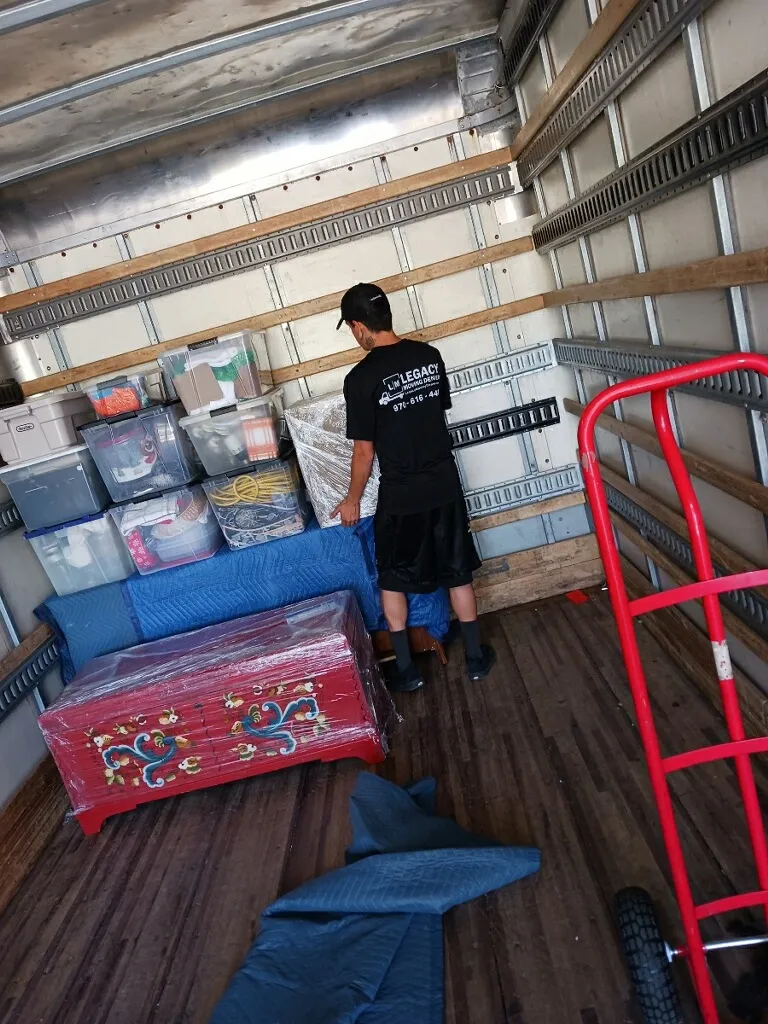
You've decided to downsize. Maybe you're empty nesters moving from a four-bedroom house in Highlands Ranch to a condo in downtown Denver. Maybe you're relocating for work and the new place is just smaller. Or maybe you're tired of maintaining so much space and stuff. Whatever your reason, you're about to face one of the most challenging parts of moving: figuring out what stays and what goes.
I've helped countless people through this process in the Denver area, and I can tell you right now: downsizing is emotional, it's time-consuming, and it's harder than you think it'll be. But it's also incredibly freeing once you get through it. The key is having a system and starting way earlier than you think you need to.
Let me walk you through exactly how to tackle this so you don't end up stressed, overwhelmed, and shoving everything into a storage unit because you ran out of time to make decisions.
Start Earlier Than You Think You Need To
Here's the biggest mistake people make: They wait until they've already found their new place and scheduled movers to start thinking about downsizing. By then, you've got maybe 6-8 weeks, which sounds like a lot but really isn't when you're dealing with years or decades worth of accumulated stuff.
Ideal timeline: Start the downsizing process 3-6 months before your move date. Even if you don't know exactly when you're moving yet, you can start going through things now.
"But I don't have 6 months!" Okay, I get it. Life happens and sometimes moves come up fast. If you've only got a month or two, that's workable, but you need to be way more aggressive with your decisions and probably bring in help.
Figure Out What You're Actually Working With
Before you start making decisions about what to keep, you need to understand your new space constraints.
Measure Everything
Get the floor plan of your new place. Measure rooms, closets, storage spaces. If you're moving to an apartment in Denver or Lakewood, the closets are probably way smaller than what you have now. That three-car garage? You might be looking at one parking spot and a storage locker.
Key measurements to get:
- Bedroom dimensions (will your king bed even fit?)
- Closet sizes and configurations
- Kitchen cabinet and pantry space
- Living area square footage
- Storage unit dimensions if there is one
- Garage or parking situation
- Doorways and hallways (for furniture that needs to fit through)
Create a rough floor plan showing where major furniture pieces will go. This visual exercise is eye-opening. That massive sectional sofa? Probably not going to work in the new place.
Calculate Your Space Reduction
If you're going from 3,000 square feet to 1,200 square feet, you're looking at cutting your belongings by 60%. That's not just a little decluttering—that's a major purge. Understanding this number helps set realistic expectations.
The Downsizing Decision Framework
You can't just randomly grab stuff and decide what to keep. You need a systematic approach or you'll get overwhelmed and quit.
The Four Categories System
Everything you own needs to go into one of four categories:
1. Definitely Keep - Things you use regularly, love deeply, or absolutely need
2. Probably Keep - Things you're not sure about yet
3. Sell/Donate - Good condition items that someone else can use
4. Trash/Recycle - Broken, damaged, or worthless items
Here's the trick: Start by only committing to categories 1 and 4. It's easier to identify what you definitely want and what's definitely trash. Everything else goes into category 2 for now.
Then, as you get closer to moving day and you see how much space you actually have, you revisit category 2 and move things to either "keep" or "sell/donate."
The Questions to Ask About Every Item
For those borderline items in category 2, run through these questions:
- When did I last use this? If it's been over a year (and it's not seasonal), you probably don't need it.
- Will this fit in my new space? Both physically and stylistically.
- Do I have something else that serves the same purpose? You don't need five different ways to open wine bottles.
- Would I buy this again today? If not, why are you keeping it?
- Does this reflect who I am now or who I used to be? It's okay to let go of hobby equipment from hobbies you don't do anymore.
- Am I keeping this out of guilt? Gifts, inherited items, things you "should" like but don't.
- What's the worst that happens if I get rid of this? Usually, not much.
Tackling Different Areas of Your Home
Let's get specific about different types of belongings because each category has its own challenges.
Furniture: The Biggest Space Hogs
Furniture takes up the most room in a moving truck and often won't fit in a smaller space anyway. Start here.
What usually doesn't work in smaller spaces:
- King-sized beds (master bedrooms in apartments are often too small)
- Large sectional sofas
- Dining room sets for 8+ people
- Multiple bedroom sets when you're losing bedrooms
- Bulky entertainment centers (and those old TVs)
- Oversized recliners and accent chairs
What usually does work:
- Queen or full-sized beds
- Smaller-scale sofas or loveseats
- Multipurpose furniture (ottoman with storage, murphy beds, etc.)
- Vertical storage solutions
- Compact dining sets or bistro tables
Pro tip: Measure your furniture before deciding. Don't guess. That couch might look reasonable but actually be 8 feet long.
Clothing and Accessories
If you're going from a house with multiple closets to an apartment with 1-2 small closets, your wardrobe needs serious editing.
The practical approach:
- Try everything on. If it doesn't fit or you don't feel good in it, it goes.
- Get rid of anything you haven't worn in 2 years (except formal wear)
- Let go of "skinny clothes" or "maybe I'll wear this someday" items
- Reduce your shoe collection to what you actually wear
- Donate professional clothes you no longer need (especially if you work from home now)
- Keep one nice outfit for occasions, not ten
Denver's climate is different from many places. If you're moving from somewhere humid, you probably don't need seven winter coats. One good coat and some layers will do you fine here.
Kitchen Items and Dishes
Kitchens in smaller apartments often have dramatically less cabinet and counter space. And be honest: you don't use half of what's in your kitchen.
Keep:
- One set of everyday dishes (8 place settings max)
- Essential pots and pans (1-2 of each size you actually use)
- Appliances you use at least monthly
- Basic utensils and cooking tools
- Your favorite coffee maker
Let go of:
- Duplicate items (you don't need three spatulas)
- Specialty appliances you never use (that bread maker, the fondue set)
- Excess mugs and water bottles (keep your favorites, donate the rest)
- Old mismatched containers and lids
- The "good china" you use once every five years
- Serving pieces for parties you don't throw anymore
Books, Papers, and Sentimental Items
This is where downsizing gets emotional. These items don't just take up space—they carry memories and identity.
For books: Be ruthless. If you haven't read it and probably won't, donate it. Reference books? Almost everything is online now. Coffee table books that just sit there? Keep your top 10 favorites, let the rest go.
For papers: Scan important documents and shred the originals. Most stuff doesn't need to be kept physically anymore. Check IRS guidelines for how long to keep tax documents (usually 3-7 years).
For sentimental items: This is tough. You can't keep everything, but you also don't want to regret getting rid of meaningful things.
Strategy for sentimental items:
- Take photos of things before letting them go (photo albums of objects take up way less space)
- Keep one representative item from a collection instead of the whole thing
- Frame or display truly special items instead of keeping them in boxes
- Pass items along to family members who might appreciate them
- Ask yourself: "If my house was on fire, would I grab this?" If not, maybe it's not that important
Garage, Tools, and Outdoor Equipment
If you're moving from a house with a garage to an apartment with limited storage, this stuff has to go somewhere.
Evaluate your actual lifestyle: Are you really going to use that camping equipment when you live in downtown Denver and don't have a car anymore? Probably not. Someone else could be using it instead of it sitting in a storage unit.
What usually makes sense to keep:
- Basic tool kit (hammer, screwdrivers, tape measure)
- Seasonal items you actually use (skis, bikes)
- Items that fit in apartment storage or closets
What usually doesn't:
- Full workshop equipment when you have no workshop
- Lawn care equipment when you'll have no lawn
- Multiple sets of sports gear for sports you don't play
- Holiday decorations for a 3,000 sq ft house when your new place is 1,000 sq ft
Where Does It All Go? Getting Rid of Stuff Strategically
You've made your decisions about what's not coming with you. Now you need to actually get rid of it, and there are smart ways and stressful ways to do this.
Selling Items for Maximum Value
If you've got valuable furniture, electronics, or other items in good condition, you can recoup some money.
Best platforms for Denver area:
- Facebook Marketplace - Best for furniture and larger items. Local pickup, easy communication
- Craigslist - Still works for furniture, tools, and electronics
- OfferUp - Similar to Facebook Marketplace, some people prefer it
- Nextdoor - Good for neighborhood sales, people can see you're local
- eBay - For collectibles, electronics, and items worth shipping
Tips for selling quickly:
- Price items to sell, not at what you paid for them. If you want it gone, price it 40-60% below retail
- Take good photos in natural light
- Be responsive to messages
- Offer "porch pickup" to make it super easy for buyers
- Bundle items ("Take all this kitchen stuff for $50")
- Start selling 6-8 weeks before your move
Reality check: Most used furniture sells for 20-30% of what you paid for it, if it sells at all. Don't get emotionally attached to getting "fair value." Your goal is getting rid of it, not recouping your investment.
Donating Effectively
For items that won't sell or that you don't want to bother selling, donation is your friend.
Denver area donation options:
- Goodwill - Multiple locations, accepts almost anything
- Arc Thrift Stores - Supports people with disabilities, free pickup for large items
- Habitat for Humanity ReStore - Great for furniture, building materials, appliances
- Veterans of Foreign Wars (VFW) - Free pickup service
- Denver Rescue Mission - Clothing, household items, furniture
- Volunteers of America - Free pickup available
Pro tip: Schedule pickup services early. Many organizations book out 2-3 weeks in advance, especially during busy seasons.
Tax deductions: Keep receipts for donations. You can deduct the fair market value if you itemize your taxes. Take photos of what you donate for your records.
The "Maybe" Box Strategy
For items you really can't decide about, put them in boxes labeled "Maybe" with the date. Store them somewhere out of the way. If you don't open that box in 3-6 months, you don't need what's inside. Donate it unopened.
This works especially well for sentimental items. You get the security of not getting rid of it immediately, but often you'll find you forgot about it entirely, which means you didn't need it.
The Storage Unit Question
"Should I just get a storage unit for the stuff I can't fit in my new place?"
Short answer: Probably not.
Long answer: Storage units make sense for temporary situations (storing furniture while you're between houses) or truly valuable items (family heirlooms, seasonal equipment you actively use). But most people who get storage units are just delaying the downsizing decisions.
Do the math: A 10x10 storage unit in the Denver area runs $150-200/month. Over a year, that's $1,800-2,400. Over five years (the average storage rental length), that's $9,000-12,000. Is the stuff you're storing actually worth that much? Usually no.
When storage makes sense:
- You're downsizing temporarily and will need the items again in 6-12 months
- You have valuable antiques or collectibles with no current space for them
- You're storing things for adult children who will take them within a set timeframe
- Seasonal items you absolutely use (like ski equipment for avid skiers)
When it doesn't:
- You're storing things "just in case"
- You can't even remember everything that's in storage
- You're storing old furniture that doesn't match your new place
- It's stuff you're keeping out of guilt
If you do get a storage unit, set a clear timeline for how long you'll keep it and stick to it. Many people intend to "go through it soon" and then still have the unit five years later.
The Emotional Side of Downsizing
Let's address the elephant in the room: Downsizing is emotional. You're not just getting rid of stuff—you're letting go of memories, identities, and futures you imagined.
Common Emotional Challenges
"But what if I need this someday?"
This is the most common block. Here's the reality: For 99% of items, if you do need them again, you can borrow, rent, or rebuy them for less than the cost of storing them or moving them. And most of the time, you won't actually need them.
"This was expensive / a gift / from someone special"
The money is already spent. The gift was already given. Keeping something you don't use or love doesn't honor it—it just means it sits in a box. It's okay to let things go even if they were expensive or meaningful gifts.
"I raised my kids in this house with these things"
The memories aren't in the objects—they're in your mind and heart. You can take photos, you can keep a few truly special items, but you don't need to keep everything to honor those memories.
"Getting rid of my stuff feels like admitting I'm getting old/giving up"
Downsizing doesn't mean your life is shrinking—it means you're adapting to a new phase. Many people find that having less stuff and less space to maintain actually gives them more freedom and time for what they enjoy.
Strategies for Emotional Downsizing
- Invite help from friends - Someone not emotionally attached can help you see clearly
- Take breaks - Don't try to do it all in one day. That leads to burnout and bad decisions
- Focus on what you're gaining - Less to clean, lower costs, easier to maintain, less stress
- Honor items before letting them go - Thank them for their service, take photos, write down memories
- Pass things to people who will appreciate them - It's easier to let go when you know something will be used and loved
- Remember: You're curating, not losing - You're keeping the best and most meaningful things
The Final Month Before Your Move
You've been downsizing for weeks or months. Now you're in the home stretch.
The Final Purge
About 3-4 weeks before moving day, do one more pass through everything. You'll likely find more stuff you can let go of now that you have a clearer picture of your new space and what you're keeping.
Schedule this:
- 4 weeks out: Final review of all items
- 3 weeks out: Last chance to sell items
- 2 weeks out: Schedule donation pickups
- 1 week out: Final load to donation centers, trash/recycle everything else
Working With Professional Movers
When you get quotes from moving companies, tell them you've downsized. Professional movers will appreciate knowing they're not dealing with an entire house worth of stuff. It helps them give you more accurate estimates and might save you money if you need a smaller truck.
Consider whether you need full-service packing or if you can handle that yourself. With less stuff, packing becomes way more manageable.
Living in Your Smaller Space Successfully
Okay, you've moved into your new, smaller place. Now what?
Unpacking Strategically
Don't unpack everything at once. Start with essentials, then add things as you need them. If you've unpacked 80% and lived fine for a few weeks, you probably don't need whatever's still in those boxes.
Staying Downsized
The real challenge is not accumulating more stuff now that you've cleared things out.
New rules for your new space:
- One in, one out - Buy something new? Something old has to go
- Wait 24 hours before purchasing - Impulse control saves space and money
- Digitize when possible - Photos, documents, music, movies
- Borrow instead of buy - Especially for things you use rarely
- Regular purges - Go through a closet or drawer every few months
Final Thoughts: It Gets Easier
Downsizing is hard work, both physically and emotionally. But here's what people always tell me after they've done it: They wished they'd done it sooner. Almost everyone says they feel lighter, less stressed, and surprised by how little they actually miss the stuff they got rid of.
You're not losing anything important. You're gaining freedom from maintaining, cleaning, organizing, and worrying about all that stuff. You're making space for the life you actually want to live now, not the life you used to live or thought you'd live.
Whether you're moving from Highlands Ranch to downtown Denver, from Aurora to Littleton, or anywhere else in the metro area, you can do this. Just start early, be honest with yourself, and remember that having less stuff usually means having more life.
Need Help With Your Downsizing Move?
We specialize in helping people transition to smaller spaces in the Denver area. Whether you need help with packing, moving, or temporary storage, we've got you covered. Get a free quote today.
Call (720) 340-1849