
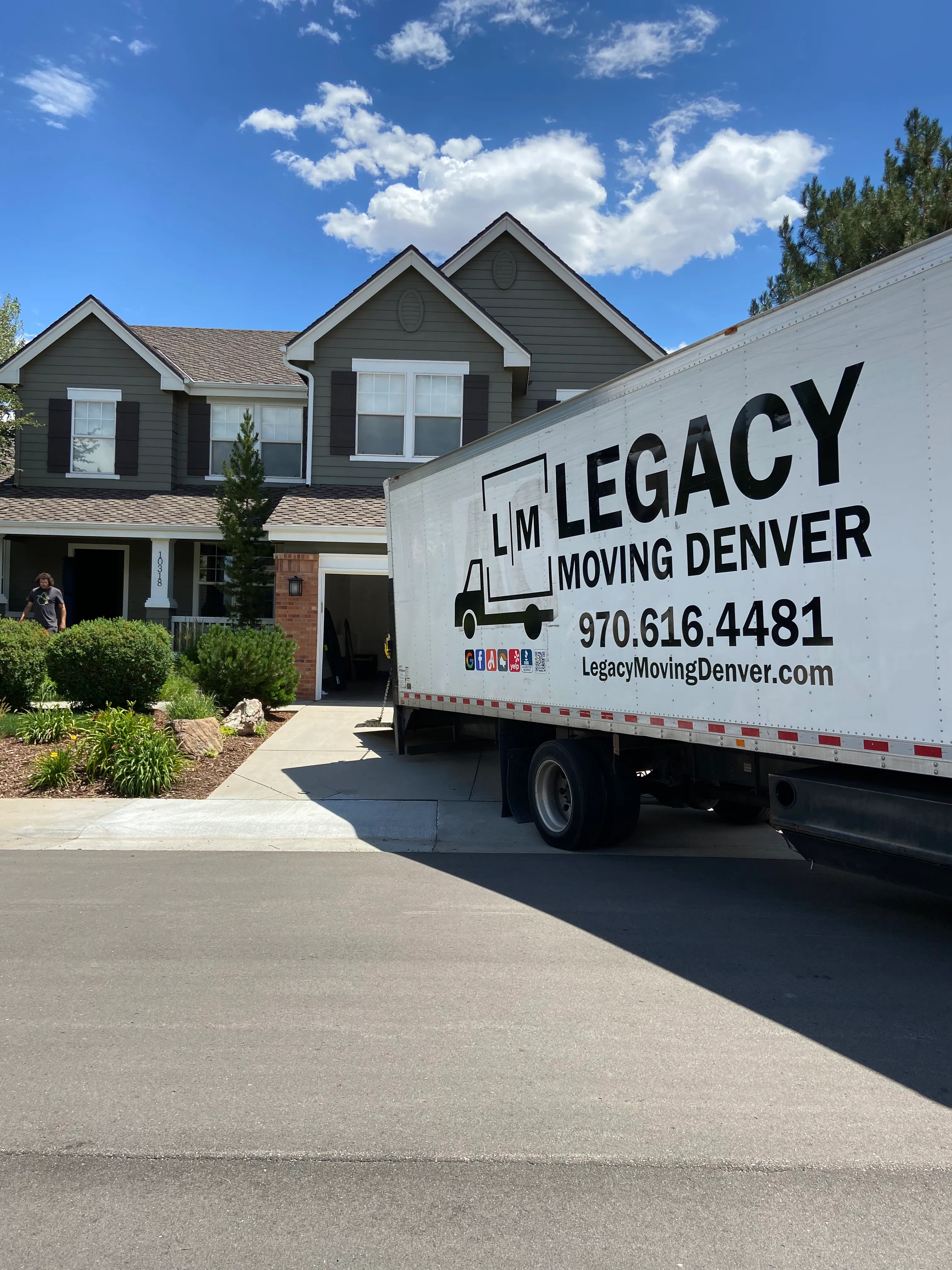
There's a version of buying your first home in Denver where closing day is champagne and celebration, and the move is just a matter of getting boxes from point A to point B. And then there's reality. The closing timeline shifts at the last minute, the appliances aren't what you expected, and move day itself is significantly more complicated and physically demanding than you anticipated. First-time homeowners are surprised by the move more often than they expect, mostly because no one takes the time to walk through it with them.
This guide does that. It's not about the home-buying process itself — there's plenty of information on that. It's about the move: what to plan for, what tends to go wrong, and what knowing in advance will save you time, money, and stress.
The Timeline Is Almost Never As Clean As You Think
First-time buyers frequently assume that once you have a closing date, you have a move date. In practice, real estate closings slip. Lenders need last-minute documents, sellers need an extra day, title issues come up. In Denver's active market, buyers sometimes get possession the day they expected but often there's a small gap or delay they weren't counting on.
The practical lesson: don't schedule your movers for the same day as closing, at least not in the morning. Schedule them for the afternoon at the earliest, ideally the day after. Give yourself a cushion between signing paperwork and having a moving crew show up at your new door. Keys sometimes get handed over later in the day than expected, and you don't want to be paying an hourly crew to wait in a parking lot.
If your schedule is tight and you need to be out of your rental by a specific date, short-term storage is your safety valve. Moving into storage temporarily while you confirm possession of the new home is more common than most first-timers realize, and it removes the pressure of everything having to line up perfectly.
You're Moving More Than You Realized
Most people going from an apartment to a house genuinely underestimate how much they've accumulated. When everything is spread across your apartment, garage storage unit, and maybe a friend's basement, you have a somewhat inaccurate picture of the total. When it all has to be consolidated and moved at once, first-time buyers are often surprised by how large the job actually is.
Get a realistic inventory before you book a crew. Walk through every room, every closet, every storage area. List the large furniture pieces, the appliances you're moving, and anything that requires special handling — things like a TV mounted on the wall, gym equipment in the second bedroom, or a wine rack in the kitchen. Give that list to your moving company when you request a quote. The estimate you get will be more accurate, and you won't be surprised by the time or crew size required.
Your New Home Might Not Be Ready for Everything
When you bought the house, it was probably empty or partially staged. Move-in day is the first time you're seeing it as your home with all your belongings in it, and a few realities become apparent:
- Closets that looked fine empty are smaller than you remembered — bring your wardrobe in full and suddenly there's not enough rod space, or the shelving isn't where you need it
- The garage might not accommodate everything you planned to store there — older Denver homes often have narrower garages than what you'd expect from a modern house
- Kitchen cabinet and drawer space varies wildly — a kitchen that seemed reasonably sized with empty cabinets can feel inadequate once your dishes, pots, and pantry items are actually in it
- Outdoor furniture, lawn equipment, and bikes need a home — if the house doesn't have storage space for these, you'll need to figure out a plan on or before move day
None of this is catastrophic, but it's worth doing a rough mental layout of where your major belongings will go before the movers arrive. Having to redirect furniture three times on move day because you didn't think through where it was actually going is a time and energy drain.
Get Utilities Set Up Before Move Day — Not After
This one sounds obvious, but it doesn't always happen. First-time homeowners are often dealing with so many things in the weeks before the move that utilities get delayed or forgotten. Moving into a house with no electricity set up means no overhead lights, which means movers working in partially lit spaces and you unpacking in the dark. No internet on day one is an inconvenience. No water is a problem.
Schedule all utilities to begin the day before your move date:
- Electricity (Xcel Energy serves most of the Denver metro)
- Gas if applicable
- Water and sewer (usually transferred automatically when you become the owner, but worth confirming with the city — Denver Water, Aurora Water, etc.)
- Internet — set up an appointment well in advance; installation windows book out
- Trash and recycling pickup — confirm pickup schedule and whether you need to register with the city or HOA
Know Your Building's Move-In Rules If You're in an HOA
Many of Denver's newer communities and most condo buildings have HOA rules that directly affect your move. These can include:
- Required notice before a move (sometimes 72 hours or more)
- Reserved move-in times (often weekday daytime hours only, no weekends)
- Elevator reservations for condo buildings — you may need to reserve a service elevator in advance, and the reservation window may be limited
- Move-in fees or refundable deposits
- Parking restrictions that affect where the moving truck can park
- Protection requirements for common areas (floor padding, wall protection in hallways and elevators)
If you don't look into this before move day, you risk showing up with a crew and a truck only to find that the HOA's rules create significant delays. Pull out your HOA documentation — or contact the HOA management company directly — in the week before your move to understand what's required.
You'll Probably Want Help With the Physical Part
First-time homeowners who try to DIY the entire move — renting a truck, recruiting friends, handling everything themselves — often find that the experience is exhausting in ways they didn't anticipate. The combination of the emotional weight of closing on a home, the logistics of coordinating the move, and the physical demands of loading and unloading furniture is a lot for one day.
This isn't an argument against doing any of it yourself — plenty of people pack their own boxes and save that cost — but it is an argument for having professional movers handle the physical labor. A crew that does this every day is dramatically faster and more efficient than a group of friends doing it once. Your furniture is less likely to be damaged, your walls and floors are less likely to get dinged, and you arrive at your new home with energy left to actually enjoy being there.
For first-time buyers moving within the Denver metro — whether it's into Denver proper, out to Englewood, or to a neighborhood in Aurora — local moving services cover the full scope of what a residential move involves.
Budget Beyond the Move Itself
Moving costs are one line item in a larger budget that catches first-time buyers off guard. The expenses that follow the move are often not budgeted for:
- Immediate home items — window coverings, light fixtures, cabinet hardware, doorbell — things that were in the listing photos or taken by the sellers
- Locks — changing the exterior locks on a new home is a basic security step that's easy to forget
- Cleaning supplies and equipment — the house was probably cleaned for closing, but you'll need supplies for ongoing maintenance
- Minor repairs — things you noticed during the inspection that you planned to deal with post-move
- Furniture for rooms the apartment didn't have — a second bedroom, a formal dining room, a home office
None of this is enormous on its own, but it adds up quickly in the first month. Knowing it's coming makes it less shocking when it does.
Packing Is the Thing Most People Start Too Late
First-time buyers spend so much energy on the transaction itself — inspections, negotiations, financing — that packing often gets pushed to the last possible moment. Starting the week before the move is late. Starting two to three weeks before is reasonable. Starting a month before is comfortable.
The approach that works: start with the things you use the least — out-of-season clothing, decorative items, books, storage-area contents — and work forward toward the things you need daily. Leave the kitchen, the home office, and everyday essentials for the final few days. If you're genuinely overwhelmed, packing services exist specifically for this situation — a professional crew can pack a whole home in a single day.
Don't Skip the Walk-Through on Move-In Day
Before the first box comes off the truck, do a walk-through of the new home. You're looking for:
- Any damage that wasn't there at the final walkthrough
- Items the seller was supposed to leave that are missing
- Items the seller was supposed to take that are still there
- Anything that needs attention before the movers work in that area
This takes fifteen minutes and documents your home's condition at the moment of possession. If something comes up later, you have a reference point.
You Can Ask More Questions Than You Think You Can
First-time buyers sometimes approach the moving process with hesitation because they don't know what's normal to ask about. The answer is: you can ask about anything. What's included in the quote, how the crew handles stairs, what happens if the move takes longer than estimated, what the liability policy is for damaged items, whether there are discounts available — all of it is fair game.
A reputable moving company will answer these questions clearly before you book. The FAQ page covers a lot of the common ones, and the discounts page outlines what programs might apply to your situation. If you're a veteran or active military, that's worth asking about specifically — there are military discounts that many people don't know to ask for.
The Move Is One Day. The Home Is For Years.
Move day feels enormous when you're in it, but it's a few hours in the context of years of living in your new home. The details that feel critical on the day — which box goes in which room, whether the couch fits where you planned — matter a lot less than the fact that you're closing a chapter and starting a new one.
Plan the logistics carefully, give yourself buffer time, hire help for the physical work, and have reasonable expectations for how long it all takes. Then enjoy the fact that when the truck leaves, the place is yours.
If you're a first-time buyer planning a move in Denver or the surrounding suburbs, getting a quote early is the starting point. It's also the best way to ask all the questions you have in one conversation.