
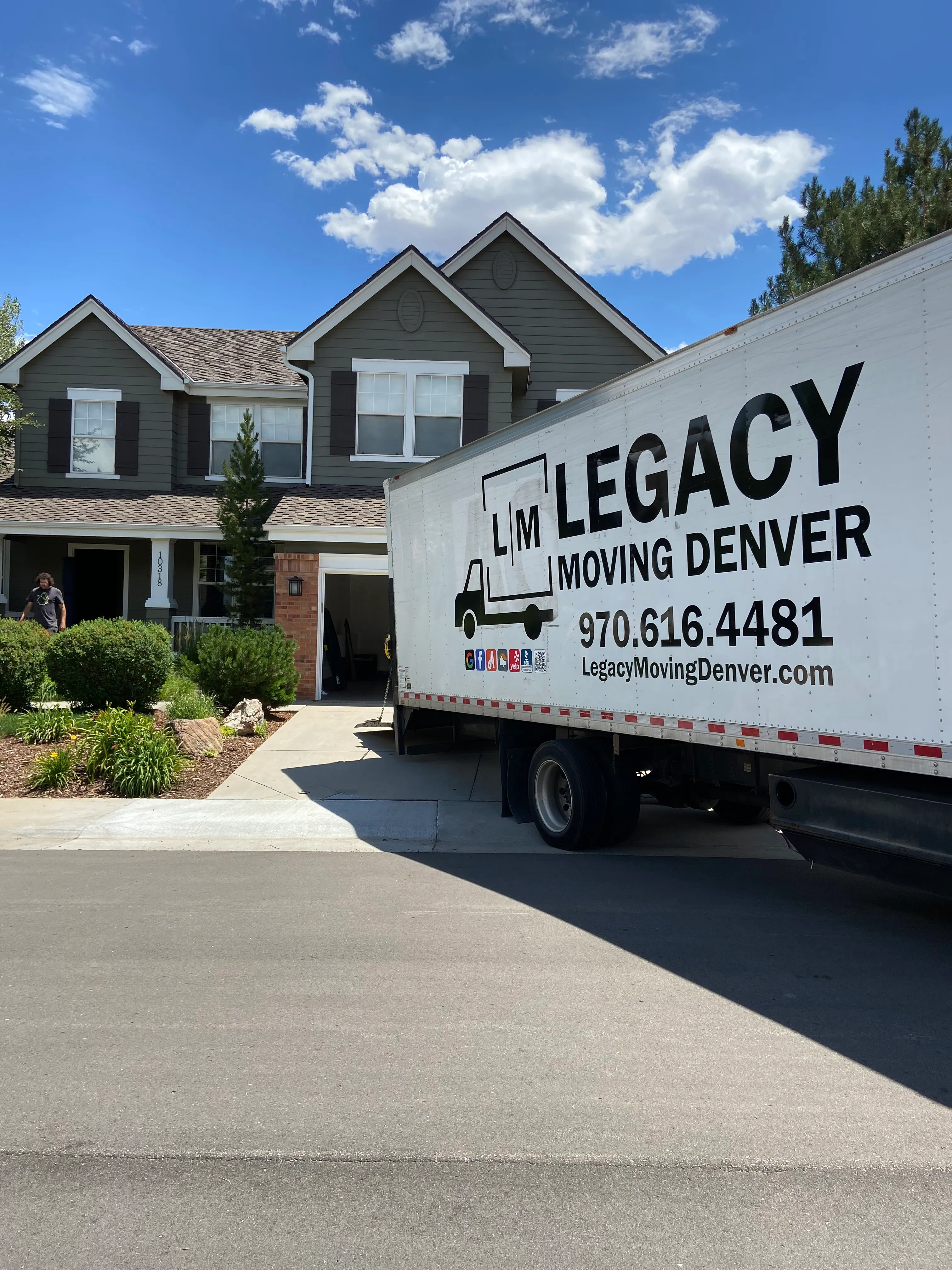
Denver is a beautiful, vibrant city with diverse neighborhoods ranging from urban historic districts to suburban planned communities. But if you're planning a move, you should know that not all Denver neighborhoods are created equal when it comes to moving logistics. Some neighborhoods present significant challenges—narrow streets that barely accommodate moving trucks, parking so limited you might circle for 20 minutes looking for a spot, buildings with Byzantine regulations, and access restrictions that can turn a straightforward move into a logistical nightmare.
After coordinating hundreds of moves throughout the Denver metro area over the past years, I've seen which neighborhoods present the biggest challenges and, more importantly, learned strategies that work for successfully navigating these difficult moves. This guide identifies Denver's most challenging neighborhoods for moving and provides specific, actionable strategies for each. Whether you're moving into one of these neighborhoods or are a moving professional preparing for a challenging job, this information will help you avoid common problems and execute successful moves in Denver's trickiest locations.
Understanding Why Some Denver Neighborhoods Are Challenging
Before diving into specific neighborhoods, it's helpful to understand what makes any neighborhood difficult for moving.
Street width and design play a huge role. Many of Denver's historic neighborhoods were designed in the early 1900s when vehicles were smaller and less common. Streets that comfortably accommodated Model T Fords struggle with modern moving trucks. Some streets are barely wide enough for two cars to pass, let alone a 26-foot moving truck and regular traffic.
Parking availability and regulations create major challenges. Urban neighborhoods often have street parking only—no driveways, no parking lots, just curbside spots. When residents already occupy most spots, finding space for a moving truck becomes nearly impossible. Add in parking meters, restricted zones, permit requirements, and time limits, and parking becomes a complex puzzle.
Building and HOA restrictions vary wildly but can be extensive. Some buildings require advanced reservations weeks ahead. Others charge substantial deposits. Many restrict moving to specific days and times. Luxury buildings often have complex procedures involving loading docks, service elevators, and move-in coordinators. Not following these rules can result in fines, move cancellations, or being banned from the building.
Hills and elevation changes affect Denver's geography significantly. While Denver sits on relatively flat plains, neighborhoods built on slopes or near foothills feature steep streets that challenge loaded moving trucks. Some driveways are so steep that trucks cannot safely navigate them.
Narrow hallways, doorways, and stairwells in older buildings create access challenges. Furniture that fits easily through modern suburban home doorways might not fit through a 1920s apartment building entry. Narrow stairwells in buildings without elevators require disassembling furniture or even hoisting large items through windows.
Tree-lined streets are beautiful but problematic for moving. Low-hanging branches can obstruct tall trucks. Mature tree roots can heave sidewalks and create uneven surfaces that make wheeling dollies difficult or dangerous.
Neighborhood culture and parking competition matter more than you might expect. Some neighborhoods have aggressive parking cultures where residents jealously guard "their" spots. Others have frequent events that eliminate parking. College-area neighborhoods have different rhythms than family neighborhoods. Understanding neighborhood culture helps you plan appropriately.
Now let's examine Denver's most challenging neighborhoods for moving, why they're difficult, and how to successfully navigate each one.
Capitol Hill: Historic Charm, Modern Moving Headaches
Capitol Hill ranks as one of Denver's most challenging neighborhoods for moving, despite—or perhaps because of—its popularity and historic character.
Why Capitol Hill is challenging: The neighborhood features almost exclusively street parking with no alleys in many blocks, narrow streets lined with parked cars on both sides, historic apartment buildings with small elevators or no elevators, buildings often lack loading zones, parking meters on most major streets, limited overnight parking in many areas, narrow hallways and doorways in older buildings, and unpredictable parking competition from residents, visitors, and nearby Capitol activity.
Capitol Hill's housing density is among Denver's highest. Finding a parking spot on a typical evening can take 10-20 minutes. Finding space for a moving truck is exponentially harder. The neighborhood's mix of apartments, condos, and converted mansions means building regulations vary wildly. You might be moving into a building with strict regulations you don't learn about until it's too late.
Strategies for Capitol Hill moves: Reserve parking permits through Denver's Parking Management office at least 48-72 hours ahead—Capitol Hill permits can be competitive. Request "No Parking" signs for the day of your move if possible. Schedule moves for weekday mornings (7-10 AM) before street parking fills. Consider smaller moving trucks (16-20 feet instead of 26 feet) that maneuver more easily. Communicate extensively with building management about move procedures, elevator reservations, and access. Plan for longer move times—loading and unloading take longer when you're far from the truck. Use moving dollies and carts aggressively to minimize trips. Have a crew member stay with the truck to manage parking enforcement and traffic.
Specific Capitol Hill challenges by area: Cheesman Park area has particularly narrow streets and aggressive parking enforcement. East Capitol Hill (near Colorado Blvd) has somewhat better access but still faces parking challenges. West Capitol Hill (near Speer) has slightly wider streets but higher building density.
For moves into historic mansions converted to apartments, expect narrow staircases, tight corners, and no elevators. Large furniture often needs disassembly or simply won't fit. Professional movers experienced with Capitol Hill's challenges understand these limitations and come prepared.
LoDo and Downtown Denver: Urban Complexity at Its Peak
Downtown Denver and the Lower Downtown (LoDo) district present unique challenges that differ from residential neighborhood issues.
Why downtown/LoDo is challenging: Most buildings have strict loading dock procedures and advance reservation requirements, street parking is metered with 2-hour limits (inadequate for moves), loading zones exist but have time restrictions and competition from delivery trucks, high-rise buildings require service elevator reservations often weeks ahead, security protocols can be extensive, traffic congestion especially during business hours, one-way streets complicate navigation, parking violations are enforced aggressively with immediate towing, and construction frequently blocks streets and creates detours.
Downtown Denver is a functioning business district. Your move competes with business deliveries, construction projects, events at nearby venues, and general urban congestion. The 16th Street Mall, Union Station, sports venues, and convention center all generate traffic that can impact your move.
Strategies for downtown/LoDo moves: Start planning 30-60 days ahead—seriously. Downtown buildings often have longer reservation requirements. Contact building management immediately after signing your lease to understand all requirements. Get all requirements in writing and ensure your moving company has proper insurance certificates. Schedule moves for weekends if building allows—weekday downtown moves battle business district traffic. If weekday moves are required, aim for very early morning before rush hour. Reserve loading dock or building access as early as possible. Confirm with building management 48 hours before your move. Plan for your movers to pay for metered parking—factor this into your budget. Have someone available to move the truck if parking enforcement requires it. Use professional movers with downtown experience who understand building protocols.
Building-specific considerations: Luxury high-rises often charge move-in deposits ($500-1000), require advance proof of insurance, restrict moving to specific days and times, require professional movers (no DIY moves), and have detailed rules about floor protection and common area usage. Get your moving company's certificate of insurance to building management well ahead.
Union Station area buildings often have underground parking that requires specific access procedures. LoDo lofts in converted warehouses might have freight elevators with quirky operations. New construction buildings in downtown often have more streamlined procedures but still require advance planning.
Parking alternatives for downtown moves: Some buildings have loading areas that can be reserved for specific time blocks. If no loading area exists, your moving company might need to coordinate with parking enforcement to temporarily block spaces—this requires permits and fees. Parking garages near your building might accommodate a truck for short periods, though height restrictions often prevent this. In worst-case scenarios, movers park further away and shuttle items using carts and dollies—this significantly increases move time and cost.
Highlands and LoHi: Hills, Narrow Streets, and Parking Wars
The Highlands and Lower Highlands (LoHi) neighborhoods are among Denver's trendiest areas but present significant moving challenges.
Why Highlands/LoHi is challenging: Many streets are very narrow, especially in Highland proper, street parking only in most areas with no driveways or alleys, parking competition is fierce—residents guard "their" spaces jealously, hills and elevation changes create challenges for loaded trucks, tree-lined streets with low branches can obstruct trucks, alleys (where they exist) are often barely wide enough for trucks, popular restaurants and nightlife create parking challenges even during daytime, newer LoHi developments sometimes have better parking but strict building rules, and pedestrian and bicycle traffic can be heavy, especially on weekends.
The Highlands neighborhood features beautiful Victorian homes on relatively narrow lots. The street grid dates to the early 1900s when cars were rare. LoHi, the more recently developed area near 15th Street and Platte River, has newer buildings but shares the parking challenges due to neighborhood popularity.
Strategies for Highlands/LoHi moves: Reserve parking permits through the city well ahead—competition for permits is high in these neighborhoods. Schedule moves for very early mornings (6-8 AM) before street parking fills. Weekday moves are better than weekends in LoHi due to restaurant and nightlife traffic. Consider smaller trucks for Highland proper—26-foot trucks often struggle. Have backup parking plans because your primary spot might not work. Communicate with immediate neighbors about your move—they might temporarily relocate vehicles to help. Plan for steep hill navigation if moving on slopes. Ensure your moving company has experience with hilly urban Denver moves. For LoHi apartment/condo buildings, confirm all building procedures early.
Specific challenges by area: West Highlands (west of Federal) generally has slightly wider streets and fewer parking challenges. Highland proper (between Speer and 38th) has the narrowest streets and most difficult parking. LoHi (near Platte Street) has better street width but intense parking competition due to nightlife and restaurants. Berkeley (northwest Highlands) is more residential with somewhat easier access but still challenging.
Seasonal considerations: Summer weekends in LoHi are particularly challenging due to restaurants, bars, and general neighborhood popularity. Highland Square (32nd and Lowell area) has events that can impact parking availability. Plan around neighborhood events if possible.
Washington Park (Wash Park): Deceptively Challenging
Washington Park neighborhood surprises many people with moving challenges because it appears to be a straightforward residential area.
Why Wash Park is challenging: While homes are larger than urban neighborhoods, many have very long setbacks from streets, narrow driveways that don't accommodate moving trucks, street parking only for movers despite homes having garages, mature trees can obstruct truck movement and low branches threaten trucks, parking is competitive even in this more suburban neighborhood, alleys exist but are often narrow and poorly maintained, some homes have long distances from street to entrance (100+ feet), and neighborhood parking enforcement can be strict.
Wash Park's challenge isn't urban density—it's the combination of large homes on relatively small lots with limited truck access. The neighborhood was designed for a more genteel era. Modern moving logistics don't always fit well with the neighborhood's historic layout.
Strategies for Wash Park moves: Drive the route beforehand to identify where trucks can realistically park. Plan for potentially long carries from street to house entrance. Use moving carts and dollies extensively. Check for low-hanging tree branches that might damage trucks or require different parking locations. Confirm alley access if relevant—some Wash Park alleys work well, others are impassable for large trucks. Reserve street parking if possible through city permits. Inform immediate neighbors of your move—they might temporarily move vehicles. Schedule mid-week when parking competition is lower. Consider the distance from parking to entrance when estimating move time.
House-specific considerations: Wash Park includes many historic homes with narrow doorways, steep stairs, and other access challenges typical of early 1900s construction. Modern furniture might not fit through historic doorways. Basement apartments often have separate outside entrances with steep stairs—warn movers about this ahead.
Neighborhood courtesy: Wash Park has an active neighborhood culture. Blocking streets or driveways without notice creates neighborhood tensions. Communicate with neighbors, respect parking, and clean up thoroughly after your move.
Baker Neighborhood and Santa Fe Arts District: Narrow Streets, Vibrant Culture
Baker and the adjacent Santa Fe Arts District present unique challenges combining historic street layouts with active urban culture.
Why Baker/Santa Fe is challenging: Narrow residential streets in Baker make truck access difficult, street parking only in most areas, proximity to Santa Fe Drive creates traffic complications, parking competition from Santa Fe gallery district visitors, historic homes often have narrow doorways and steep basement stairs, some blocks have very short blocks that make turning difficult for trucks, alleys are narrow where they exist, and First Friday art walks create parking nightmares once per month.
Baker is one of Denver's most walkable neighborhoods with a strong sense of community, but those same characteristics—density, historic homes, active street life—create moving challenges. The Santa Fe Arts District adds retail traffic that competes for parking.
Strategies for Baker/Santa Fe moves: Never schedule moves during First Friday (first Friday of each month)—parking is impossible. Schedule moves for weekday mornings before Santa Fe retail traffic begins. Request parking permits for your block. Measure doorways carefully before moving day—many Baker homes have narrow entries. Plan for steep basement stairs if moving basement items. Use smaller trucks for narrow Baker streets. Communicate with neighbors who might need to temporarily relocate vehicles. For moves on Santa Fe Drive itself, avoid Friday-Sunday and expect challenging parking.
Specific considerations: South Broadway corridor (northern edge of Baker) has somewhat easier access with wider streets. Residential blocks east and west of Broadway are narrower. Santa Fe Drive buildings often have rear alley access—confirm whether this is viable.
Cherry Creek: Luxury Living, Complex Logistics
Cherry Creek neighborhood combines luxury homes and high-end condos with some of Denver's most complex moving logistics.
Why Cherry Creek is challenging: High-rise luxury buildings have extensive move regulations, move-in deposits of $500-1000 are common, strict scheduling with limited move-in windows, valet-only parking at some buildings requires creative logistics, underground parking with height restrictions, service elevator reservations often book weeks ahead, certificate of insurance requirements, floor protection requirements are extensive, luxury home neighborhoods have active HOAs with strict rules, and parking in Cherry Creek shopping district is complicated by retail traffic.
Cherry Creek caters to Denver's luxury market, and moving logistics reflect that demographic. Buildings protect their interiors extensively and have rules to match. HOAs in single-family home areas want moves to be invisible—no disruption to the neighborhood aesthetic.
Strategies for Cherry Creek moves: Start planning 60 days ahead for high-rise buildings—they often have long reservation requirements. Contact building management immediately after leasing/buying to understand all requirements. Ensure your moving company can provide required certificates of insurance. Pay move-in deposits promptly to secure reservations. Follow all building rules precisely—violations can result in deposit forfeit and fines. Schedule moves during permitted windows (often weekday mornings only). Plan for extensive floor protection requirements. For single-family homes, follow HOA moving regulations carefully. Park moving trucks according to HOA rules (usually not visible from main streets). Complete moves within allowed timeframes.
Building-specific challenges: Cherry Creek Tower, 1st Avenue buildings, and other luxury high-rises each have specific procedures. Request detailed written move-in procedures from management. Some buildings provide moving coordinators who supervise the entire process. Others expect movers to know and follow rules independently. Clarify this ahead.
Shopping district considerations: If your building is near Cherry Creek Shopping Center, expect parking challenges during holidays and weekends. Weekday morning moves avoid retail traffic.
Additional Challenging Denver Neighborhoods
Several other Denver neighborhoods present noteworthy moving challenges:
Five Points: Historic neighborhood with narrow streets, parking challenges, and ongoing gentrification creating building regulation variability.
Uptown: Dense urban neighborhood with parking challenges similar to Capitol Hill but slightly wider streets. High-rise buildings have typical high-rise complications.
Sloan's Lake: Northwest Denver neighborhood with challenging parking around the lake area, especially weekends. Narrow residential streets in some sections.
Congress Park: Similar challenges to Wash Park—residential neighborhood with narrow driveways, mature trees, and long carries from street to homes.
Berkeley: Northwest Denver neighborhood with hills, narrow streets, and limited parking. Better than Highland proper but still challenging.
University neighborhoods (DU, CU Denver): Parking competition from students, narrow streets near campuses, frequent turnover creating year-round moving activity, and building restrictions in student-heavy complexes.
Universal Strategies for Difficult Denver Neighborhood Moves
Regardless of which challenging neighborhood you're moving to or from, certain strategies improve your chances of success.
Plan ahead extensively. Challenging neighborhoods don't tolerate last-minute planning. Start organizing 30-60 days before your move. Research parking options, building rules, street width, and other factors specific to your location.
Hire experienced local movers. This cannot be overstated. Moving companies that regularly work in difficult Denver neighborhoods know the tricks and shortcuts that make challenging moves successful. They know which streets accommodate 26-foot trucks and which require smaller vehicles. They understand building procedures throughout the city. They have relationships with building management at major complexes. This experience is invaluable.
When researching movers, specifically ask about their experience with your neighborhood. Companies specializing in residential moving services throughout Denver should be able to demonstrate familiarity with neighborhood-specific challenges.
Get parking permits. Denver's Parking Management office issues temporary parking permits for moving trucks. These permits reserve specific spaces for specific times. Apply at least 48-72 hours ahead (longer for competitive neighborhoods). Permits cost money but are worth every penny in challenging neighborhoods.
Schedule strategically. Time of day and day of week dramatically affect difficulty. Weekday mornings (7 AM - 11 AM) generally work best for most urban neighborhoods. You avoid rush hour traffic, parking competition is lower before residents leave for work, building elevators are less busy, and you complete most work before afternoon challenges arise.
Weekend moves face more parking competition in residential neighborhoods and more traffic in entertainment districts. End-of-month moves compete with other people moving when leases turn over.
Consider smaller trucks. Many Denver moving companies offer multiple truck sizes. A 16-foot or 20-foot truck navigates narrow streets much more easily than a 26-foot truck. Yes, smaller trucks might require more trips for large moves. But the time saved in parking, maneuvering, and access often outweighs the trip time.
Communicate extensively. Talk to building management multiple times before your move. Confirm elevator reservations 48 hours ahead. Talk to neighbors about temporarily relocating vehicles if needed. Coordinate with your moving company about challenges they'll face. Over-communication prevents surprises.
Protect everything. Narrow hallways and doorways increase the risk of wall and floor damage. Use extensive floor protection. Pad walls and door frames. Yes, this takes extra time, but it prevents damage that could cost hundreds or thousands in repairs.
Budget extra time. Challenging neighborhood moves take longer than suburban moves with direct driveway access. If your mover quotes 4-6 hours for a typical move, assume 6-8 hours for a challenging neighborhood move. The extra time isn't waste—it's the reality of navigating difficult logistics.
Have contingency plans. What if your reserved parking spot isn't available? What if the elevator breaks? What if weather is worse than expected? What if traffic delays your movers? Having backup plans reduces stress when problems occur.
Stay flexible and patient. Challenging moves require flexibility. Things won't go perfectly. Your movers might need to park further away than planned. Loading might take longer. Problems will arise. Maintaining patience and flexibility makes the process much less stressful.
Special Considerations for High-Rise Buildings Across Denver
High-rise buildings exist throughout Denver—downtown, Cherry Creek, Capitol Hill, and elsewhere. While each building has unique rules, some challenges are universal.
Reserve elevators early: Many buildings book move elevator reservations weeks ahead during busy season. Reserve as soon as you have your move date.
Understand insurance requirements: Most buildings require movers to carry specific insurance coverage and provide proof ahead of time.
Know the move-in window: Buildings often restrict moves to specific days and times (weekdays 8 AM - 5 PM, for example). Weekend or evening moves might not be allowed.
Prepare for deposits: Move-in deposits of $500-1000 are common, refundable if no damage occurs.
Follow floor protection rules: Buildings specify exactly what floor protection is required. Your movers should know this, but confirm independently.
Check loading dock procedures: If the building has loading docks, understand access procedures, any restrictions, and whether reservations are needed separately from elevator reservations.
Plan for security: Many buildings require check-in with security, access badges for movers, and supervision during moves. Factor this time into your schedule.
Communicate with building management: Call management several times in the weeks before your move to confirm all details. Get a contact number for moving day in case problems arise.
When to Postpone or Reschedule
Sometimes, despite best planning, conditions make moving inadvisable. Recognizing when to postpone prevents disasters.
Consider rescheduling if: Severe weather threatens (especially relevant for Denver's unpredictable weather), you haven't secured required building reservations or permits, major local events will create traffic/parking nightmares, your movers aren't experienced with your challenging neighborhood, or you're not prepared for the specific challenges you'll face.
Most moving companies work with customers on rescheduling if done with reasonable notice. The cost and hassle of rescheduling is far less than the cost of a disastrous move.
Final Thoughts: Success Is Possible
Moving into Denver's challenging neighborhoods isn't easy, but it's absolutely achievable with proper planning and the right help. Thousands of moves happen successfully in Capitol Hill, LoDo, the Highlands, and other difficult neighborhoods every year. The key is understanding the specific challenges, planning accordingly, and working with experienced professionals who know how to navigate these areas.
Denver's a wonderful city, and its diverse neighborhoods each offer unique advantages. Capitol Hill's walkability and culture, downtown's urban excitement, the Highlands' trendy vibe, Wash Park's family-friendly atmosphere—these neighborhoods attract residents precisely because of their character. That same character creates moving challenges, but proper planning overcomes them.
Whether you're moving yourself or hiring professionals, taking the time to understand neighborhood-specific challenges and plan appropriately makes the difference between a stressful nightmare and a successful move. Start planning early, ask lots of questions, hire experienced local movers who know Denver's neighborhoods, secure proper permits and reservations, and maintain flexibility when problems arise.
Your move into one of Denver's challenging neighborhoods is the beginning of your life in that community. With the right preparation and approach, you can navigate the moving logistics successfully and start enjoying everything your new neighborhood offers.
Helpful Resources & Services
Our Services
Areas We Serve
Ready to Get Started?
Get a free, no-obligation quote from Denver's most trusted moving professionals. We're here to make your move stress-free!
Available Monday-Saturday, 8:00am - 6:00pm • Contact Us