
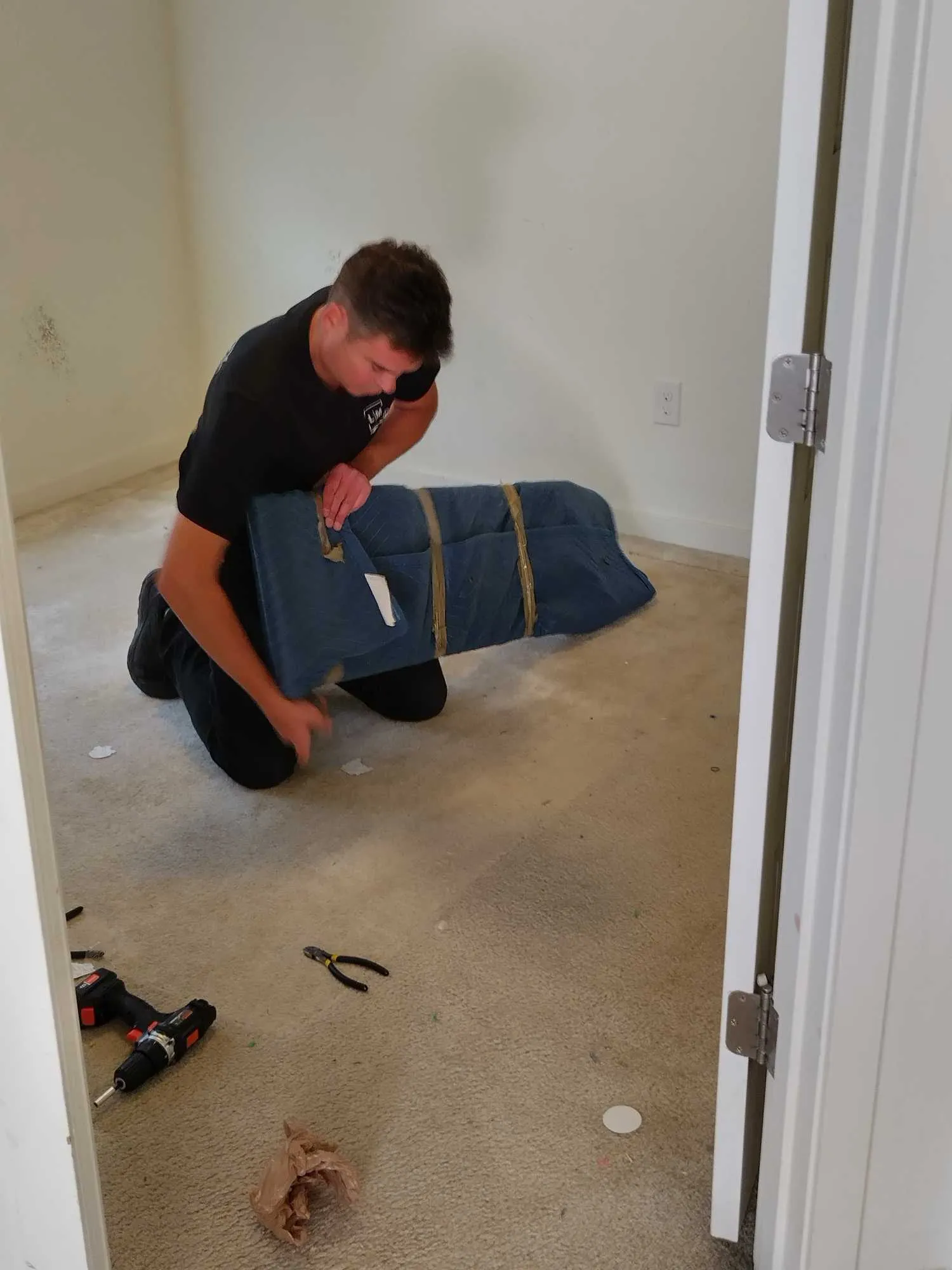
Renting an apartment in Denver is one thing. Moving out of one — or into one — is a whole different experience. Unlike a house move where you pull the truck up to the driveway and start hauling, apartment moves involve a maze of building rules, reserved elevators, parking logistics, and time windows that can make even a simple one-bedroom feel like a military operation.
Whether you're relocating within the same building, moving across the city, or leaving Denver for somewhere new, this guide covers what renters actually need to know before, during, and after the move. Not the generic advice you've already read — the specific stuff that trips people up.
Start With Your Lease and Building Rules — Before Anything Else
Before you book movers, before you buy boxes, before you do anything — read your lease. This sounds obvious, but most renters don't actually revisit their lease until they're already mid-move and running into problems. Denver apartment buildings, especially newer ones and those managed by larger property companies, tend to have very specific move-out (and move-in) requirements that aren't well-advertised.
Common things your lease or building management may require:
- A written move-out notice — typically 30 to 60 days, sometimes more for month-to-month leases. Missing this window can cost you a full month's rent even after you've left.
- A pre-move walkthrough — many Denver property managers require or strongly encourage one before your final day. This gives you a chance to document existing damage so it doesn't come out of your deposit.
- Elevator reservations — buildings with shared elevators almost always require you to reserve the service elevator in advance. These slots fill up fast, especially on weekends. Call or email the management office the moment you know your move date.
- Loading dock or service entrance rules — some buildings have designated areas for move traffic and will not allow a moving truck to park in front of the main entrance.
- Move-in/move-out fees — some Denver apartment communities charge a flat fee for elevator usage or building access during a move. This is separate from your security deposit and is often non-refundable.
- Time windows — many buildings restrict moves to specific hours, often something like 9am to 5pm or 8am to 6pm, weekdays only in some cases. If your movers show up outside that window, the building can refuse them access.
If you're moving into a new building, call the management office of your new place with the same questions. You're coordinating two sets of rules simultaneously, and missing something on either end can derail your whole day.
The Denver Parking Problem and How to Solve It
This is where a lot of apartment moves in Denver hit a wall — sometimes literally. Denver neighborhoods like Capitol Hill, Congress Park, RiNo, LoHi, and Baker have extremely limited street parking, and a 26-foot moving truck does not fit in a standard parallel parking spot. It can't circle the block waiting for a space to open up either.
Here's what to look into before your move date:
Parking Permits from the City
Denver's Department of Transportation and Infrastructure offers temporary no-parking permits (sometimes called "vehicle removal permits" or "move permits") that allow you to reserve a section of street parking for your moving truck. These require advance notice — typically at least five business days — and there's usually a modest fee involved. You'll need to post signage in advance so that other vehicles move out of the space before your moving date.
If you're in an area with residential permit-only parking zones, this becomes even more important. A moving truck parked without the right permit in those areas will get ticketed, possibly towed.
Building Parking Lots or Garages
Some buildings have designated parking for moving trucks, but height and weight restrictions apply. Full-size moving trucks — particularly the larger ones — often can't enter structured parking garages. Make sure you communicate your truck's dimensions to the building if there's a garage situation involved.
Communicate With Your Moving Company Early
When you're looking at residential moving services for your apartment, tell the company upfront about the parking situation at both addresses. Experienced local movers who know Denver neighborhoods understand these constraints and can help you plan accordingly. They know which streets have loading zones, which areas require permits, and how to position the truck to minimize carry distance without blocking traffic.
Elevators: The Apartment Move Bottleneck
If you're on anything above the third floor of a building without a service elevator, your move is going to take longer than you're expecting. Even with a service elevator reserved, loading and unloading time for an apartment is typically slower per item than a house, because every trip requires waiting for the elevator, riding up, and coming back down.
A few things that help:
- Reserve the largest elevator available — service elevators in Denver apartment buildings vary widely in size. A freight elevator can fit a sofa or dresser standing upright. A standard passenger elevator might only fit two or three movers and a few boxes. When you call to reserve, ask about dimensions.
- Have padding and blankets ready — elevator walls get damaged during moves, and some buildings will charge you for it. Professional movers typically use moving blankets to protect elevator interiors. If your building requires this and you're moving yourself, rent or buy blankets ahead of time.
- Don't hold the elevator manually — some buildings have elevator holds you can activate for moving. Others require you to use a key, or the elevator automatically returns to the lobby. Know which type you're dealing with before the move starts.
- Plan for elevator downtime — elevators break down, especially older ones. It's rare, but if it happens during your move, having a contingency plan (and knowing where the stairwell is) saves a lot of stress.
Your Security Deposit and How Not to Lose It
Denver renters are protected under Colorado landlord-tenant law, which gives landlords a specific window to return security deposits after move-out. But losing part or all of that deposit to cleaning fees and alleged damage is genuinely common, and some of it is preventable with a little preparation.
Do a Move-Out Walkthrough
Request a pre-move-out inspection with your property manager if they offer one. Walk the unit together and document anything in question — take timestamped photos and video of every room, every wall, every appliance. You want a record that pre-dates your move. If there's damage from before your tenancy, you want that on file.
Clean Thoroughly Before Your Last Day
Colorado courts have generally held that landlords can charge for cleaning costs if an apartment is returned in a condition worse than normal wear and tear. "Normal wear and tear" is a legal term with real meaning — small nail holes, minor scuffs on walls, and carpet wear from regular foot traffic typically fall under it. Stains, deep cleaning requirements, and broken fixtures generally don't.
Return All Keys and Access Cards
This one seems obvious but gets missed when people are exhausted at the end of moving day. Re-key charges in Denver can be significant. Make a checklist: apartment keys, mailbox key, garage fob, building access card, parking pass, and anything else building-specific.
Packing an Apartment Efficiently
Apartment packing has its own rhythm. You're working in a smaller footprint than a house, which sounds easier but can actually make things harder — there's less room to stage boxes, less space to break down furniture before it goes out the door, and shared spaces like hallways and lobbies that you can't block for too long.
Some things that make apartment packing go smoother:
- Start with what you use least — seasonal items, books, decorative objects, and things in storage areas should get packed first. Leave daily essentials (coffee maker, toiletries, work setup) until the last day.
- Label by room AND by contents — when you're unloading into a new apartment, "Kitchen — Plates & Bowls" is more useful than just "Kitchen." You can prioritize unpacking what you actually need first.
- Use wardrobe boxes for closets — these are worth the investment. They let you move hanging clothes without folding or packing them. If you have a lot of hanging items and limited space to pack them flat, wardrobe boxes save real time.
- Break down furniture before the movers arrive if possible — bed frames, shelving units, and large furniture that fits through doorways more easily disassembled should be broken down in advance. Moving crews will do this, but every minute they spend on disassembly is time that could go toward loading.
If you want help with the packing side of things, professional packing services can take the whole process off your hands — which is particularly useful if you're working full-time and don't have days to dedicate to packing.
Moving Into Your New Denver Apartment
The move-out half of this is stressful, but the move-in side has its own checklist. When you get the keys to your new place, do a full inspection before anything comes through the door. Document the condition of every room, every appliance, and every fixture. Photo and video everything.
Why this matters: if you move in and notice a hole in the wall three days later, you might not remember if it was there when you moved in. If you ever have a dispute with your new landlord, the evidence that damage existed before your tenancy is the most valuable thing you can have.
Also check:
- All light switches and outlets
- Appliances (run the dishwasher, test burners, check the refrigerator)
- Locks and deadbolts
- Windows and sliding doors (open and close every one)
- Water pressure and drains in every sink, shower, and tub
- HVAC — run the heat and the AC for a few minutes each
- Smoke and CO detectors (test the buttons)
Report anything that's off to your property manager in writing the same day you move in. Email is ideal because it creates a dated record.
Denver-Specific Considerations by Neighborhood
Not all apartment moves in the Denver metro are created equal. The logistics vary a lot by where you're moving from and where you're going.
Dense urban neighborhoods like Capitol Hill, LoDo, and Baker involve more street parking complexity, older buildings with smaller elevators (or no elevators), and narrow staircases. Plan more time and communicate building specifics to your movers.
Newer apartment complexes in areas like Aurora, Lakewood, and Thornton tend to have more dedicated move-in infrastructure — freight elevators, loading docks, better parking access — but they also tend to have stricter management policies about move windows and fees.
Apartment buildings in Boulder have their own set of rules, particularly around parking, and many older Boulder apartment buildings near CU campus are in dense residential areas where parking a moving truck requires advance planning.
Suburban apartment complexes in Centennial, Highlands Ranch, and Littleton generally have easier parking and more space to work with, but they may require the same elevator reservations and move-window adherence as urban buildings.
Hiring Movers for an Apartment vs. DIY
The DIY apartment move is tempting. You rent a truck, recruit friends, and save money. This works for some people — usually those with very little furniture, ground-floor units, or a lot of patient and physically capable friends. For most people, especially those with a full one-bedroom or larger, it ends up being more expensive and more exhausting than expected once you factor in truck rental, fuel, equipment, and the physical cost of moving heavy furniture without proper technique.
Professional movers who do local apartment moves in Denver every week know how to work efficiently in tight spaces, how to handle elevator logistics, and how to get your furniture through doorways without damaging the walls. That expertise has real value on move day.
It's worth at least getting a quote and comparing what the time and stress are actually worth. You can start with a free moving quote to see what a professional apartment move would look like for your situation.
What to Do With Your Stuff If Move Dates Don't Line Up
One of the most common problems with apartment moves is the gap between move-out and move-in dates. Your lease ends on the 30th but you can't get into your new place until the 5th. You can't stay in a hotel with all your furniture, and you can't ask friends to store your couch in their living room for a week.
Short-term storage is the practical solution for this. If you're working with a moving company that offers short-term storage options, your belongings can go from your old apartment directly into storage and then be delivered to your new place once you have access. This eliminates a lot of the scrambling that happens when move dates don't align cleanly.
It's a more common situation than people expect — lease end dates and new lease start dates rarely fall on the same day, and even a few days' gap can be enough to cause real logistical problems without a plan in place.
The Week Before Move Day Checklist
To bring everything together, here's a practical checklist for the week leading up to your apartment move:
- Confirm elevator reservation at both buildings
- Confirm parking permit or loading zone access at both addresses
- Re-read your lease for any move-out specific requirements
- Schedule or request a pre-move-out walkthrough with your current property manager
- Notify utilities (electric, gas, internet) of your move date at both addresses
- Update your address with USPS, your employer, bank, and any subscriptions
- Confirm your movers' arrival window and any building-required documentation they may need
- Pack a moving day bag with essentials you'll need immediate access to on the other end
- Do a final walkthrough of your old apartment after it's empty — check closets, cabinets, and storage areas
- Return all keys, fobs, and access cards
- Do your move-in inspection at the new place before the truck is unloaded
Getting Help When You Need It
Apartment moves in Denver have a lot of moving pieces (no pun intended). Having the logistics handled by a team that does this every day removes a significant amount of stress from a day that's already demanding. Whether you need full-service moving, help with loading and unloading only, or you just need to understand what you're dealing with, having a resource available makes a difference.
If you have questions about your specific situation — building rules, neighborhood logistics, timeline — feel free to reach out. And if you're ready to think through what your move actually looks like, a free quote is always a good starting point.
The move itself is one day. With the right preparation — and the right people — it doesn't have to be a hard one.