
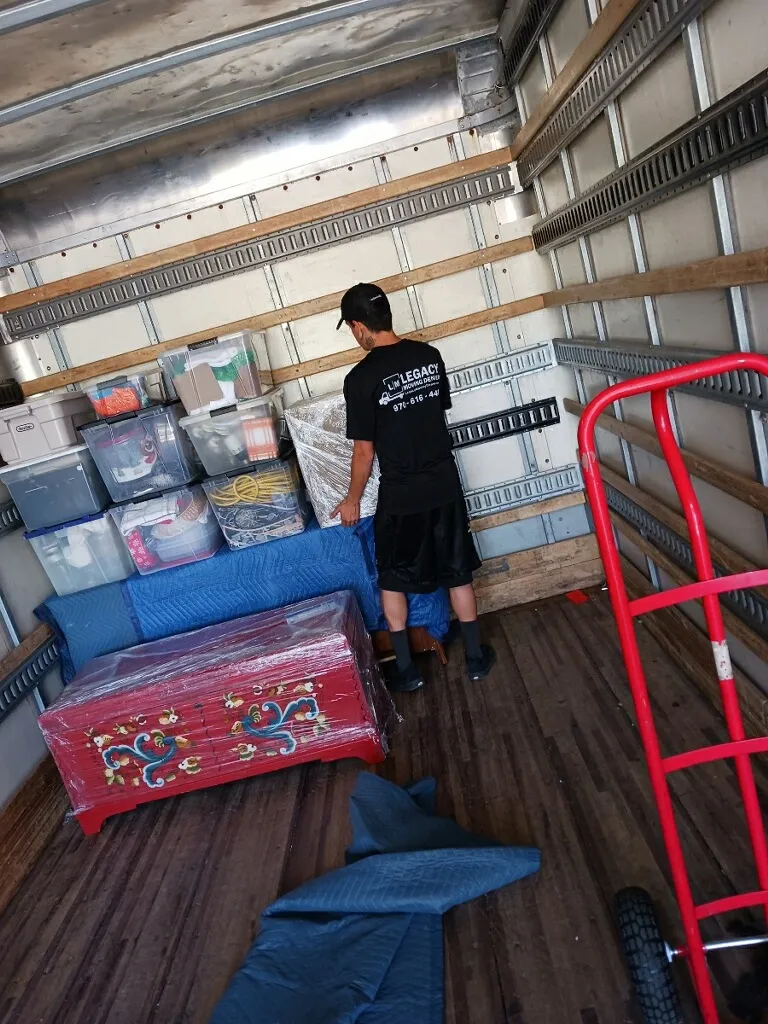
Hiring professional movers in Denver is one of the smartest decisions you can make when it comes to a stressful relocation—but here's something a lot of people don't realize until it's too late: your job doesn't end when you book the moving company. The work you do before the crew arrives directly affects how smoothly the whole day goes, how long it takes, and whether your stuff makes it to your new place in one piece.
I've been in this business long enough to have seen both sides of this. I've walked into homes where the residents had clearly prepped like pros—boxes labeled, pathways clear, special items identified—and the whole move flowed like clockwork. And I've walked into homes where nothing was ready, boxes were half-packed, furniture was still fully loaded with items inside the drawers, and the entire day turned into a slow, expensive grind.
The difference? Almost entirely preparation. Here's the real, honest guide to getting your Denver home ready before your movers arrive.
Start With the Right Mindset: Your Preparation Affects Their Efficiency (and Your Bill)
Most professional moving companies in Denver charge by the hour. Some long-distance moves are priced by weight and distance, but for local Denver moves—whether you're going from a house in Washington Park to a condo in LoHi, or from an apartment in Arvada to a townhome in Centennial—hourly rates are the norm.
That means every extra minute your movers spend standing around waiting for you to finish packing a box, hunting for the tape gun, or trying to figure out which furniture you actually want to take is money out of your pocket. Professional movers are not charging you for their slowness—they're charging you for your lack of readiness.
The best thing you can do before move-in day is remove every obstacle that might slow your crew down. That's really the whole philosophy behind good preparation: make the path between "truck in driveway" and "truck fully loaded and heading to the new place" as clear and fast as possible.
Three to Four Weeks Before the Move: The Big Picture Work
If you have the luxury of a few weeks of lead time, use it. The things you do early make everything else easier.
Declutter Before You Pack Anything
The single biggest gift you can give yourself before a Denver move is deciding what you're not bringing. Moving is expensive. The more stuff you move, the longer it takes, the more it costs, and the more chaos you're unpacking on the other end.
Go room by room with an honest eye. Clothes you haven't worn in two years. Kitchen gadgets collecting dust. Furniture that doesn't fit your new space. Old electronics. Kids' toys they've outgrown. Books you've already read and won't read again.
Denver has plenty of options for responsible decluttering: Goodwill and Arc Thrift have locations all over the metro. Facebook Marketplace moves stuff fast if it's priced right. There are also several organizations in the Denver area that specifically accept furniture, housewares, and clothing donations for people coming out of housing transitions.
The rule I tell people: if you'd rather just leave something behind than take the time to move it, that's a strong signal it doesn't need to come with you. Moving a bunch of stuff you don't want to your new home means you're just dealing with the decluttering problem later—except now you're doing it in boxes in an unfamiliar space.
Get Your Boxes and Packing Supplies Together
Running out to Home Depot or U-Haul the morning of your move to grab a few more boxes is a classic amateur move. Don't do it. Figure out what you need and get it all in one shot, early.
For a typical three-bedroom Denver home, most people underestimate how many boxes they need. As a rough guideline: think 50 to 80 boxes minimum for a standard three-bedroom house. Better to have ten extra boxes sitting in the garage than to run short the night before.
Beyond boxes, make sure you have:
- Multiple rolls of packing tape and a working tape gun (seriously, two tape guns—you will lose one)
- Plenty of packing paper or newsprint for dishes, glasses, and fragile items
- Bubble wrap for truly fragile things
- Permanent markers for labeling—multiple colors if you want to color-code rooms
- Stretch wrap for protecting furniture, bundling items, and keeping drawer contents in place
- Mattress bags (large plastic bags designed to protect mattresses during moves)
- Wardrobe boxes if you want to move hanging clothes without taking them off hangers
Make a Moving Inventory
This sounds more official than it needs to be. You don't need a spreadsheet (though it doesn't hurt). Even a simple room-by-room notes app list that tracks what's going where helps enormously on the day. It gives your movers direction, helps you confirm everything arrived at the new place, and means you're not standing in your old house at 4pm trying to remember if you grabbed the stuff from the hall closet.
One to Two Weeks Before the Move: Room-by-Room Packing
This is when the actual packing happens. The key is to be systematic about it and to stay ahead of your timeline.
Start With Rooms You Use Least
Guest bedrooms, formal dining rooms, basement storage areas, home office bookshelves, garage items you haven't touched in months—pack these first. They're easy to pack without disrupting daily life, and clearing them out early gives you space to stage packed boxes.
Pack Smart, Not Just Fast
Some packing principles that genuinely make a difference:
Keep boxes to manageable weights. Heavier items—books, tools, canned goods—go in smaller boxes. Lighter items—pillows, linens, lampshades—can go in larger boxes. A box so heavy that one person can barely lift it is going to slow your movers down and risks someone getting hurt.
Label every box with room AND contents. "Kitchen" is not enough. "Kitchen – pots and pans" is useful. "Kitchen – pots and pans, can opener, cast iron skillet" is even better. The best labeling method: write the destination room on the top of the box and on one side, so it's readable whether it's stacked or standing. Mark boxes containing fragile items on all four sides and on top—not just one side.
Pack complete rooms together. Don't throw a kitchen item in a box with a bathroom item because you had space. Keep rooms together. Your movers will put boxes in the correct rooms at the destination, and your unpacking will be dramatically easier if everything is already organized by space.
Don't leave boxes half-empty. Half-empty boxes collapse under weight when stacked and don't load efficiently in the truck. Fill remaining space with towels, linens, clothing, or packing paper to firm them up.
Pack heavy items flat, not upright. Plates pack standing on their edge with padding between each one—this is actually the stronger position. Glasses go upside down with padding inside each glass.
Empty Furniture Before the Move
This is a big one that people often miss. Dressers, filing cabinets, nightstands, desks—these should be emptied before your movers arrive. Many people assume their movers will just carry the dresser with all the clothes still in it. A few things to know:
First, it's much heavier. A dresser fully loaded with clothes weighs significantly more than an empty one, which slows the movers down and increases strain risk.
Second, items inside can shift and cause damage—both to the furniture itself and to the items inside.
Third, and most practically: most professional moving companies ask you to empty furniture as part of standard move prep.
The exception is furniture you genuinely can't unload before the movers arrive—and even then, communicate with your movers in advance so they know what they're dealing with. Surprises on move-in day slow everyone down.
Disassemble What You Can Ahead of Time
Bed frames, modular shelving units, cribs, certain desks and tables—anything that's going to need to be disassembled before it can be moved. If you can do this in the days before the move rather than on move day, you're saving yourself real time.
When you disassemble furniture, put all the hardware (screws, bolts, Allen wrenches, cam locks) in a labeled zip-lock bag and tape it directly to the furniture or pack it in a clearly marked box. Nothing is more maddening than arriving at your new Denver home and realizing the hardware for the bed frame is somewhere in a box with 50 other things.
The Week of the Move: Getting the Home Ready for the Crew
You're getting close. The packing is mostly done, and now it's time to think specifically about setting up your home for the moving crew to work efficiently.
Create Clear Pathways
This is non-negotiable. Your movers need to be able to move through your home safely and quickly with large, heavy items. That means clear hallways, clear staircases, clear paths from every room to the front door or loading area.
Walk every path a mover carrying a large piece of furniture would take from each room to the exit. Remove:
- Area rugs (these are tripping hazards and can bunch up under heavy furniture)
- Scatter rugs in hallways and entryways
- Decorative items on the floor or low shelves along hallways
- Anything hanging at head-height in doorways (wind chimes, hanging plants, art)
- Pet gates or baby gates that might be partially obstructing doorways
- Boxes staged in hallways or near doorways (move them to the side)
In Denver, this also means thinking about your front yard, porch, and driveway. Remove any garden decorations, hoses, potted plants, or anything that might be in the path between the front door and the driveway where the truck will be parked.
Protect Your Floors
Professional movers will typically bring floor protection—runners, blankets for doorways—but you can supplement this by placing carpet scraps or cardboard at the front door entrance and any high-traffic transition zones. If you have hardwood floors and you're concerned about scratches, mention it to your movers before they start and ask what protection they'll be using.
This matters especially in older Denver homes and bungalows that have original hardwood floors. Those floors are beautiful and often irreplaceable. A little conversation and a little protection goes a long way.
Identify Your Special Items Early and Communicate About Them
If you have items that need extra care or special handling, your movers need to know before the move—not when they're standing in front of the item trying to figure out how to move it.
What falls into this category:
- Piano or organ — Piano moves require specialized equipment and technique. Not all crews are trained for it. Confirm your movers handle pianos, and confirm the route from current location to truck is piano-navigable.
- Gun safes and heavy safes — Very heavy, very dense, often awkward dimensions. Require heavy-duty equipment and extra muscle.
- Antiques or high-value furniture — Let your movers know which pieces are irreplaceable or valuable so they can take extra care with wrapping and handling.
- Large art or mirrors — Framed art and mirrors need proper padding and ideally specific boxes. Tell your movers what you have.
- Electronics and large appliances — Confirm in advance whether your movers will disconnect and reconnect appliances, and whether you need to do any prep (draining water from a washing machine hose, defrosting a freezer).
- Items you're NOT moving — This sounds obvious, but clearly communicate what's staying. Tag items being left behind, especially if it might not be obvious (a piece of furniture you're leaving for the next owners, a built-in that you might be tempted to try to remove).
Deal With Plants, Pets, and Children Thoughtfully
Plants, pets, and small children need a plan for moving day.
Plants: Most moving companies in Denver will not transport live plants, both because they can be damaged in a truck and because they can be a liability (soil spilling, plants dying due to heat). Plan to transport your plants in your own vehicle or arrange for a neighbor to keep them briefly. Water them a few days before the move so they're not waterlogged on moving day.
Pets: A moving day with a dog or cat loose in the house is chaotic. Front doors will be open constantly, movers are moving through quickly, and a pet underfoot is a real injury risk. Arrange for pets to be at a friend's house, a doggy daycare, or contained securely in one room that's clearly marked as off-limits for movers. Put a note on the door: "DO NOT OPEN – pet inside."
Kids: If you have young children, moving day is genuinely not the best place for them to be. Arrange for them to be with family, a sitter, or a trusted friend for the duration of the move. It protects them from the chaos, it lets you focus, and it lets your movers work without worrying about a small person darting around moving furniture.
Set Aside Your "Do Not Move" Box
Pack a box or bag of essentials that are riding with you in the car—not in the moving truck. Label it clearly and keep it somewhere completely separate from everything else. This box should contain:
- Prescription medications and medical supplies
- Important documents: passports, birth certificates, social security cards, closing paperwork, lease agreements
- Laptop and chargers
- Phone chargers
- Jewelry and high-value small items
- Keys (old home keys, new home keys, car keys)
- A day's worth of clothing for each family member
- Kids' comfort items (stuffed animals, favorite toys)
- Snacks, water, coffee supplies for moving day
- Basic toiletries for the first night
- Toilet paper—you'll thank yourself later
Keep this box or bag with you or in your car from the moment you pack it. Not with the stuff going in the truck.
The Night Before: Final Walk-Through
The night before your Denver move, do a slow walk through every single room. Check:
- Is every box sealed and labeled?
- Is anything left unpacked that should be packed?
- Are the pathways clear?
- Is the furniture that needs to be disassembled already broken down?
- Do you know exactly where your movers are going to park? (If there were logistics issues with your location—tight driveway, city street—this is worth double-checking)
- Do you have cash or a card ready for any tips you plan to leave?
- Do you know what time your crew is arriving?
- Is your "do not move" bag in your car?
Also: take care of yourself tonight. Moving day is physically and emotionally exhausting. Eat a real dinner. Get to bed at a reasonable time. The move goes better when you're rested and clear-headed.
Moving Day Morning: Setting Your Crew Up for Success
When your movers arrive at your Denver home, give them a quick walkthrough. Show them:
- Which items are going and which are not (especially important if there's furniture being left behind)
- Any items that need special handling
- Which boxes are fragile
- Where they should park the truck if it's not obvious
- Any quirks of the home—narrow stairwell, low doorway, side gate that needs to be opened, etc.
This walkthrough doesn't need to take long—five to ten minutes with the lead mover is usually enough. But it means everyone starts on the same page, and your crew isn't discovering surprises mid-move that slow everything down.
Then step back and let them work. Professional movers know what they're doing. Your job on moving day is to be available and accessible—not to supervise every lift or second-guess every packing decision. If you stay involved in a helpful way (answering questions as they come up, making decisions quickly, keeping kids and pets out of the way), you'll have a much better day than if you're hovering and micromanaging a crew that does this every day.
A Word Specific to Denver Homes and Conditions
Denver has some home-specific quirks worth mentioning.
Older homes with narrow doorways: A lot of Denver's housing stock—particularly in Capitol Hill, Washington Park, Highlands, and older neighborhoods—was built in the early to mid-1900s. Standard doorframes from that era are narrower than modern frames. A sectional sofa or a king-sized bed frame might need to be disassembled or maneuvered carefully. Walk your own doorways before move day and flag anything that looks tight.
Basements: Denver homes often have full basements, and basement stairwells are almost universally tight. If you have large furniture coming out of a basement—big sectionals, old pool tables, large freezers or chest freezers—tell your movers in advance. Some basement items genuinely need to be measured against the stairwell to confirm what's possible.
Weather: Denver weather in spring and fall can be genuinely unpredictable. A beautiful morning can turn into an afternoon snowstorm in March or October. If you're moving during shoulder seasons, have a plan for protecting items that are particularly weather-sensitive. Your movers will keep moving in light rain or snow, but it's worth having a few extra tarps or plastic covers on hand for truly delicate furniture.
High-rise and multi-family buildings: If you're in a downtown Denver condo or apartment building, move-in prep overlaps with building logistics—elevator reservations, loading zones, certificate of insurance requirements. See our full guide on moving into downtown Denver apartments if that's your situation.
What Professional Movers Actually Need From You
When professional movers show up at your Denver home, here's what makes their job—and yours—go smoothly:
- Boxes that are sealed, labeled, and ready to move
- Furniture emptied and, where possible, disassembled
- Clear pathways from every room to the exit
- Knowledge of where the truck should park or load
- A clear indication of what's coming and what's staying
- Someone available and responsive to answer quick questions
- No surprises (or at minimum, pre-communicated surprises)
Professional movers don't need you to help carry boxes—that's what you're paying them for. They don't need you to supervise their technique. They don't need you to stress out loud. They need you to have done your homework before they arrived.
The Bottom Line on Preparing for Your Denver Move
The best moves I've been part of in Denver have one thing in common: the homeowner treated their preparation as just as important as hiring the right crew. When a client has done the work in advance—packed and labeled everything, cleared the pathways, communicated about special items, handled the logistics—the moving crew can come in and execute. The job becomes what it should be: a physical, logistical task done efficiently by people who are good at it.
When a client hasn't prepared? We still do the job. But it takes longer, costs more, and the stress is palpable for everyone involved.
You're already doing the right thing by researching this before your move. Use this guide, start early, and by the time your movers pull into the driveway, you'll be ready.
Need Help Getting Ready for Moving Day in Denver?
If you're not sure how to prep your specific home, or if you want professional packing help to take the burden off entirely, give us a call. We can walk you through exactly what we'll need from you on your specific move.
Call (720) 340-1849