
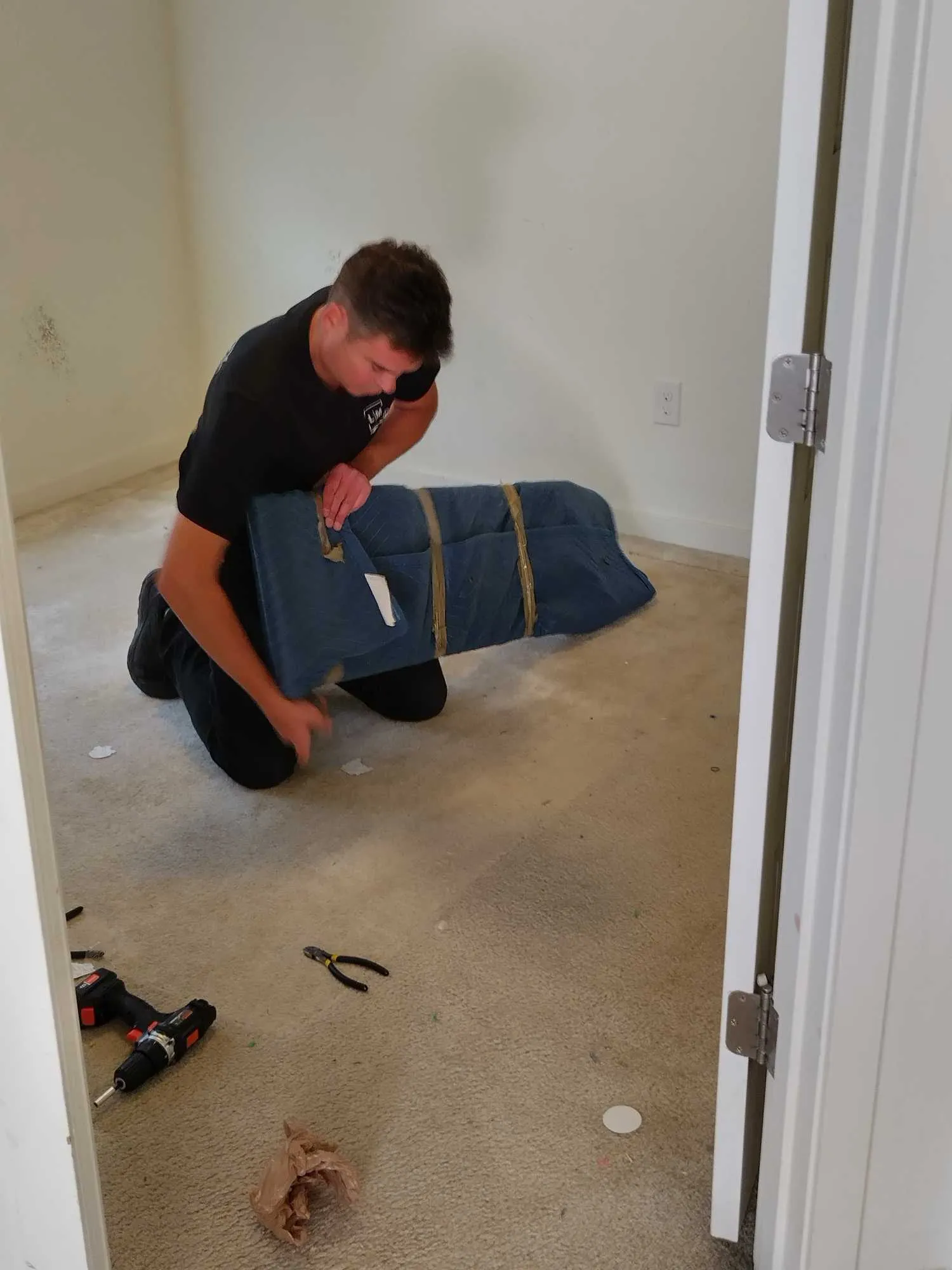
Moving heavy items like gun safes, pianos, and large cabinets presents unique challenges in Denver, Colorado. Between our historic homes with narrow staircases, elevation changes that affect your stamina, and the need to protect hardwood floors that are common in older Denver neighborhoods, these specialty items demand careful planning and the right approach.
Whether you're relocating within Denver, moving from Aurora to Lakewood, or settling into Highlands Ranch, understanding how to safely move heavy items can prevent injuries, property damage, and costly mistakes. This comprehensive guide walks you through professional techniques that movers use every day.
Understanding the Challenges of Moving Heavy Items in Denver
Denver's unique environment creates specific challenges when moving heavy items. Our elevation (5,280 feet) means you'll tire faster during physical exertion—what feels manageable at sea level becomes exhausting here. Many of our beautiful historic homes in neighborhoods like Englewood and Golden feature narrow hallways, tight corners, and steep staircases that weren't designed with modern furniture and safes in mind.
Temperature fluctuations are another consideration. Denver's dry climate and dramatic temperature swings can affect wooden pianos and antique furniture. Moving these items during extreme weather requires additional precautions to prevent warping, cracking, or other damage.
Weight Categories and Risk Assessment
Before attempting any heavy item move, understand what you're dealing with:
- 100-200 pounds: Manageable with 2-3 people and basic equipment (furniture sliders, lifting straps)
- 200-400 pounds: Requires specialized equipment (appliance dolly, furniture dolly) and careful planning
- 400-700 pounds: Professional assistance strongly recommended; specialty equipment essential
- 700+ pounds: Professional movers with specific heavy-item experience are non-negotiable
Most gun safes weigh 400-1,200 pounds. Pianos range from 300 pounds (small uprights) to 1,200+ pounds (grand pianos). Large armoires, china cabinets, and slate pool tables can easily exceed 500 pounds.
Essential Equipment for Moving Heavy Items
The right equipment makes the difference between a safe move and a disaster. Here's what professional movers use:
Dollies and Hand Trucks
Appliance dolly: Heavy-duty dolly with straps designed for large appliances and safes. The straps secure the item while the wheels handle the weight. Rubber wheels protect floors.
Furniture dolly (platform dolly): Flat platform on four wheels, ideal for pianos, large cabinets, and items that need to stay level during transport.
Stair climbing dolly: Specialized equipment with rotating wheels or tracks that grip stairs. Essential for moving heavy items up or down staircases safely.
Piano dolly: Specifically designed with a curved platform and secure straps to transport upright and grand pianos. The shape cradles the piano to prevent tipping.
Lifting and Moving Tools
- Lifting straps (shoulder dolly): Distribute weight across your strongest muscles (legs and shoulders) rather than your back. Two-person straps allow coordinated lifting.
- Furniture sliders: Plastic or felt discs that go under furniture legs, allowing you to slide heavy items across floors without lifting. Essential for protecting hardwood and tile.
- Moving blankets: Heavy quilted blankets protect items from scratches and protect walls/doorways from impact during tight maneuvers.
- Ratchet straps: Secure items to dollies and inside moving trucks. The ratcheting mechanism provides tight, reliable hold.
- Hydraulic lift: For extremely heavy items, hydraulic lifts can raise items onto trucks or platforms. Professional movers have access to these.
Protection and Safety Gear
- Work gloves: Heavy-duty gloves improve grip and protect hands from splinters, metal edges, and abrasions
- Steel-toed boots: Protect your feet if something slips (dropping a 400-pound safe on your foot in sneakers is a hospital visit)
- Knee pads: If you're maneuvering low items or working on stairs
- Back support belt: While debated, many movers use these for additional lumbar support during heavy lifts
- Floor protection: Cardboard, plywood, or specialized floor runners prevent damage to hardwood, tile, or carpet from equipment wheels
- Door jamb protectors: Foam or plastic guards prevent scratches and dents to door frames during tight passages
Moving Gun Safes: The Ultimate Heavy Item Challenge
Gun safes are among the most challenging items to move. They're extremely heavy (400-1,200 pounds), awkwardly shaped, and often located in basements with narrow stairways or corners. Here's how professionals handle them:
Preparation Steps
Empty the safe completely. Remove all firearms, ammunition, documents, and accessories. Even small items add significant weight—a safe "only" holding 50 pounds of guns and ammo is still 50 pounds heavier to move.
Remove the door if possible. Many gun safes have removable doors that account for 25-40% of the total weight. Check your manufacturer's instructions. Removing the door can reduce weight by 150-300 pounds, making the move dramatically easier and safer.
Measure everything. Measure the safe's dimensions (height, width, depth). Measure doorways, hallways, and staircases it must pass through. Account for the dolly adding 3-4 inches to one dimension. If measurements are tight, you may need to remove door trim or plan an alternative route.
Plan the route. Walk the entire path from current location to moving truck, then from truck to new location. Identify potential obstacles: tight corners, low-hanging lights, narrow doorways, stairs. Sometimes going out a window or patio door is easier than navigating indoor routes.
Moving Technique for Gun Safes
Use a heavy-duty appliance dolly. Position the dolly behind the safe. Tilt the safe backward carefully (2-3 people minimum) and slide the dolly underneath. Secure the safe to the dolly with ratchet straps—at least two straps, preferably three.
Navigate stairs with extreme caution. Going down stairs is more dangerous than up. Always have spotters. The person at the bottom controls the descent speed. Move one stair at a time. Consider a stair-climbing dolly for basement moves—they're expensive but worth renting for this job.
Protect floors religiously. Use plywood or hardboard pathways over hardwood floors. A 700-pound safe on a dolly can dent, scratch, or crack flooring. In Denver's older homes with original hardwood, floor repairs cost thousands.
Mind the truck ramp. Loading into the truck requires a sturdy ramp rated for the weight. Most rental truck ramps aren't sufficient for heavy safes. Professional movers have reinforced ramps specifically for this purpose.
When to Hire Professionals for Safe Moving
Hire professional movers for gun safes if:
- The safe weighs over 500 pounds
- Stairs are involved, especially narrow or steep basement stairs
- You have hardwood floors or valuable flooring you want to protect
- Doorways are tight (within 2 inches of safe dimensions)
- You don't have access to proper equipment
- You're moving in Denver's altitude and aren't acclimated to physical exertion here
Professional safe movers charge $200-600 for local moves depending on safe size, stairs, and distance. This cost is minimal compared to potential injuries (ER visits cost thousands), floor damage (refinishing hardwood runs $3-10 per square foot), or safe damage (replacing a damaged safe is $1,000-5,000+).
Moving Pianos: Delicate Giants
Pianos combine extreme weight with delicate internal mechanisms. A single hard bump can knock a piano out of tune, costing $200-400 to fix. Major impacts can cause structural damage. Here's how to move them safely:
Types of Pianos and Their Challenges
Spinet and console pianos (350-400 pounds): Smallest uprights, but still require 3-4 people and a piano dolly. These can technically be moved by experienced amateurs with proper equipment.
Studio and full upright pianos (400-600 pounds): Taller and heavier, with more complex internal mechanisms. Professional moving strongly recommended.
Baby grand pianos (500-600 pounds): Require leg removal and special handling. The curved body is awkward to maneuver. Always hire professionals for grand pianos.
Parlor and concert grand pianos (700-1,200+ pounds): These valuable instruments demand specialized piano movers with specific insurance. Don't attempt DIY moves with grands.
Upright Piano Moving Process
Wrap the piano completely. Use moving blankets to cover the entire piano, securing them with shrink wrap or packing tape (tape the blankets, not the piano itself). This protects the finish and provides grip points.
Use a piano dolly. Piano dollies have a curved platform that cradles the piano's shape. Position the dolly against the piano, tilt the piano backward onto it (requires 3-4 strong people), and secure with straps.
Keep piano upright. Never lay a piano on its back or side—this can damage the internal mechanisms, especially the soundboard. Pianos must remain upright during the entire move.
Navigate carefully. Pianos are tall, making doorways and low ceilings challenging. Measure ceiling heights, especially in basements. Sometimes tilting slightly is necessary, but keep tilting minimal.
Climate control matters. Denver's dry climate is harsh on pianos. If moving in winter, warm the piano gradually in the new location. Sudden temperature changes can crack the soundboard. Consider climate-controlled moving trucks for valuable pianos.
Grand Piano Moving (Always Hire Professionals)
Grand pianos require:
- Removing all three legs
- Removing and separately packing the lyre (pedal system)
- Placing the piano on its side on a padded piano board
- Securing it with straps
- Maneuvering with specialized dollies
- Reassembling and releveling at the new location
This process requires training and experience. Attempting it without professional help risks damaging a $10,000-100,000+ instrument. Piano moving specialists in Denver charge $300-800 for local grand piano moves—a fraction of the piano's value.
Post-Move Piano Care
After moving a piano:
- Let it acclimate to the new environment for 2-3 weeks before tuning
- Schedule a professional tuning ($100-200)—moves always affect tuning
- Check for any cosmetic damage before movers leave
- Position away from heating vents, windows, and exterior walls (temperature fluctuations damage pianos)
- Maintain humidity levels (40-50% ideal—challenging in Denver's dry climate, so use a humidifier)
Large Cabinets, Armoires, and Furniture
Oversized furniture presents different challenges than safes or pianos. These items are often top-heavy, have removable components, and may be antiques requiring extra care.
Disassembly Strategy
Remove everything inside. Empty all shelves, drawers, and compartments. Even lightweight items add up. An "empty" china cabinet with dishes still inside can weigh 400+ pounds instead of 200.
Remove doors and drawers. Take off doors and remove drawers to reduce weight and bulk. Label each piece and keep hardware in labeled bags taped to the furniture or kept in a master hardware box.
Separate the top from the base. Many large armoires, hutches, and china cabinets have two pieces: a base cabinet and an upper cabinet or hutch top. Separating these makes each piece more manageable.
Check for hidden fasteners. Antique furniture often has hidden screws or dowels connecting pieces. Don't force separation—look for fasteners first to avoid damage.
Moving Technique for Large Furniture
Protect first, move second. Wrap completely in moving blankets. Secure blankets with shrink wrap. Pad corners and edges with foam or cardboard. This prevents scratches and provides cushioning.
Use furniture sliders. For rooms without obstacles, sliders let you push heavy furniture across floors without lifting. Place sliders under each leg or corner. One person can often move surprisingly heavy items this way.
Tilt and dolly. For longer distances or obstacles, use a furniture dolly. Tilt the furniture onto the dolly, secure with straps, and wheel to the truck. Always tip furniture backward onto the dolly, never forward (more stable).
Mind the center of gravity. Tall, top-heavy furniture (armoires, bookcases) can tip easily. Always tilt toward the heavier end. Have a spotter to prevent tipping when going over thresholds or uneven surfaces.
Special Considerations for Antiques
Antique furniture requires extra care:
- Wood can be fragile: Old glue joints may be weak. Support from underneath when lifting, not by pulling on decorative elements.
- Finishes are delicate: Antique finishes scratch easily. Use soft blankets and avoid tape directly on the furniture.
- Insurance matters: Get appraised value before moving. Ensure your moving insurance covers the actual value, not just standard coverage ($0.60/pound doesn't cover a $5,000 antique armoire).
- Climate control: Antiques are sensitive to humidity and temperature. Use climate-controlled trucks when possible, especially in Denver's extreme weather swings.
Slate Pool Tables and Game Tables
Pool tables are deceptively heavy—the slate playing surface weighs 400-800 pounds depending on size, plus the frame adds another 200-300 pounds.
Pool Table Moving Process
This is a professional job. Pool table moving requires:
- Removing and labeling felt carefully (must be reattached properly)
- Unscrewing slate pieces (full-size tables have 3-piece slate)
- Carefully lifting slate (100-250 pounds per piece, awkward to grip)
- Disassembling the frame
- Packing pieces for transport
- Reassembling and releveling at new location
- Re-felting if necessary
Professional pool table movers charge $400-800 for local moves. Attempting DIY risks cracking the slate (replacement costs $500-2,000 per piece), tearing the felt (replacement $150-500), or injury from the heavy, awkward slate pieces.
Refrigerators, Washers, and Large Appliances
Heavy appliances have their own quirks beyond just weight:
Refrigerator Moving
- Empty completely and defrost 24 hours before moving
- Remove doors if they won't fit through doorways (many modern refrigerators have this issue)
- Secure doors and shelves with tape or stretch wrap
- Use appliance dolly—refrigerators are designed to be wheeled on a dolly
- Keep upright during transport (laying on side can damage compressor)
- If must be tilted, tilt no more than 45 degrees
- Let sit upright 4-6 hours after moving before plugging in
Washing Machine and Dryer
- Washers: Disconnect hoses, use shipping bolts to secure drum (prevents damage during transport), drain all water
- Dryers: Disconnect vent, tape door shut, straightforward to move on appliance dolly
- Stackable units: Separate before moving, never attempt to move as one piece
- Front-loaders: Especially heavy (150-250 pounds), use shipping bolts if you have them
Stairs: The Great Multiplier of Difficulty
Stairs transform moderately challenging moves into extremely difficult ones. Denver's older homes often have steep, narrow basement stairs that are particularly treacherous.
Stairway Assessment
Before attempting stairs with heavy items:
- Measure stair width: Item must fit with dolly width included
- Check ceiling height: Tall items on tilted dollies need clearance
- Evaluate turns and landings: Can you navigate corners without tilting dangerously?
- Test stair strength: Old wooden stairs may not support extreme weight
- Check railing security: Don't rely on railings for support—many aren't strongly anchored
Stairway Technique
Going down stairs (harder than up):
- Person at bottom controls speed and bears most weight
- Person at top guides and prevents tipping
- Move one stair at a time, pause on each step
- Never rush—slow and controlled prevents accidents
- Use stair-climbing dolly if available (wheels rotate to grip each stair)
Going up stairs:
- Person at top pulls, person at bottom pushes and lifts
- Top person walks backward up stairs—have spotter behind them
- Pause frequently—Denver's altitude makes this exhausting
- Secure straps before each lift to next stair
When stairs are too dangerous:
- Consider window or patio door exit (remove window/door, use exterior ramp)
- Some moving companies have specialized hoisting equipment
- For second-story moves, hoisting from outside is often safer than stairs
Protecting Your Home During Heavy Item Moves
Heavy items moving through your home can cause thousands in damage if you don't protect properly:
Floor Protection
- Hardwood floors: Use plywood sheets or hardboard pathways. Furniture sliders work for light maneuvering, but dollies need solid protection.
- Tile floors: Can crack under point loads. Use plywood or thick cardboard runners.
- Carpet: Use Masonite or cardboard runners to prevent crushing pile and creating permanent traffic patterns.
- Transitions: Door thresholds and room transitions are impact points. Extra padding here prevents chips and cracks.
Wall and Doorway Protection
- Install door jamb protectors (foam or plastic guards)
- Use corner guards on hallway corners
- Moving blankets on walls in tight passages
- Remove decorative door trim if passage is too tight
- Consider removing doors entirely for clearance
Home Features to Watch
- Light fixtures: Overhead lights in hallways and stairs—lower or remove if needed
- Thermostats: Often on walls where furniture passes—bump these and they break
- Decorations: Remove wall art, mirrors, decorative items from the path
- Furniture: Move other furniture out of the path completely
Safety and Injury Prevention
Heavy item moving causes thousands of injuries annually. Protect yourself:
Lifting Technique
- Bend at knees, not waist (engage legs, not back)
- Keep load close to body (farther away multiplies strain)
- Avoid twisting while holding weight (pivot with feet instead)
- Lift in smooth motion (no jerking or sudden movements)
- Communicate constantly with partners ("Lift on three: one, two, three, lift")
Know Your Limits
- If something feels too heavy, it is—don't push through
- Take frequent breaks, especially at altitude
- Stay hydrated (Denver's dry air dehydrates you faster)
- If you feel sharp pain, stop immediately
- Don't let pride or stubbornness cause injury
Common Injuries and How to Avoid Them
Lower back strain: Most common moving injury. Use lifting straps to distribute weight, lift with legs, avoid twisting. If you feel back tightness, take breaks.
Crushed fingers/toes: Wear work gloves and steel-toed boots. Don't put fingers under items being set down. Keep feet clear of dropping paths.
Knee injuries: Going down stairs with heavy loads strains knees. Use dollies, take one stair at a time, consider knee braces if you have knee issues.
Shoulder and arm strains: Reaching to grip awkward items. Get closer to the item before lifting. Use straps to avoid grip strain.
When to Hire Professional Movers
Professional heavy item movers are worth the investment when:
- Items weigh over 300-400 pounds
- Stairs are involved
- You don't have proper equipment
- The item is valuable (piano, antique, expensive safe)
- Doorways or hallways are tight
- You have health limitations or injuries
- Your home has features requiring protection (hardwood floors, narrow historic hallways)
- You're not experienced with heavy items
- Time is limited—professionals work much faster
Cost vs. Value
Professional heavy item moving costs:
- Gun safe moving: $200-600 depending on weight, stairs, distance
- Piano moving (upright): $200-400 locally
- Piano moving (grand): $400-800+ locally
- Pool table moving: $400-800 including disassembly/reassembly
- Heavy furniture: Often included in full residential moving services, or $150-300 as standalone
Compare this to:
- ER visit for back injury: $500-3,000+
- Hardwood floor repair: $3-10 per square foot ($600-2,000 typical damage area)
- Piano tuning after botched move: $200-400
- Replacing damaged safe: $1,000-5,000
- Lost work time from injury: Varies, but significant
Professional movers also carry insurance, so if something does go wrong, you're covered.
Denver-Specific Heavy Item Moving Considerations
Moving heavy items in the Denver metro area has unique factors:
Altitude and Stamina
At 5,280 feet, you tire faster and recover slower. If you're from sea level, you'll feel this dramatically. Physical exertion at altitude requires:
- More frequent breaks
- Higher water intake
- Slower pace
- Extra help (three people at sea level = four people in Denver)
Historic Home Challenges
Denver's older neighborhoods (Capitol Hill, Wash Park, Highlands) feature:
- Narrow hallways (36-42 inches common)
- Steep basement stairs
- Original hardwood floors requiring protection
- Low basement ceilings
- Tight corners and small doorways
Climate Considerations
Denver's 300+ days of sunshine sounds great, but remember:
- Summer: Intense sun and heat—start early morning, stay hydrated
- Winter: Icy walkways and driveways are slipping hazards—salt/sand paths before moving heavy items
- Spring/Fall: Rapid weather changes—morning sun can become afternoon snow
- Dry air year-round: Dehydration happens faster, impacts stamina
Truck and Equipment Rentals
If renting equipment in Denver:
- U-Haul, Home Depot, and Lowe's rent appliance dollies ($15-25/day)
- Furniture dollies available at same locations
- Moving blankets rental ($10-15 per dozen per day)
- Lifting straps available at home improvement stores ($30-50 to buy)
- Specialized equipment (piano dollies, stair climbers) may need specialty rental companies
The Bottom Line: Heavy Items Require Respect and Preparation
Moving heavy items isn't impossible for DIY moves, but it requires honest assessment of your capabilities, proper equipment, and meticulous planning. The line between "challenging but doable" and "dangerous and foolish" is clear once you understand what's involved.
For items under 200-300 pounds with good access (no stairs, wide doorways), proper equipment and 2-3 strong helpers can handle it safely. For anything heavier, involving stairs, or requiring special care (pianos, antiques), professional movers provide expertise, equipment, insurance, and safety that DIY can't match.
When moving in Denver, Aurora, Lakewood, or surrounding areas, the unique challenges of altitude, older homes, and climate considerations make professional assistance even more valuable for heavy items.
The cost of professional movers is an investment in safety, home protection, and peace of mind. When you consider the alternative—injuries, property damage, or damage to valuable items—professional heavy item moving becomes not just worthwhile, but often the only sensible choice.
Ready to Move Heavy Items Safely?
If you're facing the challenge of moving gun safes, pianos, or other heavy items in the Denver metro area, our experienced team has the specialized equipment and expertise to handle it safely. We move heavy items every day, protecting both your belongings and your home. Get a free quote and let us show you how professional heavy item moving makes your life easier and keeps everyone safe.