
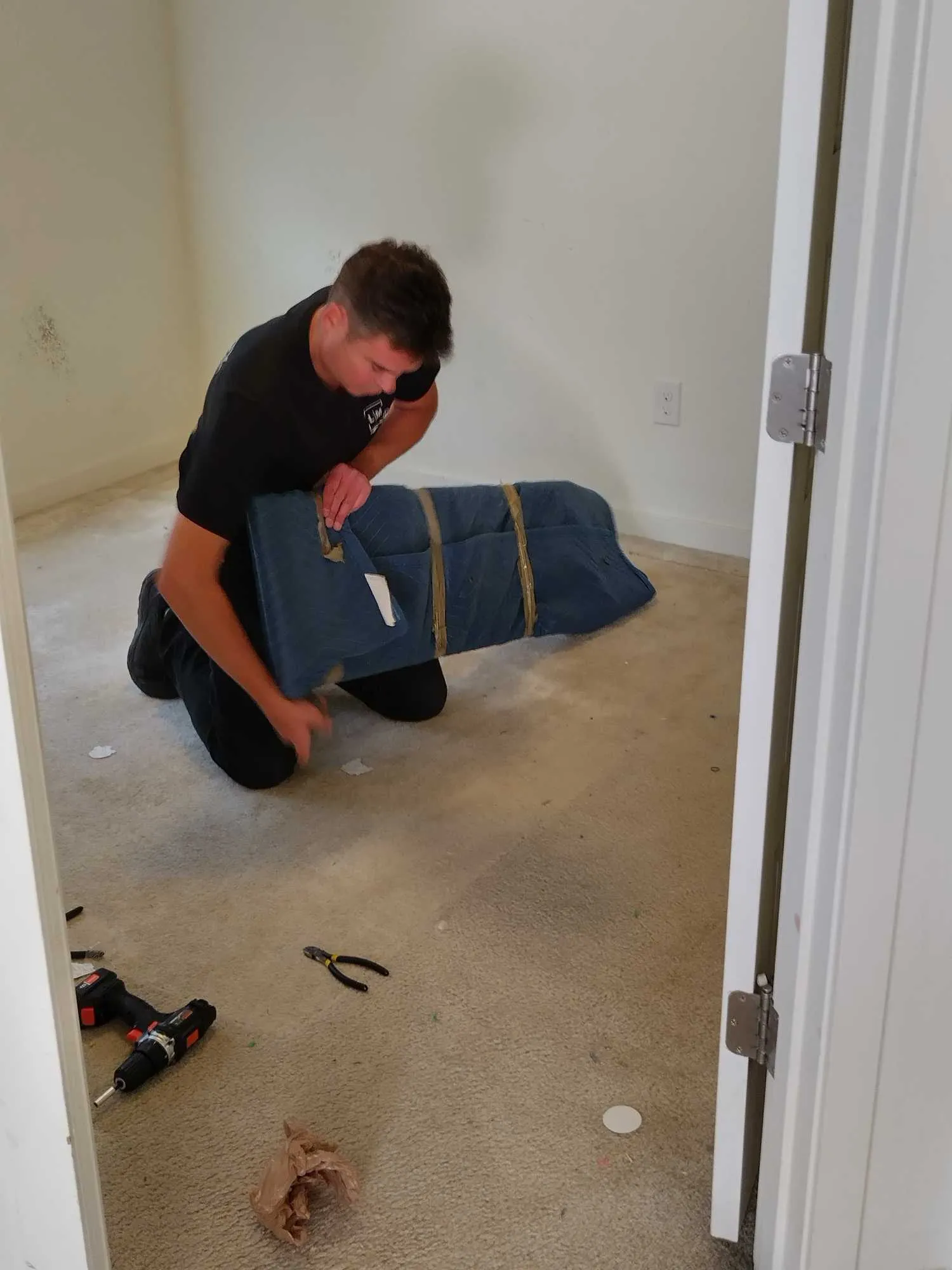
The moving truck has left, boxes are stacked floor to ceiling, and you're standing in your new Denver home wondering where to even begin. The excitement of your new place is quickly being overshadowed by the overwhelming reality: you have to unpack all of this.
Here's what most people get wrong about unpacking: they approach it randomly, opening whichever box is nearest, jumping from room to room without a plan. Three weeks later, they're still living out of boxes with half-unpacked rooms scattered throughout the house.
There's a better way. After helping thousands of families move throughout the Denver metro area, we've identified a proven unpacking strategy that gets you from "moving chaos" to "feels like home" in a fraction of the time.
The Psychology of Unpacking: Why Strategy Matters
Before diving into tactics, understand this fundamental truth: unpacking is more mentally taxing than packing. Your brain craves completion. Starting one room and finishing it creates psychological momentum. Random unpacking creates the opposite: a sense of being overwhelmed.
This is why room-by-room unpacking works so well. Each completed room becomes a "win" that motivates you to tackle the next one.
The Foundation: Before You Open a Single Box
Smart unpacking starts before you open anything. Spend your first hour setting up foundational systems:
Clean Critical Surfaces First
Even if your new home in Highlands Ranch was professionally cleaned, wipe down:
- Kitchen counters (you'll need clean space to unpack dishes)
- Bathroom counters and toilets
- Bedroom floors where you'll walk barefoot
- Inside cabinets and drawers before putting items away
Identify Your Unpacking Zones
Walk through your new home and mentally assign functions to rooms before unpacking so you're not moving items multiple times.
Gather Your Unpacking Tools
Set up an unpacking station with:
- Box cutter or utility knife
- Scissors
- Trash bags for packing materials
- Boxes for donation items
- Step stool for high shelves
- Cleaning supplies
- Water and snacks
The Priority System: What to Unpack First
Strategic unpacking follows a clear hierarchy:
Priority 1: Bathrooms (Day 1, 2-3 hours) - You need functioning bathrooms immediately.
Priority 2: Bedrooms (Day 1-2, 3-4 hours) - You need clean sheets and accessible clothing.
Priority 3: Kitchen (Day 2-3, 6-8 hours) - You need to eat, and takeout gets expensive fast.
Priority 4: Living Areas (Day 3-7, 5-10 hours) - You need comfortable common spaces.
Priority 5: Everything Else (Week 2-3) - Home office, guest rooms, storage areas.
Priority 1: Unpacking Bathrooms (Start Here)
Bathrooms are your first target because they're quick wins. A fully functional bathroom takes only 30-60 minutes to unpack.
Master Bathroom Setup
Under the sink: Toilet paper (critical), cleaning supplies, extra toiletries, hair tools
In the shower: Shower curtain, shampoo, conditioner, body wash, razors
On the counter: Daily toiletries, hand soap, toothbrush holder, medications
Linens: Hand towels, bath towels, bath mat
Additional Bathrooms
For secondary bathrooms, unpack just the basics: toilet paper, hand soap, one set of towels, shower curtain.
Priority 2: Unpacking Bedrooms (Day 1-2)
Good sleep is essential when you're physically tired from moving.
Master Bedroom First
The bed: Mattress protector, fitted sheet, flat sheet, pillowcases, comforter
Nightstands: Lamps, charging cables, alarm clock, water glass, medications
Closet: Start with "this week's" clothes—unpack only what you'll wear in the next 7 days
Dresser: Underwear and socks (high priority), daily-wear clothing, workout clothes
The goal is a bedroom where you can sleep comfortably and get dressed for work without digging through boxes.
Children's Bedrooms
Kids need comfort and routine:
- Beds made with familiar sheets
- Favorite stuffed animals accessible
- Night lights if they use them
- Tomorrow's outfit laid out
- A few favorite toys
Let kids help unpack their own rooms for agency during the transition.
Priority 3: Unpacking the Kitchen (Day 2-3)
The kitchen is the most time-consuming room. Budget 6-8 hours total, but break this into 2-hour sessions.
Phase 1: Immediate Meal Prep (2 hours)
Everyday dishes: Dinner plates, bowls, glasses, mugs, basic silverware
Cooking essentials: One large pot, one medium pot, two skillets, baking sheet, cutting board, chef's knife
Basic tools: Can opener, wooden spoons, spatulas, measuring cups, colander
Small appliances: Coffee maker (highest priority), toaster, microwave
Phase 2: Full Kitchen Setup (4-6 hours)
Organize by zone:
- Cooking zone (near stove): Pots, pans, cooking utensils, oils and spices
- Prep zone (near counter): Cutting boards, knives, mixing bowls
- Serving zone (near table): Plates, bowls, serving dishes
- Cleaning zone (near sink): Dish soap, sponges, drying rack
Pantry: Group by category (baking supplies, snacks, canned goods, pasta/grains), use containers to corral small items
The One-Month Rule
If you haven't used a kitchen item in a month of normal living, you probably don't need it accessible. That waffle maker you used twice? It can live in a high cabinet or garage.
Priority 4: Unpacking Living Areas (Day 3-7)
Living Room Essentials
Furniture placement first: Position sofa and chairs before unpacking decor
Functional items: TV and streaming devices, throw blankets, charging cables, remotes
Don't worry about: Hanging every piece of wall art, perfect bookshelf styling, all decorative accessories
Creating Your Relaxation Zone
After days of unpacking, you need a space to decompress. Prioritize making one room your "oasis" where you can relax without seeing boxes.
The Power of Unpacking Sessions: Break It Into Chunks
The biggest unpacking mistake is trying to do too much at once.
The Two-Hour Rule
Work in focused two-hour unpacking sessions, then take a real break. This is enough time to make progress but short enough to stay focused.
Sample weekend schedule:
- Saturday morning (9-11 AM): Kitchen phase 1
- Saturday afternoon (2-4 PM): Kitchen phase 2
- Sunday morning (9-11 AM): Primary bedroom
- Sunday afternoon (2-4 PM): Living room
Unpacking with Kids: Managing the Chaos
Give Kids Ownership
Let children unpack their own rooms with supervision—they decide where toys go, choose which posters go up. This builds investment in the new home.
Kid-Friendly Timelines
- Ages 3-6: 15-30 minute helping sessions max
- Ages 7-10: 30-45 minute sessions
- Ages 11+: Up to an hour if motivated
The Decluttering Opportunity: Unpack with Purpose
Moving is the perfect time to pare down.
The Three-Box Method
As you unpack:
- Keep: Used regularly, adds value to your life
- Donate: In good condition but you don't use it
- Trash: Broken, worn out, truly unusable
Be ruthless about duplicates, clothes you haven't worn in two years, impulse-buy gadgets, and decor that doesn't fit your new space.
Common Unpacking Mistakes to Avoid
Mistake 1: Trying to Unpack Everything Immediately
You'll burn out. It's better to fully unpack three rooms than partially unpack seven and live surrounded by half-empty boxes.
Mistake 2: Unpacking Without Cleaning First
Always wipe down cabinets before putting items away. Doing it later means emptying everything back out.
Mistake 3: Perfectionism in Organization
Good enough is good enough when unpacking. Functional beats perfect. You can always reorganize later.
The Timeline Reality Check
Let's set realistic expectations when unpacking 2-3 hours per day:
Studio/1-bedroom: 5-7 days to feel settled
2-bedroom house: 1-2 weeks for main areas, 3 weeks total
3-4 bedroom house: Week 1 (bathrooms, master, kitchen), Week 2 (living areas, bedrooms), Week 3 (office, storage)
When You're Truly Settled
You know you're done when:
- ✓ You can get ready for work without digging through boxes
- ✓ You can cook a normal meal in your kitchen
- ✓ Every family member can find their daily essentials
- ✓ You can relax in at least one room without seeing boxes
- ✓ Important documents are filed and accessible
Being "settled" means your home is functional and comfortable, not that every picture is hung or every room is magazine-perfect.
The 90-Day Rule: Final Organization
Give yourself 90 days to truly learn how you use your new space. After three months of actually living in your Westminster or Golden home, do a final reorganization pass based on your actual usage patterns.
The Bottom Line: Strategic Beats Random
Unpacking feels overwhelming because it is. The solution isn't pushing harder—it's working smarter with a room-by-room approach and clear priorities.
Start with bathrooms, move to bedrooms, tackle the kitchen, then fill in everything else systematically. Work in two-hour sessions. Give yourself three weeks, not three days. Declutter as you go.
Most importantly: give yourself grace. Unpacking takes longer than you think, and that's completely normal. Just take it one box, one room, one day at a time.
Need Help with Your Denver Move?
When your items arrive organized and carefully labeled, unpacking becomes infinitely easier. If you're planning a move in the Denver metro area, get a free quote to see how our experienced team makes your entire moving process—from packing through unpacking—smooth and stress-free.