
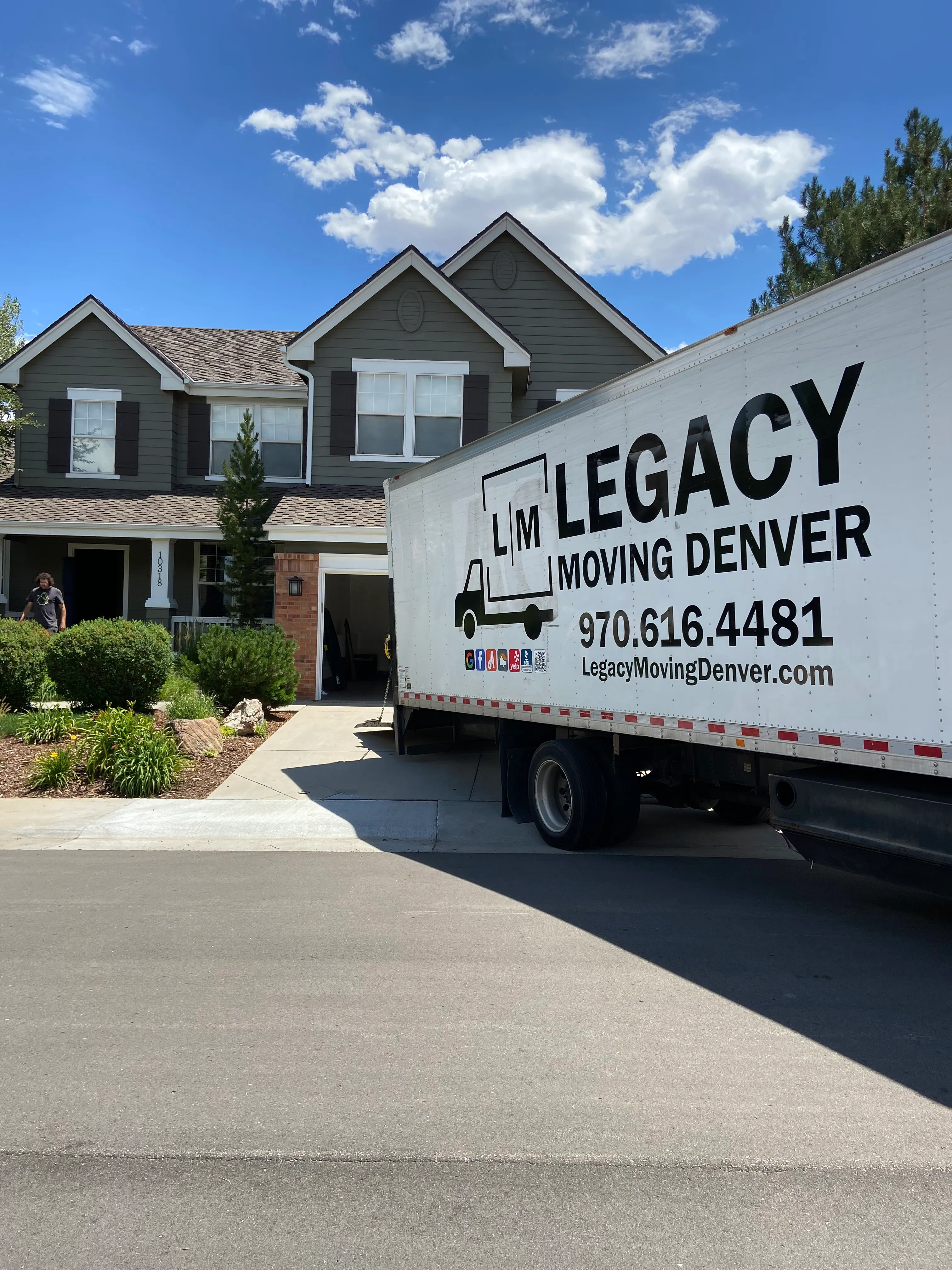
The decision to move from a house to a high-rise apartment represents a significant lifestyle change. Maybe you're empty nesters ready to shed yard maintenance and multiple stories of cleaning. Perhaps you're professionals wanting to live in the heart of downtown Denver within walking distance of restaurants, entertainment, and work. Or maybe you're simplifying after retirement or a major life change. Whatever your reason, the logistics of transitioning from a house to a high-rise apartment are dramatically different from typical moves—and nowhere is this more apparent than when dealing with Denver's downtown high-rises and luxury apartment buildings.
After coordinating hundreds of house-to-high-rise moves throughout the Denver metro area, from Capitol Hill historic buildings to new luxury towers in Union Station and Cherry Creek, I can tell you that the secret to a stress-free transition is understanding that this isn't just a move—it's a lifestyle transformation. This guide walks you through every aspect of successfully making this transition, with specific focus on Denver's unique high-rise landscape.
Understanding High-Rise Moving Challenges
Moving into a high-rise creates complications that don't exist with house-to-house moves. These challenges require advance planning and coordination.
Building access restrictions are the first major hurdle. Unlike houses where movers can park in the driveway and walk through the front door, high-rises have specific procedures. Most Denver high-rises require advance reservations for elevators, sometimes weeks or even months ahead during peak moving season (summer months and end-of-month periods). Loading docks or service entrances must be reserved separately from elevators. Some buildings charge deposits for elevator and common area use, refundable if no damage occurs. Peak moving times (weekends, month-ends, summer) might be restricted or have higher fees.
Space constraints affect every phase. High-rise hallways are typically narrower than house hallways. Elevator dimensions limit what can be transported in one piece. Door frames might be smaller than house doorways. Turns from hallways into units can prevent furniture from entering. Parking is limited, meaning moving trucks must unload quickly or face fees.
Building regulations and HOA rules vary dramatically between buildings. Some have strict move-in procedures and extensive rules. Most require certificate of insurance from moving companies. Many mandate floor protection in hallways and elevators. Some restrict moving to specific days or hours. Almost all require advance notice to building management and neighbors.
The downsizing challenge can't be overstated. A 2,500-square-foot house worth of belongings does not fit into a 1,200-square-foot apartment. You'll need to part with items, which is emotionally challenging for many people. This isn't just about furniture size—it's about overall volume. That three-car garage filled with storage? Gone. The basement full of holiday decorations? No equivalent space exists. The extensive kitchen with room for every gadget? Replaced by a much more compact kitchen.
Denver's downtown high-rises range from converted historic buildings with quirky layouts and old elevators to brand-new towers with modern amenities but strict security protocols. Each presents unique challenges requiring specific strategies.
Four to Three Months Before: Research and Planning
The planning phase for house-to-high-rise moves needs to start earlier than standard moves because of coordination requirements with building management.
Visit your new building multiple times. If possible, visit at different times of day to understand traffic patterns, parking availability, and loading dock accessibility. Meet with building management to understand move-in procedures. Ask to see the specific unit you'll occupy (if possible) to take measurements. Request a copy of all moving rules and regulations. Photograph hallways, elevator dimensions, and doorways.
Measure everything. This step is critical. Measure all doorways in the new apartment, hallway widths from elevator to your unit, elevator dimensions (height, width, and depth), unit ceiling heights, and spaces where large furniture will go. Measure your current furniture that you're hoping to take, especially beds, sofas, dining tables, dressers, and any large or bulky items.
Compare measurements realistically. A couch that measures 96 inches long won't navigate a 90-degree turn into an apartment if the hallway is only 48 inches wide, even though it theoretically fits through the doorway. Furniture requires clearance space for maneuvering. Professional movers can assess whether items will fit, but basic measurements help you make early decisions.
Understand your building's moving policies. Get detailed information about elevator reservation procedures and any associated costs, permitted moving days and hours, requirements for certificate of insurance from movers, floor and wall protection requirements, loading dock or service entrance procedures, parking for moving trucks, security and access procedures for movers, and any move-in deposits or fees.
Denver buildings vary widely. Historic buildings in Capitol Hill might have more relaxed procedures but smaller elevators and challenging access. New luxury buildings in Union Station or Cherry Creek often have state-of-the-art loading facilities but very strict procedures and substantial fees. Some buildings assign specific moving coordinators who manage all logistics.
Book your moving company early. High-rise moves require specialized experience. Not every moving company has expertise with building regulations, tight space navigation, and coordination with building management. When researching movers, ask: How many high-rise moves do they do annually? Do they carry the insurance coverage buildings typically require? Are they familiar with your specific building? What's their process for reserving elevators and complying with building rules? Do they provide floor protection? What happens if furniture doesn't fit?
Companies experienced with commercial moving services often have the equipment and expertise needed for high-rise residential moves. The skills translate—navigating office buildings requires similar expertise to navigating residential high-rises.
Start downsizing aggressively. Three months before your move, begin the process of deciding what can't come with you. Tackle one room or category per week. Be ruthless—space limitations demand it. Consider: What items have you not used in the past year? What duplicates do you have? What's stored in your garage or basement that you forgot you owned? What furniture is too large for your new space? What seasonal items do you really need when you don't have seasonal storage?
Two to Three Months Before: Reservations and Logistics
Two to three months out, you're making concrete arrangements and reservations.
Reserve your move-in time with building management. Do this as early as allowed. Popular moving times fill up quickly, especially in buildings with only one service elevator. When reserving, confirm what time you can start, how long you have the elevator, what happens if you run over time, any fees or deposits required, insurance requirements, and procedures for checking in on moving day.
Create a detailed floor plan of your new apartment. Use your measurements to create a scale drawing or use online tools. Plan where each piece of furniture will go. This helps you visualize whether everything fits and makes moving day more efficient—movers can place items in correct locations rather than rearranging later.
Make furniture decisions. Based on measurements and floor plans, decide what stays and what goes. Mark furniture pieces clearly: "TAKING," "SELLING," "DONATING," or "STORAGE." Be realistic about what fits. That king-size bed might technically fit in the master bedroom but leave no room for dressers or nightstands. The oversized sectional might fit through the door but dominate the entire living room.
Start selling furniture and large items. Give yourself time for this process. Quality furniture sells best through Facebook Marketplace, Craigslist, or consignment shops. Large items can be donated to charities that offer pickup service (ARC Thrift Stores, Habitat for Humanity ReStore). Some moving companies offer buyout services where they'll purchase and remove items you don't want.
Arrange storage if needed. If you're not ready to part with items but they won't fit in your apartment, you'll need storage. However, be realistic about long-term storage costs. Paying $150/month for a storage unit adds up to $1,800/year. Are the items stored worth that ongoing expense? Many people store items "temporarily" and end up paying for storage for years.
Address parking and loading logistics. Confirm with your moving company where they'll park the moving truck. Downtown Denver parking is challenging. Some buildings have dedicated loading areas. Others require parking on street with permits. Know the plan and any costs involved. Reserve parking permits if required by the city.
Downsize systematically. Continue the downsizing process, room by room. Kitchens require special attention when downsizing. Your house kitchen probably has far more cabinet space than your apartment. Keep: essential cookware and bakeware, dishes and glassware for your typical needs, utensils and tools you regularly use, and small appliances you use weekly. Donate or sell: duplicates and backups, specialty items used once a year, extra sets of dishes, and bulky items that won't fit in smaller cabinets.
Clothes and linens also require purging. Without walk-in closets and linen closets, you simply don't have space for extensive wardrobes or 12 sets of towels. Keep what you love and use regularly. Donate the rest.
Begin packing storage areas. Start packing garage, basement, and attic items. These areas hold items you're not using daily, making them good early packing targets. This process also forces decisions about what's worth taking to your new, storage-limited apartment.
One Month Before: Final Planning and Preparation
One month before your move, planning intensifies and becomes specific.
Reconfirm all arrangements. Contact building management to reconfirm your move-in reservation and review all procedures. Confirm with your moving company regarding date, time, and all logistics. Verify parking arrangements if required. Ensure all insurance and documentation is in order.
Create a detailed moving day plan. Write out exactly what will happen on moving day: when movers arrive at your house, estimated loading time, when they'll arrive at your apartment, check-in procedure at the new building, where movers will park, how to access the loading dock/service entrance, your contact information for the building and moving company, and backup plans if anything goes wrong.
Share this plan with your movers ahead of time. The better informed they are, the smoother moving day will be.
Plan for items that won't fit. If measurements confirm that certain furniture won't fit, decide now whether to sell it, donate it, give it to family or friends, or store it. Don't wait until moving day to make these decisions.
Some items can be disassembled to fit through tight spaces. Bed frames often come apart. Table legs can be removed. Ask your movers what they can disassemble and reassemble. Professional movers have experience with this, but complex items might require furniture assembly specialists.
Address building-specific requirements. Some Denver high-rises require move-in packets with detailed information about your movers, insurance certificates from the moving company, deposits for elevator use, and signed agreements regarding building rules and damage liability. Complete all required paperwork early. Missing documentation can prevent your move from happening on the scheduled day.
Pack most of your house. By one month out, you should have most rooms packed except for kitchens, bathrooms, and current-use items. High-rise moves benefit from professional packing services more than house moves because of the tight spaces and potential for damage in elevators and hallways. Professional packers know how to pack compactly and securely for the specific challenges of high-rise moving.
Arrange utility connections. Contact utility providers for your new apartment (though many high-rises include some utilities). Schedule internet and cable installation—this can take weeks in some buildings. Verify exactly what utilities are included in your rent or HOA fees.
Notify relevant parties of your move. Update your address with USPS, banks, credit cards, insurance companies, subscription services, and any regular deliveries. For high-rise living, understand how mail and package delivery works in your building. Many have package rooms or concierge services.
Two Weeks Before: Final Preparations
Two weeks before your move, you're in final preparation mode.
Complete packing except for essentials. Leave out only what you need for the final two weeks: few changes of clothes, basic toiletries, minimal kitchen items, and current-use electronics. Everything else should be boxed and ready.
Label boxes for apartment rooms. High-rise apartment layouts differ from houses. Rooms might not have obvious purposes. Use your floor plan to label boxes clearly: "Master Bedroom - East Wall," "Kitchen - Upper Cabinets," "Living Room - Media Console." This specificity helps movers place boxes correctly on moving day, saving you from having to move heavy boxes around a small apartment.
Plan your moving day outfit. Wear comfortable clothes and shoes suitable for supervising a move. You'll likely walk hallways repeatedly, ride elevators many times, and be on your feet for hours. Bring a light jacket—high-rise common areas are often air-conditioned differently than units, and loading docks can have temperature extremes.
Prepare floor protection materials. Most buildings require floor protection in hallways and elevators. Verify that your moving company is bringing adequate protection. Some buildings have specific requirements about types of protection allowed.
Create an essentials box. Pack a box with items you'll need immediately upon arrival: basic tools for furniture assembly, cleaning supplies for final apartment prep, toilet paper and paper towels, phone chargers, important documents, medications, and snacks and water for moving day.
Do a final measurement check. If you haven't been to your new apartment recently, visit one more time to verify measurements of any questionable furniture pieces. Discovering on moving day that your couch doesn't fit is stressful and expensive.
Confirm moving day schedule with everyone involved. Ensure your movers have the correct addresses and times. Confirm building management knows when you're arriving. Verify that any helpers you've arranged are clear on timing. Miscommunication is a common source of moving day stress.
Moving Day: Execution in a High-Rise
Moving day for a high-rise transition requires precise coordination and patience.
Start at your house efficiently. The house portion of your move is relatively straightforward. Movers load the truck using their standard procedures. However, remind them that every item needs to fit in elevators and through tight apartment doorways at your destination. Strategic packing in the truck matters more for high-rise moves than house moves.
Arrive at your new building ahead of the moving truck. Check in with building management or security. Confirm elevator reservation and loading dock access. Get security badges or access codes for movers if required. Verify where the moving truck should park. Place floor protection if you're responsible for it.
Meet your movers at the loading area. Show them how to access the building, guide them to the service elevator, show them which unit is yours, explain any building-specific rules they need to know, and point out any tight turns or challenging spaces between elevator and unit.
Be present during the unloading process. Direct movers on where items should go based on your floor plan. High-rise apartments don't have as much extra space as houses, so items need to go in correct locations initially. Moving a couch across a room is manageable. Moving it down a narrow hallway to a different room after the fact is much more difficult.
Monitor for damage. Watch that walls, door frames, and elevator interiors aren't being damaged during the move. If you notice movers being careless, address it immediately. You're potentially liable for any damage to building common areas.
Inspect furniture as it arrives. Check each major furniture piece for damage before movers leave. It's much harder to file damage claims after movers have departed.
Handle items that don't fit. If something truly won't fit through doorways or into spaces despite your planning, you'll need to make quick decisions. Can it be disassembled further? Should it be returned to the truck for donation or storage? Can it go in a different room? Stay calm and solution-oriented.
Complete building checkout process. Many buildings require move-in inspection with management after your move is complete. They'll check for damage to common areas, confirm floor protection is removed, verify the elevator is clean, and return deposits if everything is in order. Do this promptly so you get any deposits back.
First Week: Setting Up Your High-Rise Life
The first week in a high-rise apartment involves unpacking and adjusting to a new lifestyle.
Unpack strategically in small spaces. Unpack completely one room before moving to the next. With limited space, partially unpacked rooms quickly become chaotic and cluttered. Set up: bedroom completely, including hanging clothes and organizing dressers, bathroom with all toiletries and linens organized, kitchen with dishes, cookware, and food put away, living room with furniture arranged and electronics set up, and home office or work space if you work from home.
Deal with boxes immediately. Broken-down boxes take up surprising space in apartments. Many high-rise buildings have recycling areas where you can take cardboard. Some have trash chutes. Don't let empty boxes pile up in your apartment—address them daily.
Learn building amenities and systems. Figure out: how trash and recycling work, where package delivery goes and how to receive packages, how guest parking works if visitors need to park, gym or amenity access procedures, how to contact building maintenance, and security and entry systems for yourself and guests.
Adjust to reduced storage. Without basement, garage, and attic storage, you'll need to be more organized. Utilize vertical space with tall bookcases and storage units. Use under-bed storage containers. Install closet organization systems to maximize closet space. Consider furniture with built-in storage (ottomans, bed frames with drawers). Be disciplined about one-in-one-out—when you buy something new, something old must go.
Introduce yourself to neighbors. High-rise living means shared walls, floors, and ceilings with neighbors. Meeting them early establishes friendly relationships. Be considerate about noise, particularly in the first weeks as you're still settling and moving furniture around.
Establish new routines. Your daily routines will differ from house living. You might take elevators rather than stairs. You'll take trash to a chute rather than out to a curb. You might walk to restaurants instead of driving. Develop routines that work for apartment living.
Adjusting to High-Rise Living in Denver
Beyond the logistics of moving in, transitioning from house to high-rise involves lifestyle adjustments.
Embrace urban convenience. Many people move to Denver high-rises to be walkable to restaurants, entertainment, and work. Take advantage of this. Explore your neighborhood on foot. Try new restaurants. Walk to work if possible. This convenience is why you made the move.
Learn downtown Denver parking. If you're in a downtown high-rise, parking is different from suburban house living. Most buildings have assigned parking (usually one or two spaces) in underground garages. Guest parking is limited and often requires permits or fees. Street parking downtown is metered or restricted. If you previously had a three-car garage, adjusting to one or two parking spaces requires thought about vehicle needs.
Manage noise differently. Houses provide sound isolation that apartments can't match. You'll hear neighbors more than you did in a house. Similarly, your noise affects neighbors. Be mindful of TV volume, music, footsteps (consider rugs on hard floors), and timing of loud activities (vacuuming, furniture moving, parties).
Appreciate maintenance-free living. No more yard work, gutter cleaning, snow shoveling, or furnace maintenance. High-rise living means these tasks are handled by building maintenance. For many people, this freedom is why they made the move. Enjoy it!
Utilize building amenities. Many Denver high-rises offer gyms, pools, rooftop terraces, business centers, party rooms, and concierge services. You're paying for these in your rent or HOA fees. Use them! These amenities can replace gym memberships and provide entertainment spaces you couldn't have in a house.
Adjust to security protocols. High-rises have security measures that differ from houses: controlled building access, package delivery procedures, guest check-in requirements, and security cameras in common areas. While these provide safety, they also mean you can't simply prop open a door for deliveries or let guests wander into the building.
Navigate Denver's weather from a high-rise perspective. Winter snow means you're not shoveling your own walks, but you are dependent on building maintenance to clear entrances. Summer heat isn't as intense in air-conditioned buildings. However, you can't just step out to a backyard when you want fresh air.
Long-Term Considerations and Final Thoughts
Moving from a house to a high-rise isn't just a move—it's a lifestyle change. Understanding this helps manage expectations and ensures the transition meets your needs.
Financial implications include no more property tax bills (though HOA fees might be substantial), no maintenance costs for exterior, roof, furnace, etc., potential savings on utilities depending on what's included, and often higher monthly housing costs than a house in suburban areas, offset by no maintenance expenses.
Space management becomes a constant consideration. Without a basement for overflow storage, you'll need to be more selective about what you keep. Holiday decorations, seasonal items, and "just in case" storage all need to be minimized. This forces you to live more intentionally with fewer possessions—which many people find liberating.
Social aspects of high-rise living differ from houses. You're more likely to interact with neighbors in elevators, lobbies, and amenity areas. Some buildings have strong social communities with organized events. Others are more anonymous. Explore your building's social scene and participate at your comfort level.
Pets in high-rises face adjustments too. Dogs need to take elevator rides multiple times daily for bathroom breaks rather than just going to the backyard. Research nearby parks and dog-friendly areas. Many Denver high-rises welcome pets, but some have restrictions on size or breed.
Resale and mobility considerations matter even if you're planning to stay long-term. High-rise apartments in desirable Denver locations typically maintain value well. Urban Denver neighborhoods like LoDo, Capitol Hill, Cherry Creek, and Union Station have strong rental markets, so if you ever need to relocate, you have options for renting out your unit.
Professional help makes the difference. House-to-high-rise moves are complex enough that professional moving help is almost always worthwhile. The cost is outweighed by reduced stress, proper handling of building requirements, expertise in navigating tight spaces, and insurance coverage for any damages. Companies experienced with residential moving services in urban Denver environments understand these unique challenges.
Moving from a house to a Denver high-rise can seem daunting, but with proper planning, realistic expectations, and the right help, the transition can be smooth and even exciting. You're not just changing addresses—you're embracing a new way of living that prioritizes convenience, amenities, and freedom from maintenance over square footage and storage space.
Thousands of people make this transition successfully in Denver every year, drawn by downtown's vibrancy, walkability, and the lifestyle advantages of high-rise living. With the strategies outlined in this guide, attention to building-specific requirements, and help from experienced movers who understand Denver's high-rise landscape, your move can be the beginning of an exciting new chapter.
Helpful Resources & Services
Our Services
Areas We Serve
Ready to Get Started?
Get a free, no-obligation quote from Denver's most trusted moving professionals. We're here to make your move stress-free!
Available Monday-Saturday, 8:00am - 6:00pm • Contact Us