
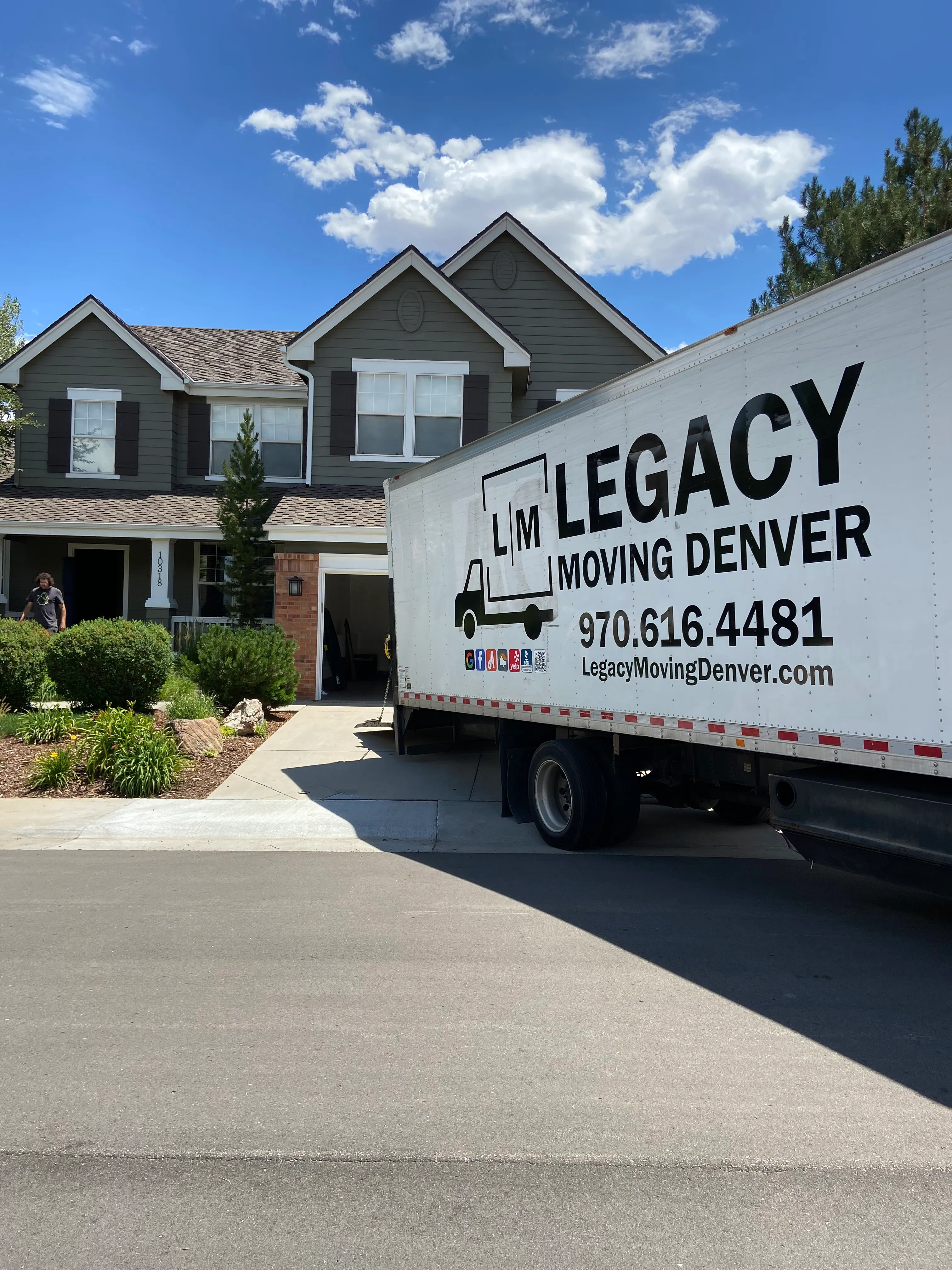
Denver winters are beautiful but unpredictable. One day you're enjoying 60-degree sunshine, and the next morning there's eight inches of fresh snow on the ground. This dramatic weather variability makes winter moving in Denver particularly challenging. While some people think moving during winter months means cheaper rates and more availability—and they're partly right—winter moves also demand careful planning, special techniques, and realistic expectations.
I've coordinated hundreds of winter moves throughout the Denver metro area, from mild December days to blizzard conditions in February. Some moves go off without a hitch, while others require quick thinking and backup plans. The difference almost always comes down to preparation. This guide shares everything you need to know to execute a successful winter move in Denver, whether you're tackling it yourself or working with professional movers.
Understanding Denver's Winter Weather Patterns
Denver's weather patterns are uniquely challenging for moving. Unlike Midwest cities where winter means consistently cold temperatures, or mountain towns where heavy snow is constant, Denver experiences wild fluctuations that make planning difficult.
The Front Range location creates microclimates throughout the metro area. Boulder might be sunny while Denver is snowing. Highlands Ranch could be clear while Thornton is buried in eight inches. These localized weather patterns mean you can't assume conditions will be the same at your origin and destination, even if they're only 20 miles apart.
Denver's snow typically comes from two systems: upslope storms that bring heavy, wet snow, and Alberta Clippers that bring lighter, drier snow with bitter cold. Upslope storms are predictable once they develop—they settle in and snow for 12-24 hours. Alberta Clippers move through quickly but bring dangerous cold and can make roads treacherous. Knowing which type of storm is coming helps you decide whether to proceed with your move or reschedule.
The timing of snowfall follows patterns. Most significant snowstorms begin in the late afternoon or evening and continue overnight. This is why morning moves are generally more successful in winter—you're likely to have clear conditions early, with weather deteriorating as the day progresses. However, there are exceptions, and anyone planning a winter move needs to monitor forecasts carefully.
Chinook winds can raise temperatures 40 degrees in a few hours, turning snow to mud. While this sounds helpful, the mud can be worse than snow for moving. Tracking mud into a carpet causes more damage than snow, and muddy driveways become impassable for moving trucks.
Temperature extremes matter as much as snow. When temperatures drop below 10 degrees Fahrenheit, many materials become brittle. Plastic bins can crack, furniture finishes can be damaged, and even some packing materials lose their protective qualities. Cold also affects human performance—movers and homeowners working in extreme cold tire more quickly and make more mistakes.
Pre-Move Weather Monitoring and Contingency Planning
The foundation of a successful winter move is realistic planning that accounts for weather unpredictability. Starting with your move date selection, you need flexibility built in.
Choose your date strategically. If possible, avoid the statistically snowiest months in Denver—March and April. While you might assume January and February are worst, March actually sees Denver's heaviest snowfall historically. If you must move during peak winter, aim for early to mid-week dates. Weekend moves are popular, but if you schedule your move for a Tuesday or Wednesday, you have more flexibility to shift forward or back a day or two if weather threatens.
Build in buffer time. Don't schedule your move for the exact day your lease ends or your closing is scheduled. If possible, allow 2-3 days of flexibility on either end. This buffer gives you options if weather forces a delay. The stress of having no flexibility is much worse than the cost of a few extra days of overlap between homes.
Create a monitoring schedule. Starting one week before your move, check weather forecasts twice daily. Use multiple sources—the National Weather Service, Weather Underground, and local Denver news meteorologists often have different models and insights. Pay attention to snowfall predictions, temperature trends, and wind forecasts. Wind can turn a manageable snowfall into a dangerous whiteout.
Develop a trigger point for rescheduling. Decide in advance what weather conditions will cause you to postpone. Is it six inches of forecast snow? Temperatures below zero? Ice warnings? Having this decision made ahead of time prevents you from making emotional last-minute choices. Most professional moving companies have their own weather triggers for canceling or rescheduling moves—ask about their policies when booking.
Establish a communication plan. If you're using movers, confirm how they'll contact you about weather delays. Get direct phone numbers, not just the main office line. If you have helpers arranged, make sure everyone knows the backup date and how they'll be notified of any changes. The morning of your move, confirm everything before starting work, even if the forecast looks favorable—Colorado weather can change quickly.
Have backup plans ready. If your move must happen regardless of weather, identify what can be done in stages. Perhaps you move essential items on the scheduled day and return for the rest when weather improves. Maybe you move items into a temporary storage unit and then to your new home when conditions are better. These contingencies seem excessive until the day you need them.
Preparing Your Property for Winter Moving
The physical preparation of both your current and new properties is critical for winter moves. What works fine in summer can be dangerous in winter.
Pathway clearing is priority one. You need clear, safe paths from your door to where the moving truck will park. This isn't just about shoveling the walkway—you need to consider every step that will be taken while carrying heavy items. The pathway needs to be wide enough for furniture, cleared all the way to bare pavement or bare ground, and treated for ice.
Start clearing pathways the night before your move if possible. This gives you time to deal with any ice that forms overnight. Shovel thoroughly, removing all snow rather than just creating a path through it. Snow banks on either side of a narrow path can collapse and create hazards.
Ice management requires multiple approaches. Rock salt (sodium chloride) works well but stops being effective below 15 degrees Fahrenheit. For colder temperatures, use calcium chloride or magnesium chloride, which work to much lower temperatures. However, these chemicals can damage certain types of flooring and vegetation. Sand doesn't melt ice, but it provides traction. The best approach is usually a combination: ice melt product first to break up ice, then sand on top for traction.
Apply ice melt products several hours before your move if possible. They need time to work. Reapply as needed throughout the day—even with treated paths, moisture from foot traffic can refreeze quickly when temperatures are below freezing.
Protect your floors. Winter moves are hard on flooring because of the salt, sand, moisture, and debris tracked in. Start with heavy-duty floor protection. Cardboard runners work for light duty, but for a move, you need something more substantial. Ram board (heavy paper floor protection), plastic floor runners, or moving blankets secured with tape create much better protection.
At your new home, lay floor protection before any furniture arrives. At your current home, lay protection on the day of the move. The protection should cover the entire pathway from the entrance to every room being moved. Secure it carefully—loose floor protection becomes a slip hazard.
Place heavy-duty mats or towels at entrances for movers to wipe their feet. Have a boot brush available and encourage everyone to use it. Consider asking movers to wear boot covers, which are inexpensive and dramatically reduce the amount of salt and moisture tracked inside.
Driveway and parking considerations determine whether your move can proceed. Moving trucks are large and heavy. A suburban driveway covered in packed snow and ice may not support a truck safely. If your driveway slopes significantly, you'll need to consider whether a truck can safely navigate it in winter conditions.
For steep or icy driveways, you may need to park the truck on the street and carry items further. This increases the time and labor required. Discuss this with your moving company ahead of time. Some companies have smaller trucks that handle winter conditions better than full-size moving vans.
Confirm that your destination has parking space for a large truck. In established Denver neighborhoods with street parking, snow piles reduce available space. Your moving company may need to arrive early to secure parking or obtain parking permits that allow them to reserve space.
Heating and lighting adjustments help the process go smoothly. If temperatures are very cold, you may want to set your thermostat higher than usual. An open door means cold air pouring in constantly, and you'll be going in and out all day. The extra heating cost is worth keeping yourself and your movers comfortable enough to work effectively.
Ensure exterior lights are working. Winter moving often extends into evening hours due to shorter days and potential delays. Good lighting isn't just about convenience—it's a safety issue when people are carrying heavy loads on potentially icy paths.
If weather conditions deteriorate during your move, have a contingency plan for protecting items waiting to be loaded. A covered porch or garage can serve as a staging area. Tarps or moving blankets can protect furniture temporarily if it needs to sit outside during loading.
Protecting Your Belongings from Cold and Moisture
Cold and moisture present different risks than summer heat, and your packing strategies need to account for both.
Temperature sensitivity varies by item type. Electronics generally handle cold well as long as they're not powered on while cold—never turn on a TV or computer that's just been brought in from freezing temperatures. Let electronics acclimate to room temperature for several hours before using them. Condensation can form inside cold electronics when brought into warm spaces, and powering them on while this moisture is present can cause damage.
Wood furniture can crack in extreme cold, especially antiques or pieces with veneer. Upholstered furniture absorbs moisture, which can lead to mildew if items are packed wet. Leather furniture should be conditioned before a winter move—dry winter air and cold can cause leather to dry out and crack. Musical instruments, particularly wooden string instruments, are extremely sensitive to temperature and humidity changes.
Liquids are particularly problematic. Anything water-based can freeze and expand, bursting containers. Wine bottles can crack. Cleaning supplies, toiletries, and household chemicals need to be packed where they'll stay above freezing. If the moving truck will be parked overnight in freezing temperatures, these items need special handling.
Plants don't survive freezing temperatures. If you're moving in winter, plants need to be transported in heated vehicles, not in the moving truck. Small plants can ride in your personal vehicle. Larger plants may require special arrangements or might need to be given to friends until spring.
Moisture protection is essential. Snow and moisture are inevitable during winter moves. Furniture pads and moving blankets can get wet, reducing their protective value and potentially transferring moisture to your belongings. Plastic furniture covers or heavy-duty plastic sheeting provide a waterproof barrier. Wrap upholstered furniture and mattresses in plastic before applying moving blankets.
For items in boxes, the boxes themselves provide some protection, but heavily falling snow or rain can saturate cardboard boxes surprisingly quickly. Some moving companies use shrink wrap to seal entire stacks of boxes together with plastic protection. You can also use large garbage bags or tarps over box stacks. The key is ensuring no moisture can reach vulnerable items.
Plastic totes seem like an obvious solution for winter moves, but they have downsides. Plastic becomes brittle in extreme cold and can crack if bumped. Plastic totes are also very heavy when fully loaded, making them difficult to carry safely on icy paths. If you use plastic totes, don't fill them completely full, and handle them gently in cold weather.
Strategic loading order matters more in winter. Items that are temperature-sensitive should be loaded last and unloaded first, minimizing their time in the cold truck. Mattresses and upholstered furniture should be loaded in areas of the truck where they won't contact the cold exterior walls if possible. Electronics should be grouped together and marked for priority unloading.
Consider the conditions items will face at each stage. If furniture will sit on a covered porch before loading, that's less exposed than items sitting on an uncovered driveway. If boxes will be placed in an unheated garage at your new home before being unpacked, they need more protection than boxes going directly into heated spaces.
Managing the Moving Day Timeline in Winter Conditions
Timing is always important for moves, but winter adds urgency and constraints that demand careful schedule management.
Start early, really early. Winter days are short, and you want to maximize daylight hours. A move that starts at 8:00 AM gives you eight hours of daylight in December. Starting at 10:00 AM leaves you with only six hours before darkness complicates everything. Encourage movers to arrive as early as they can. If you're doing it yourself, start loading before dawn if necessary.
Morning starts also take advantage of typically better weather conditions. Most winter storms intensify in the afternoon and evening. Getting loaded before noon means you're most likely beating any developing storm system. Even if forecast says snow will start at 4:00 PM, winter weather rarely follows the exact predicted timeline. An early start builds in buffer time.
Build in extra time for everything. Every task takes longer in winter conditions. Walking is slower on icy paths. Loading takes longer when you're cold and being extra careful. Driving takes longer in snow or on icy roads. A move that would take six hours in summer might take eight or nine hours in winter.
Don't schedule anything else for moving day. Don't plan to return rental truck by a certain time, attend an appointment, or meet a deadline. Winter moves require flexibility, and tight schedules create stress and force rushed decisions that lead to injuries or damage.
Monitor conditions constantly. Keep checking weather updates throughout the day. Conditions can deteriorate rapidly, and you may need to make real-time decisions about pausing to wait out a snow squall, securing partially loaded items, or accelerating the process to beat incoming weather.
Plan for driving conditions. If your move involves traveling between cities or to mountain areas, road conditions become a major factor. Check Colorado Department of Transportation road conditions before departing. I-70 can close quickly in winter storms. Highway 285 to mountain areas becomes treacherous in snow. Even I-25 through Denver can have stretches with poor conditions when other areas are clear.
If you're driving your own vehicles in convoy with a moving truck, discuss the route beforehand. Identify where you'll stop if needed and how you'll communicate. The loaded moving truck will drive slower than your personal vehicle—don't get separated, and don't pressure the truck driver to go faster than conditions allow.
Allow extra driving time. A 30-minute drive might take an hour in snow. A two-hour drive to Colorado Springs or Fort Collins could take four hours in poor conditions. If you're moving a long distance from Denver, consider whether a winter drive is wise or if you should arrange for professional drivers experienced with winter mountain driving.
Create staging areas and warm-up spaces. Moving in cold weather is physically demanding. People need breaks to warm up. Set up a warm space with hot coffee, water, and snacks. This might be inside your current home until late in the move, or in a vehicle with the heater running. Warmth breaks aren't luxuries—they're necessary for safety and for maintaining the energy and focus needed to complete the move.
If temperatures are extreme (below 10 degrees), schedule more frequent breaks. Watch for signs of cold stress in yourself and anyone helping: shivering, numbness, confusion, or excessive fatigue. Frostbite can occur in less than 30 minutes when temperatures are below zero with wind.
Special Techniques for Loading and Transporting in Winter
Winter moving requires modified techniques for loading and transport. Standard procedures that work fine in summer can fail in winter conditions.
The loading ramp becomes treacherous in winter. Moving truck ramps get slippery from snow, ice, and moisture tracked on by people's boots. One slip while carrying furniture can result in serious injury and damaged belongings. Keep the ramp cleared and treated constantly. Sprinkle sand or ice melt on the ramp every 30 minutes or whenever you notice it becoming slick. Some professional movers carry rubber-backed carpet runners to place on ramps for traction.
Walk up and down the ramp without carrying anything several times to assess conditions. If it feels even slightly slippery, address it before carrying loads. When carrying items up or down the ramp, take small steps and move slowly. Don't rush, no matter how cold you are.
Securing loads in the truck requires extra attention. Temperature changes cause materials to expand and contract. Straps that feel tight when loaded in 30-degree weather might loosen when the truck interior warms up. Items loaded on a cold morning might shift during transport as temperatures change. Use more tie-down straps than you would in summer, and check them periodically if your move involves a long drive.
Blankets and pads can freeze if they get wet, making them stiff and less protective. Keep a set of dry blankets in reserve for particularly vulnerable items. If blankets become soaked from snow, swap them out rather than wrapping furniture with frozen blankets.
Tarps and plastic sheeting protect loads during transport. If you're doing your own move with a rental truck, realize that rental trucks are not perfectly sealed. Snow can blow in around doors. Covering your load with tarps or plastic sheeting provides insurance against moisture intrusion. This is especially important if you're parking the loaded truck overnight before unloading.
Temperature management in the truck is largely beyond your control—moving trucks aren't climate controlled. However, you can minimize temperature extremes. If the truck will be parked between loading and unloading, park it in a garage if possible, or at least somewhere sheltered from wind. Avoid parking in direct sun if temperatures are below freezing—the temperature differential between the sunny side and shaded side of the truck can be significant, and rapid temperature changes can damage some items.
Working Safely in Winter Conditions
Winter moving creates safety hazards that don't exist during other seasons. Awareness and preparation prevent injuries.
Slips and falls are the primary hazard. Ice is often invisible, especially black ice on cleared pavement. Areas that seem clear can have a thin layer of ice that's nearly impossible to see. Wear boots with excellent traction. Many people have winter boots that look great but have terrible traction. For moving day, function beats fashion. Consider ice cleats or traction devices that slip over boots—these are inexpensive and dramatically improve traction on ice.
Take small steps, especially when carrying items. Place your feet flat rather than walking on your heels. If you feel yourself slipping, drop what you're carrying and focus on not falling. No piece of furniture is worth a broken bone.
Be extra cautious on steps and ramps. These are already challenging when carrying awkward loads, and ice makes them dangerous. Clear and treat steps thoroughly before moving begins, and retreat them throughout the day.
Cold stress and hypothermia are real risks during long winter moves. Symptoms include uncontrollable shivering, confusion, fumbling hands, memory loss, slurred speech, and drowsiness. If anyone shows these signs, they need to get warm immediately. Remove any wet clothing, drink warm beverages, and warm up gradually.
Dress in layers you can adjust. You'll warm up quickly from the physical activity of moving, but you'll cool down fast during breaks. Having layers you can add and remove helps regulate body temperature. Avoid cotton clothing, which loses its insulating ability when damp. Synthetic materials or wool are better choices.
Keep hands covered, but regular gloves are difficult to work in. Many professional movers use gloves specifically designed for moving—these provide warmth and protection while maintaining dexterity. Your hands are essential tools during a move, and cold, numb hands can't grip safely.
Vehicle safety requires preparation. If you're driving your own vehicles during the move, ensure they're winter ready. Check tire pressure (which drops in cold weather), ensure you have good tread, carry an emergency kit with blankets, water, snacks, phone chargers, and a shovel. Keep gas tanks at least half full—if you get stuck, you'll need fuel to run the heater.
If driving a rental truck you're not familiar with in winter conditions, take time to understand how it handles. Trucks drive very differently than cars, especially in snow and ice. They take longer to stop, are more susceptible to wind, and can slide more easily. Allow extra following distance, brake gently, and don't make sudden movements.
Know when to stop. There's a point when conditions become too dangerous to continue. If visibility drops below a quarter mile, roads become ice covered, or conditions are deteriorating rapidly, it's time to pause. Find a safe place to secure your truck and wait out the worst conditions. It's far better to delay a few hours than to risk an accident.
Hiring Professional Movers for Winter Moves
Professional movers experienced with Denver winters bring equipment, expertise, and insurance that dramatically reduce winter moving risks.
Not all moving companies handle winter moves equally well. When researching movers for a winter move, ask specific questions: How many winter moves do they complete? What winter equipment do they carry? What's their policy for weather delays? Do they charge for weather-related delays? What happens if they can't complete the move on the scheduled day?
Companies experienced with Denver and Colorado mountain moves understand the challenges. They've dealt with sudden storms, icy conditions, and the unpredictability of Front Range weather. This experience translates to better preparation, better equipment, and better problem-solving when issues arise.
Winter moving equipment makes a significant difference. Professional movers equipped for winter carry ice melt, sand, shovels, backup tarps and plastic sheeting, extra blankets that can get wet without ruining their inventory, and floor protection designed for moisture. They should have vehicles with good tires and winter driving equipment. Some companies have trucks with enclosed ramps to keep loading areas dry.
Insurance considerations are more important in winter. Ice, snow, and cold create more opportunities for damage. Ensure you understand what coverage your moving company provides and what exclusions exist. Many homeowner's or renter's insurance policies cover belongings during moves, but confirm this before your move. Consider additional moving insurance for winter moves, especially if you have valuable or fragile items.
Ask about the moving company's weather cancellation policy. Who decides if conditions are too dangerous? If they cancel due to weather, when will they reschedule? Is there a charge for weather delays? Understanding these policies before booking prevents surprises.
Winter often means better availability and sometimes better rates. Peak moving season runs May through September. November through March see much less demand. This means moving companies have more availability, can be more flexible with scheduling, and sometimes offer winter discounts. However, you're balancing this advantage against the challenges of winter weather.
If you're considering a winter move partly due to cost, factor in potential additional costs: extra floor protection, longer move times (if you're paying hourly), potential additional trips if weather forces splitting the move across multiple days, and potential storage costs if your move timing gets disrupted.
Companies offering residential moving services throughout Denver's winter season should demonstrate their winter preparedness. Look for companies with strong local reputations, as these firms have succeeded by mastering Denver's seasonal challenges.
Specific Challenges for Different Types of Winter Moves
Different types of moves face distinct winter challenges in the Denver area.
Local moves within the metro area face less driving risk but still deal with property access challenges. The advantage of local moves is flexibility—if conditions deteriorate mid-move, you can pause and return later. You can make multiple trips if necessary. However, you're still dealing with potentially icy driveways, snowy sidewalks, and cold conditions at both locations.
For moves within Denver or to nearby suburbs like Aurora, Lakewood, or Thornton, the driving distance is manageable even in snow. The bigger challenge is often parking and access at both properties. Denver neighborhoods with narrow streets and limited parking become especially challenging when snow piles reduce available space.
Long-distance moves departing from Denver face significant challenges if they involve mountain driving. If you're moving to mountain communities or passing through mountain areas to reach your destination, winter weather can close roads entirely. I-70 westbound from Denver closes several times each winter due to weather. Highway 285 to southwestern Colorado can become impassable.
For long-distance moves in winter, professional movers with experienced drivers are almost essential. They understand how to handle loaded trucks on mountain passes, when conditions are too dangerous to proceed, and how to secure loads for long drives in changing conditions. They also have backup plans and the ability to store your belongings safely if weather forces delays.
Moves into or out of downtown Denver high-rises have unique winter complications. Street-level access becomes difficult when snow narrows already tight downtown streets. Many buildings require scheduling loading dock access in advance, and winter weather delays can cascade through the day's schedule, affecting your reserved time.
Building lobbies and hallways require extensive floor protection for winter moves. The moisture and salt tracked in can damage marble or tile floors, and buildings may hold you financially responsible. Some downtown buildings have regulations about moving during certain hours or days specifically to avoid winter complications.
If you're moving into or out of a downtown Denver location during winter, communicate early and extensively with building management. Confirm their winter requirements, their weather policies, and their expectations for floor protection and cleanup.
Apartment moves are very common in Denver during winter since many leases follow academic calendars or end on December 31st. Apartments present specific challenges: stairs become ice-covered and dangerous, narrow hallways track moisture throughout buildings, shared spaces mean you need to be extra careful about floor protection, and parking is often limited without snow piles reducing it further.
For apartment moves, arrive extra early to secure parking and begin ice/snow clearing. Have extensive floor protection ready. Communicate with your landlord about any challenges with access or safety concerns. Take photos before your move documenting the condition of common areas—you don't want to be blamed for damage caused by someone else's winter move.
Emergency Scenarios and How to Handle Them
Even with perfect planning, winter moves can encounter emergencies. Knowing how to respond keeps minor problems from becoming disasters.
Sudden weather deterioration is the most common emergency. You're halfway loaded when heavy snow begins earlier than forecast, or the temperature drops and everything becomes ice. First, assess whether to continue or pause. If conditions are dangerous, pause. Secure what's already loaded, cover it with tarps, and take shelter. Weather systems in Denver often move through quickly—a 1-2 hour pause might allow you to resume safely.
If you must continue despite deteriorating conditions, prioritize safety over speed. It's better to take an extra three hours moving carefully than to rush and end up with injuries or accidents. Ask for help—call additional people to assist, creating relay teams that can move items in shorter distances so no one spends extended time in harsh conditions.
Truck access problems can derail your move. The driveway you thought was clear turns out to be too icy for a heavy truck to safely navigate. The street parking you planned on is blocked by snow piles or another vehicle. In these scenarios, you need alternatives quickly. Can you park further away and carry items a longer distance? Is there a neighbor who would allow you to use their driveway temporarily? Would a smaller truck work better?
Some moving companies carry plywood sheets to lay on snow or grass to create temporary paths for trucks. If your professional movers encounter access problems, they likely have solutions—trust their experience. If you're moving yourself and encounter access problems, don't try to force a truck into an unsafe position. It's better to make a longer carry than to get a truck stuck or cause property damage.
Equipment failures happen more often in cold weather. Truck ramps can freeze. Dolly wheels can seize up. Straps can become brittle. If equipment fails, don't improvise unsafe alternatives. Either get replacement equipment or pause until proper equipment is available. Many hardware stores rent moving equipment, and many professional moving companies can provide emergency equipment rentals or replacements.
Injuries require immediate attention. Any slip or fall on ice should be assessed immediately for injuries. Anyone who hits their head needs medical evaluation, even if they seem fine. Hands and fingers are vulnerable during moves—crush injuries, cuts, and smashed fingers are common. Have a first aid kit readily available. For serious injuries, call 911 without hesitation. A broken bone or serious cut requires emergency care, not attempts to tough it out and finish the move.
Vehicle accidents or breakdowns in winter weather are serious situations. If your moving truck or personal vehicle breaks down or is in an accident, everyone's safety is the priority. Get to a safe location, call for help, and secure your belongings. Most moving insurance policies cover belongings if the truck is in an accident, but document everything with photos.
If weather has made roads impassable and you're stuck between locations with a partially loaded truck, find safe shelter and wait for conditions to improve. Being delayed overnight is frustrating and inconvenient, but it's infinitely better than the alternatives. Ensure everyone has warm clothing, water, food, and phone charges. Keep someone at both the origin and destination informed of the situation.
Making the Final Decision: Move or Postpone?
The hardest decision in winter moving is often whether to proceed on schedule or postpone. This decision should be made with realistic assessment of risks versus consequences.
Factors favoring proceeding with the move include: forecast shows conditions improving later in the day, minor snow (under 3 inches) with temperatures above freezing, good access at both locations with minimal ice/snow risks, experienced professional movers with proper equipment, flexibility in timeline so you can extend into the next day if needed, and no high-value or temperature-sensitive items that would be at risk.
Factors favoring postponing include: forecast shows deteriorating conditions or major storm approaching, significant ice or temperatures below zero, access problems at either location (steep icy driveways, poor parking), inexperienced helpers or DIY move without proper equipment, tight timeline that doesn't allow for weather delays, and many fragile or temperature-sensitive items.
Financial considerations shouldn't override safety, but they're real. Postponing might mean paying for additional days of overlap between homes, rebooking movers (potentially with fees), taking additional time off work, or missing a closing date. These costs should be weighed against the increased risks and potential costs of damage, injuries, or accidents that are more likely in poor weather.
If you have a contract with movers, review their weather cancellation policy. Many companies allow weather postponements without penalty if reasonable notice is given. Some companies make the cancellation decision themselves when conditions are dangerous—this protects both you and them.
For moves that cannot be postponed regardless of weather, extra precautions become mandatory. This might include: hiring professional movers regardless of cost, paying for extra help to speed up the process, arranging for extensive floor and pathway protection, having heated storage available as an intermediate step, and preparing for the move to extend over multiple days if necessary.
Sometimes external factors make postponing impossible—closing dates that can't be changed, leases that are ending, work start dates that can't be moved. In these situations, acknowledge the constraints and plan accordingly with multiple contingencies.
Recovery and Assessment After a Winter Move
Once your winter move is complete, there are additional steps specific to winter conditions.
Inspect all items for winter-related damage. Look for water damage from snow or moisture exposure, cracks in wood or leather from extreme cold, condensation in electronics, warping or cracking in plastics, and damage to boxes or packing materials that could have affected contents. Document any damage with photos immediately. Most moving insurance claims need to be filed within specific timeframes.
Allow items to acclimate to indoor temperatures. Don't rush to set up electronics or plug things in. Items that have been in freezing temperatures can have condensation form inside them when moved to heated spaces. Let electronics sit at room temperature for several hours before powering them on. Wood furniture should acclimate for a day or two before you assess it for damage—sometimes cracks from cold will close back up as the wood warms and expands.
Address floor damage immediately. Salt and moisture can cause surprising damage to floors if left untreated. Clean all floors thoroughly, removing all floor protection and cleaning any salt residue. Wood floors may need conditioning after exposure to salt and moisture. Carpets might need professional cleaning if they got wet or had significant salt tracked in.
Properly dry and store moving blankets and equipment. Blankets, pads, and tarps that got wet during the move need to be dried thoroughly before storage or they'll develop mildew. If you rented equipment like furniture dollies or hand trucks, clean them thoroughly before returning them—you're often charged for equipment returned dirty.
Review what worked and what didn't. Winter moving is a learning experience. Make notes about what strategies worked well and what you'd do differently. If you postponed and the alternative date worked better, remember that flexibility saved you stress. If you pushed through despite weather and everything turned out fine, you'll have more confidence for future winter moves. If problems occurred, understanding what went wrong helps you avoid similar issues in the future.
Long-Term Benefits of Winter Moving
Despite the challenges, winter moving has legitimate advantages that might make it the right choice for your situation.
Cost savings can be significant. Moving companies often offer 20-30% discounts during winter months compared to summer peak season. If you're able to move on a weekday in January or February, you might find the best rates of the entire year. These savings can offset additional costs for ice melt, extra floor protection, or other winter-specific needs.
Availability and flexibility are much better in winter. In summer, booking movers on short notice is difficult or impossible. In winter, you can often book with just a few days' notice. If you need to reschedule due to weather, companies have more flexibility to accommodate you. For people with unpredictable work schedules or situations requiring quick moves, winter can actually be easier despite the weather.
Less competition for housing means more options and sometimes better prices. Fewer people are moving, so you face less competition when house hunting or apartment shopping. Landlords and sellers may be more willing to negotiate when fewer buyers and renters are actively looking.
Building your resilience by successfully managing a challenging winter move builds confidence. You'll never worry about future moves quite as much. You'll have developed problem-solving skills and proven to yourself that you can handle difficult situations. For families, successfully navigating a winter move together can be a bonding experience.
Making Your Winter Move Successful
Moving during Denver winters requires respect for the conditions, realistic planning, proper equipment, and often professional help. The unpredictability of Colorado winter weather means flexibility is your most important asset.
Whether you're moving across town or leaving Denver for a new city, winter moves can succeed when approached with the right strategies. The key is balancing the very real advantages of winter moving—better rates, more availability, more housing options—against the very real challenges of snow, ice, and cold.
Professional movers experienced with Denver winters bring equipment, expertise, and insurance that can transform a potentially risky DIY move into a smooth transition. They understand that some days are simply too dangerous for moving and have the flexibility to reschedule. They carry the specialized equipment that makes winter moving safer. Perhaps most importantly, they bring experience from hundreds of previous winter moves.
If you're facing a winter move in the Denver metro area, start planning early, build in flexibility, prepare thoroughly, and don't hesitate to call professionals for guidance or help. The moving company that successfully navigates Denver summers, winters, and everything in between will have the expertise to make your winter move as smooth as conditions allow.
Winter moving in Denver is challenging but entirely manageable with the right preparation and approach. Thousands of families and businesses move successfully during Colorado winters every year. With proper planning, realistic expectations, and smart decisions about when to proceed and when to wait for better conditions, your winter move can be just as successful as a summer move—and might even be less stressful thanks to lower demand and more personalized attention from your moving team.
Helpful Resources & Services
Our Services
Areas We Serve
Ready to Get Started?
Get a free, no-obligation quote from Denver's most trusted moving professionals. We're here to make your move stress-free!
Available Monday-Saturday, 8:00am - 6:00pm • Contact Us