
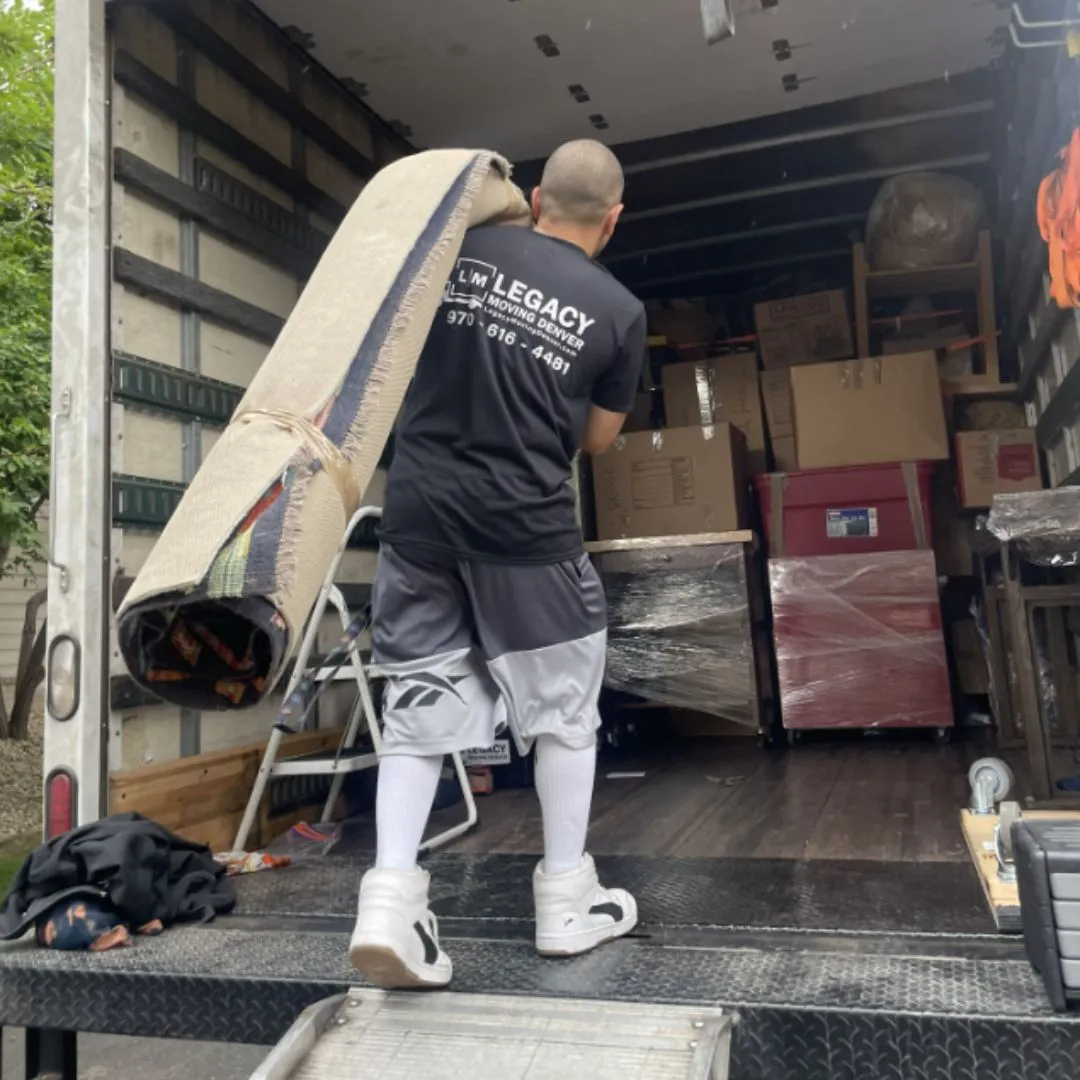
Moving a home office is way more complicated than most people realize until they're in the middle of it. You're not just moving furniture and boxes—you're relocating your entire workspace, all your equipment, important files, and somehow you need to stay productive through the whole thing.
I've helped dozens of remote workers and business owners move their home offices around the Denver area, and I can tell you: the people who plan ahead have a completely different experience than the people who just wing it. The difference between a smooth transition and total chaos usually comes down to about two weeks of prep work.
So let's talk about how to actually do this right. Whether you're moving across Denver, to Aurora or Lakewood, or even making a long-distance move to Colorado, I'm going to walk you through everything you need to know to keep your business running and your equipment safe.
Start With a Complete Home Office Inventory
Before you pack a single thing, you need to know exactly what you have. And I mean everything—not just the obvious stuff like your computer and desk.
Here's what I tell people: Spend an afternoon (yes, a whole afternoon) walking through your home office and making a detailed list. Take photos of everything, especially how things are set up and connected. Trust me, when you're trying to remember how your cable management worked or which monitor goes where, those photos will be worth their weight in gold.
What to Include in Your Inventory:
- Computers and peripherals - Desktop, laptop, monitors (including serial numbers), keyboard, mouse, webcam, speakers
- Networking equipment - Router, modem, switches, mesh network nodes, ethernet cables
- Storage devices - External hard drives, NAS devices, USB drives (yes, even the random ones in your drawer)
- Printers and scanners - Plus all the extra ink cartridges and paper you've stockpiled
- Office furniture - Desk, chair, shelving, filing cabinets, standing desk converters
- Small items that disappear easily - Chargers, adapters, dongles, cables, styluses, headphones
- Paper files and documents - File boxes, binders, important papers
- Office supplies - Staplers, hole punches, pens, sticky notes (don't laugh, people forget this stuff)
Pro tip: Create a spreadsheet or use a note-taking app to track everything. Include serial numbers for expensive equipment—you'll need this for insurance purposes if anything goes wrong, plus it makes setup at the new place way easier.
Back Up Everything (And I Mean Everything)
Okay, real talk: If you're not backing up your data before a move, you're playing with fire. Even professional movers can't guarantee nothing will ever go wrong, and your data is way more valuable than any piece of equipment.
Here's my backup strategy that I recommend to everyone:
The Triple-Backup Approach
1. Cloud Backup (Your Safety Net)
Upload everything to cloud storage before moving day. I don't care if you use Dropbox, Google Drive, OneDrive, or BackBlaze—just make sure you've got a complete backup in the cloud. This is your disaster recovery plan if something catastrophic happens.
Start this at least a week before your move. A full backup can take days if you have a lot of data, and you don't want to be rushing this the night before the movers show up.
2. Physical Backup (Your Quick Recovery)
Get an external hard drive (or two) and create a complete backup of everything. Keep this drive with you during the move—never pack it with your other stuff. Throw it in your car, your backpack, whatever. Just don't let it out of your sight.
This is your quick recovery option if your main computer gets damaged or lost. You can get up and running on a new machine in hours instead of days.
3. Important Documents (Separate from Everything)
Make copies of truly critical documents—contracts, financial records, passwords, license keys. Put these in a separate folder that travels with you, not with the moving truck.
Packing Your Technology the Right Way
This is where a lot of people mess up. You can't just throw your computer in a box with some bubble wrap and hope for the best. Electronics need special care, especially in Colorado's dry climate and with Denver's elevation changes.
Computers and Monitors
If you still have the original boxes your equipment came in, use those. They're literally designed for shipping these items. No original boxes? Here's what to do:
For Desktop Computers: Remove any heavy components like graphics cards or hard drives if you're comfortable doing so. These can come loose during transport and damage other components. Wrap the computer tower in anti-static bubble wrap, then pack it in a box with plenty of cushioning on all sides.
For Monitors: Wrap each monitor in a moving blanket or bubble wrap. Pack them standing up (not flat) in boxes with cardboard between them if you're packing multiple monitors together. Never stack heavy items on top of monitor boxes.
For Laptops: Back up everything, then shut down completely (don't just sleep mode). Pack in a padded laptop bag or wrap well and place in a small box. Keep this with you if possible rather than putting it in the moving truck.
The Cable Management Strategy That Actually Works
Here's where those photos from your inventory come in handy. Before you unplug anything:
- Take photos of how everything is connected
- Label each cable with what it connects to (use masking tape and a sharpie)
- Bag related cables together (all monitor cables in one bag, power cables in another, etc.)
- Pack cables in clear plastic bags so you can see what you have
- Keep all cables together in one box labeled "OFFICE CABLES - OPEN FIRST"
Seriously, spend the extra 30 minutes doing this. Future you, standing in your new office trying to figure out which cable goes where, will be incredibly grateful.
Organizing Physical Files and Documents
Paper files are simultaneously the easiest and most annoying thing to move. They're heavy, they're bulky, and they're important enough that you can't just throw them in random boxes.
Use File Boxes: Get actual file boxes (the kind with handles) from an office supply store or ask your moving company if they have them. These are designed to hold the weight of files without falling apart.
Keep Files Organized: Don't just dump everything into boxes. Keep your filing system intact. If you use hanging file folders, leave them in the folders. Label each box with general contents ("Client Files A-M," "Tax Documents 2020-2024," etc.).
Separate Active vs. Archive: Files you need immediately should be clearly marked and packed last so they're first off the truck. Archive files that you barely touch can go in the storage unit or garage for a while if needed.
Setting Up Internet and Phone Service at Your New Place
This is critical and people always underestimate how long it takes. Internet service providers in Denver (Xfinity, CenturyLink, Quantum Fiber, etc.) typically need 1-2 weeks notice to schedule installation.
Your Internet Game Plan:
Three Weeks Before Move: Research what providers service your new Denver address. Check reviews and speeds. Order service and schedule installation for as close to move-in day as possible, or even a few days before if you can access the property.
Two Weeks Before Move: Contact your current provider to schedule disconnection (but not until after you've moved). See if you can take your equipment with you to the new place if it's compatible.
Backup Plan: Have a mobile hotspot ready. Whether it's your phone plan's hotspot feature or a dedicated device, you need a backup for the inevitable day or two gap in service. This is especially important if you have work deadlines.
Planning Your Workspace Layout in the New Place
Before moving day, you should know exactly where everything is going in your new office space. Measure the room, draw a floor plan, and decide where your desk, filing cabinets, and shelving will go.
Things to Consider:
- Natural light sources and glare on monitors
- Electrical outlet locations (you probably need more than you think)
- Internet connection point (where the router will go)
- Door swing and traffic flow
- Noise levels if you take calls
- Storage accessibility
Pro tip: If you're moving to an apartment or condo in downtown Denver, check HOA rules about noise and business operations. Some have restrictions on running businesses from home, especially if you have clients visiting.
The Week Before Moving Day
This is when you need to start winding down work as much as possible to focus on the move.
Notify clients and colleagues: Let people know you'll have limited availability around moving day. Set up an auto-responder for your email. Clear your calendar of anything that's not absolutely critical.
Create your "essentials" kit: Pack a box or bag with everything you'll need to work on moving day and the day after. This includes:
- Laptop and charger
- Phone charger
- Headphones
- Important papers
- Pens and notepads
- Your backup hard drive
Finish any time-sensitive work: Don't count on being productive the week of your move. Get ahead on deadlines before moving week starts.
Working With Professional Movers on Office Equipment
When you get quotes from moving companies, be specific about your home office equipment. Not all movers have experience with delicate electronics or know how to handle expensive equipment properly.
Tell your movers about:
- Expensive computer equipment and its value
- Monitors (how many and their sizes)
- Any particularly heavy items (like loaded filing cabinets)
- Standing desks or adjustable furniture
- How much you'll pack yourself vs. what they'll pack
Most local moving companies in Denver offer packing services specifically for electronics. It might be worth paying extra to have professionals pack your expensive equipment with the right materials and techniques.
Moving Day Strategy for Minimum Downtime
On moving day itself, your goal is to get your office setup operational as quickly as possible while everything else can wait.
Priority #1: Internet
Get your internet router connected first. Even if nothing else is set up, having internet means you can work from your laptop anywhere in the house while the movers are still bringing stuff in.
Priority #2: One Work Station
Set up one basic work station—desk, chair, laptop or computer, and essential peripherals. This doesn't have to be perfect. Just functional enough to handle urgent emails or calls.
Priority #3: Files You Need This Week
Unpack the files and documents you marked as "immediate need." Everything else can wait a few days.
Everything Else Can Wait
Organizing your shelves, setting up your dual monitor arms, arranging your desk accessories—all of that can happen over the next week or two. Don't stress about making it perfect on day one.
Setting Up Your Office in the New Location
Once the movers are gone and you can actually focus, here's your setup sequence:
- Clean before unpacking - Wipe down surfaces, vacuum, and get the space clean before bringing equipment out of boxes
- Set up furniture - Desk, chair, shelving in their planned locations
- Route cables properly - Use those photos you took. Set up cable management now, not later
- Connect and test all equipment - Don't just plug things in, actually test that everything works
- Organize storage - Files, supplies, equipment storage
- Add personal touches last - Decorations, plants, artwork
Common Mistakes People Make (And How to Avoid Them)
Mistake #1: Not Testing Equipment Before Packing
If something doesn't work at the old place, you won't know if it broke during the move or was already broken. Test everything the day before you pack it.
Mistake #2: Packing Cables With Their Devices
Yes, it seems logical, but then you end up opening ten boxes looking for the right cable. Keep cables together in one labeled box.
Mistake #3: Forgetting About Software Licenses
Some software is tied to your specific computer or installation. Make sure you have license keys and know how to deactivate/reactivate if needed.
Mistake #4: Not Planning for Ergonomics
Just because your desk fit against one wall at the old place doesn't mean it's the best spot in the new one. Think about lighting, screen glare, and chair position before committing to a layout.
Mistake #5: Underestimating How Long Setup Takes
Everyone thinks "Oh, I'll be working normally the day after I move." No you won't. Give yourself at least 2-3 days to get fully set up and productive again. Block this time off your calendar.
Special Considerations for Denver Home Office Moves
A few things specific to moving a home office in the Denver area:
Altitude and Electronics: Denver's mile-high altitude can affect cooling on electronics. Make sure your new office space has good airflow, especially if you run powerful equipment that generates heat.
Dry Air and Static: Colorado's dry climate means more static electricity. Get an anti-static mat for your desk and maybe a small humidifier for your office to protect sensitive electronics.
Internet Speeds Vary by Neighborhood: Not all Denver neighborhoods have the same internet options. If you're moving to Highlands Ranch, Littleton, or Centennial, research what's available before you commit to a house or apartment.
Home Office Tax Deductions: If you're using part of your home as a dedicated office space, keep records of your move expenses. Some may be tax-deductible if you're self-employed or running a business.
The First Week in Your New Home Office
Don't expect to hit 100% productivity on day one. Here's a realistic timeline:
- Day 1-2: Basic setup, testing equipment, handling urgent work only
- Day 3-4: Getting into a routine, organizing storage, about 70% normal productivity
- Day 5-7: Fine-tuning workspace, back to normal work schedule
- Week 2: Fully operational, might still be making small adjustments
Be patient with yourself. It takes time to adjust to a new workspace, even if all your equipment is the same.
When to Call in Professional Help
Some situations really benefit from professional assistance:
- Expensive equipment - If you have a multi-monitor setup worth thousands, professional packing is worth it
- Server or network equipment - Specialized IT equipment should be handled by people who know what they're doing
- Time-sensitive moves - If you can't afford any downtime, hire professionals to pack and set up your office
- Complex setups - Studios, editing bays, or workspaces with specialized equipment
The cost of professional help is way less than replacing broken equipment or losing days of productivity because something went wrong.
Final Thoughts: Plan More Than You Think You Need To
Here's the truth about moving a home office: It's going to take longer and be more complicated than you think, even with good planning. But with the strategies I've laid out here, you can minimize the chaos and get back to work way faster than if you just wing it.
Start planning at least a month before your move date. Create that inventory. Back up everything. Label your cables. Set up internet early. Keep essential equipment with you. And give yourself grace when things don't go perfectly—they never do.
The goal isn't perfection. The goal is getting from point A to point B with all your equipment intact and your business still running. Everything else is just details you can sort out over time.
Need Help Moving Your Home Office?
We've helped countless remote workers and business owners relocate their offices safely. Get a free quote and let's talk about the best way to move your equipment.
Call (720) 340-1849