
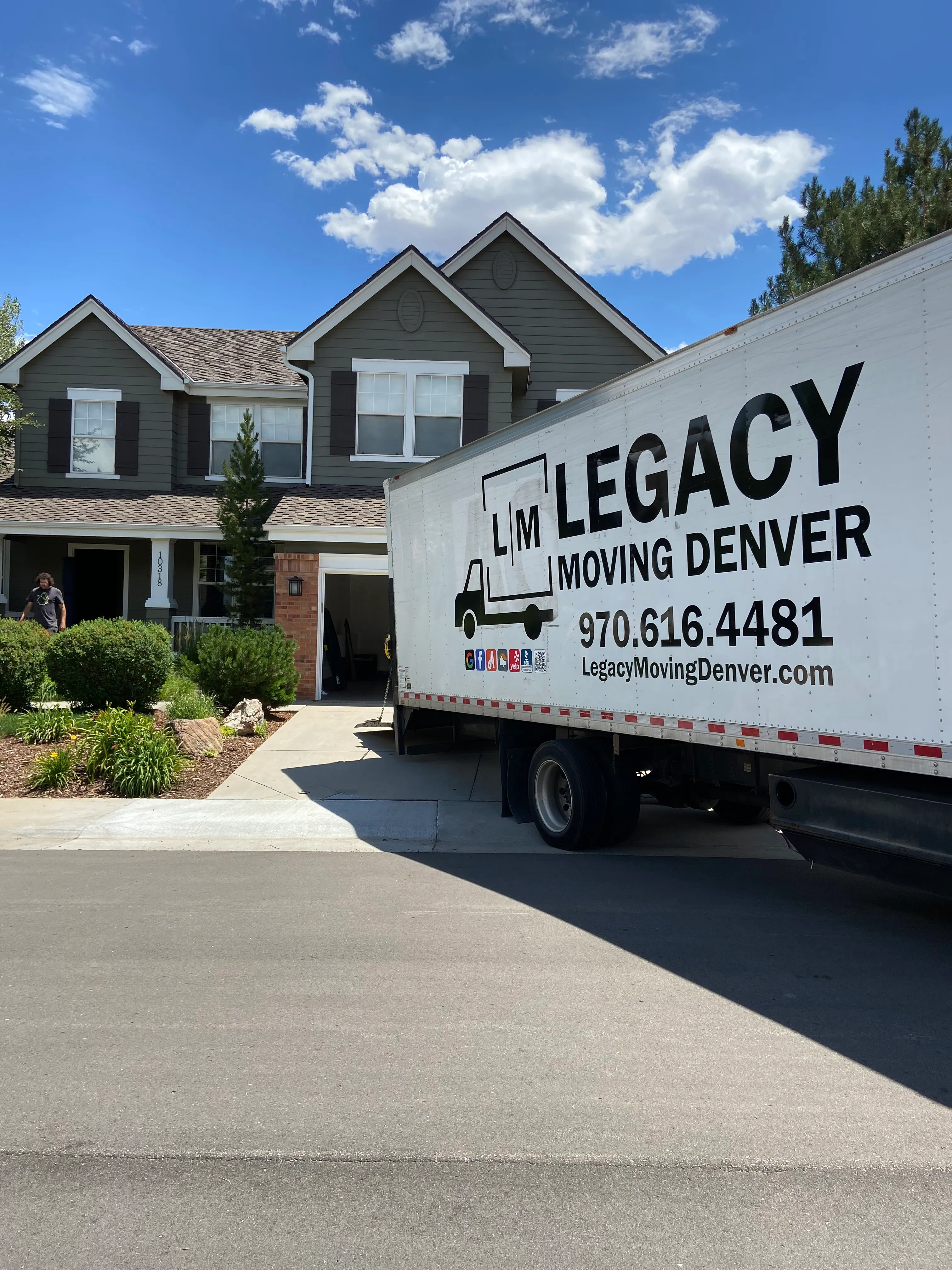
You've spent weeks or months preparing for your move. Boxes are packed, furniture is ready, and moving day is tomorrow. The night before your move might seem like time to relax, but it's actually one of the most critical periods in your entire moving process. What you do—or don't do—in these final 12-18 hours largely determines whether your moving day goes smoothly or dissolves into chaos.
After supervising hundreds of moves throughout the Denver metro area, I can tell you with absolute certainty: families who take the night before seriously have dramatically better moving day experiences than those who don't. This isn't about doing more packing—by the night before, packing should be essentially complete. This is about final coordination, strategic setup, and creating conditions for success. This guide walks you through exactly what needs to happen the night before your move to ensure everything goes as smoothly as possible.
The Final Confirmation Protocol
The night before your move, you need to confirm every arrangement you've made. Plans change, details get forgotten, and miscommunications surface. Confirming everything now prevents tomorrow's disasters.
Call your moving company to reconfirm your appointment. This call should verify exact pickup time and location, confirm pickup and delivery addresses are correct, verify payment method and amount, review any special instructions or challenging items, and confirm contact information for the crew supervisor or dispatch. Ask what time you should expect them to arrive—not just the scheduled time, but realistically, considering their schedule. If you're the first job of the day, they'll likely arrive on time. If you're the second or third job, they might be delayed by previous jobs.
Professional movers appreciate customers who call the night before because it gives both parties a chance to catch any errors or miscommunications before they cause problems. Don't worry about bothering them—good moving companies expect and welcome confirmation calls.
If you're moving into a building with restrictions (apartment complex, high-rise, HOA community), confirm those arrangements as well. Call building management if your move requires elevator reservations, loading dock access, or parking permits. Verify that all paperwork has been processed, confirm the move-in window you reserved, ensure building management has your moving company's insurance certificate if required, and verify procedures for moving day check-in.
Denver has many neighborhoods and buildings with specific moving restrictions. Historic districts might have street closure limitations. Downtown buildings have complex logistics. Suburban HOAs often restrict moving to specific days and times. Confirming these details the night before ensures you're not arriving tomorrow morning only to discover your elevator reservation was never processed.
Verify parking arrangements for your moving truck. If you're in a Denver neighborhood with street parking restrictions, confirm your parking permits are obtained and properly displayed. If you need to reserve street space, place cones or barriers (where legally permitted) the night before. Some neighborhoods require 48-hour advance notice for parking restrictions—ensure you've met those requirements.
If friends or family are helping with your move, call or text each person the night before to confirm. Verify what time they're arriving, remind them of the address, and let them know what to expect. People's plans change, and discovering someone can't help is much easier to manage the night before than when they simply don't show up in the morning.
Check weather forecasts for moving day. Denver weather is notoriously unpredictable. A forecast showing clear skies in the morning but thunderstorms in the afternoon means you might want to ask movers to arrive earlier if possible. Snow forecast means preparing ice melt, shovels, and extra floor protection. Extreme heat means planning for hydration and breaks. Wind advisories might affect how items are loaded and covered in the truck.
Look at forecasts for both your current location and your destination if they're in different areas. The weather in downtown Denver can be completely different from conditions in Boulder, Highlands Ranch, or mountain communities. If you're moving from the metro area to the mountains or vice versa, check road conditions as well—I-70 and other mountain routes can close quickly in winter.
Completing Your Final Packing
By the night before your move, you should be 98% packed. The 2% that remains consists of items you'll use the evening before and morning of your move.
Pack your overnight essentials box. This should contain everything you need for the evening, night, and morning before movers arrive: toiletries you'll use tonight and tomorrow morning, pajamas and clothes for tomorrow, phone chargers (you'll need fully charged phones tomorrow), medications you take at night and in the morning, any sleep aids or comfort items you need, and alarm clock if you don't rely on your phone.
This box stays with you—it doesn't get loaded on the truck until you're absolutely done with it in the morning, or you might keep it in your car to take to your new home separately.
Prepare tomorrow morning's breakfast and coffee supplies. You need to eat before a physically demanding day, but your kitchen will be packed. Set aside: coffee and coffee maker (or plan to buy coffee), simple breakfast items (cereal and milk, granola bars, fruit), disposable plates, cups, and utensils if needed, water bottles for everyone, and snacks for throughout the day.
Pack these items separately and clearly label them "OPEN FIRST - BREAKFAST" so they're not buried in the truck. Alternatively, keep them in your vehicle to ensure access.
Do a final walk-through of your home looking specifically for items you might have forgotten. Common overlooked items include: things in bathroom medicine cabinets and under sinks, items stored on high closet shelves, garage and outdoor storage items, things in basement nooks or crawl spaces, decorations above cabinets or on high shelves, items in vehicles (garages, truck beds), outdoor equipment (hoses, tools, lawn equipment), and valuable stored in safes or hidden places.
Check behind doors, under furniture, and in corners. Look in every cabinet and drawer even if you think they're empty. Finding forgotten items the night before is inconvenient but manageable. Finding them weeks after you've moved is frustrating or impossible.
Pack your moving day survival kit. This large box or bag should be clearly marked and kept accessible. It should include: all-purpose cleaner and paper towels, trash bags (multiple sizes), basic tool kit (screwdrivers, hammer, utility knife, tape measure), duct tape and packing tape, box cutter or scissors, phone chargers and power strips, first aid kit, snacks and drinks for everyone, cash for tipping movers and unexpected expenses, and important documents you're keeping with you.
This kit stays accessible throughout moving day. You'll reference it repeatedly, so don't let it get loaded on the truck until the very end, if at all. Many people keep this kit in their personal vehicle.
Set aside items for personal transport. Some things should never go on a moving truck: jewelry and valuables, important documents (passports, birth certificates, financial records), laptops and electronics with sensitive data, medications, cash, checkbooks, and credit cards, family heirlooms and irreplaceable items, and items needed immediately upon arrival at your new home.
Pack these items in your personal vehicle or designate a specific area where they're clearly separated from items that will be loaded on the truck. Put a sign on this area: "DO NOT LOAD - PERSONAL TRANSPORT." Communicate this to your movers when they arrive.
Preparing Your Home for Tomorrow's Move
Physical preparation of your home the night before creates optimal conditions for efficient loading.
Clear pathways completely. Walk the route movers will take from each room to the exit. Remove any obstacles: rugs or floor mats that could be tripping hazards, furniture that's not being moved, decorations or items on walls near doorways, anything on floors that could be stepped on or tripped over, and children's toys or pet items.
The path should be completely clear and wide. Movers carrying large items need space to navigate safely. Every obstacle slows the process and increases risk of damage or injury.
Lay floor protection if you're responsible for it. Many people lay cardboard runners, plastic floor protectors, or moving blankets on high-traffic areas to protect floors from damage, dirt, and moisture. This is especially important in Denver during winter when salt, snow, and mud are tracked in constantly, or during spring and fall when rain makes entryways muddy.
Focus protection on: main entrances and exits, hallways to bedrooms, kitchen pathways, and stairs if you have them. Secure the protection with tape so it doesn't shift and become a tripping hazard.
Prepare appliances for moving. If major appliances are being moved, they need preparation: Refrigerators should be emptied, defrosted, cleaned, and dried with doors secured open or closed per mover instructions. Washing machines need hoses disconnected and drums secured. Dryers need vents disconnected. Gas appliances might need professional disconnection—ensure this is scheduled ahead.
Most moving companies won't move appliances that aren't properly prepared. If you're unsure how to prepare appliances, consult your movers or appliance manuals. Some companies offer appliance preparation services for additional fees.
Disassemble furniture that comes apart. Beds should be disassembled with all hardware placed in labeled bags taped to bed frames. Tables with removable legs should have legs removed. Large mirrors should be removed from dressers if they detach. Any furniture that can be broken down into smaller components should be prepared.
Keep assembly hardware organized. Use ziplock bags for screws and small parts, label each bag with what it belongs to, and tape bags to the furniture piece or keep them together in one box labeled "FURNITURE HARDWARE."
Protect walls and doorways in areas where large furniture will be moved. Corner protectors, moving blankets, or even cardboard can protect walls and door frames from accidental bumps and scrapes. Most professional movers bring their own protection, but adding your own provides extra insurance.
Take photos of your home's condition. Walk through every room photographing floors, walls, and overall condition. These photos protect you if there are disputes with landlords about damage or if you're selling and issues arise during final walkthrough. Date-stamped photos provide evidence of move-out condition.
Set up a staging area for loaded and unloaded items. Designate one room or area where items movers should load last are grouped together. This might include: your essentials boxes, items needed at your new home immediately, cleaning supplies, and valuable or fragile items you want extra careful handling for.
Mark this area clearly with signs: "LOAD LAST" or "SPECIAL HANDLING." When movers arrive in the morning, point out this area specifically.
Creating Your Moving Day Command Center
Organization the night before prevents chaos tomorrow. Create a central location for all moving day necessities.
Print or prepare all important information in one folder or binder: moving company contact information and confirmation numbers, new address and directions, building management contacts if applicable, emergency contacts, your moving checklist, and inventory lists if you've created them.
Keep this folder with you at all times tomorrow. You'll reference it throughout the day.
Prepare payment for movers. If paying by cash or check, have it ready in an envelope. If paying by credit card, have your card accessible. Separate cash for tips—typically $20-40 per mover depending on the difficulty and quality of service. Having proper denominations ready makes tipping easy and appropriate.
Charge all devices. Phones, tablets, laptops, and any other devices should be fully charged overnight. You'll use your phone extensively tomorrow for photos, communication, coordination, and inevitable problem-solving. A dead phone battery creates unnecessary stress.
Prep your new home if you have access to it. If you can get to your new home the evening before your move, do final cleaning, ensure utilities are connected and working, place door mats at entrances for dirt and moisture control, set up any furniture you're not moving (if applicable), and label rooms clearly so movers know where to place items.
Denver-specific consideration: if you're moving in winter, ensure pathways at your new home are clear of snow and ice. If you can't clear them the night before, plan to arrive early on moving day to handle this before movers arrive.
Prepare for pets and children if they'll be present. If pets or young children will be at home during the morning before heading to caregivers, prepare everything they need: pet food, leashes, carriers, children's entertainment, snacks, and extra diapers or supplies for young kids. Moving day morning is hectic enough without scrambling for pet or child necessities.
The Pre-Move Evening Routine
How you spend your evening the night before your move impacts tomorrow's success.
Eat a good dinner. You need energy for tomorrow. Don't skip dinner because your kitchen is packed. Order takeout, eat at a restaurant, or prepare something simple with the supplies you've set aside. Proper nutrition and hydration matter more than you might think for physical moving tasks.
Review your moving day plan with anyone who will be present. Walk through: when movers arrive, what happens at your current home, what the timeline looks like, when you'll travel to your new home, and what happens at your destination. Everyone involved should understand the plan. This prevents confusion and conflicting expectations tomorrow.
If you're moving with family, hold a brief family meeting. Kids especially benefit from knowing what to expect. Explain where they'll be during the move, when they'll see the new house, and that tomorrow will be a long, tiring day for everyone.
Prepare your moving day outfit and set it out. You'll want comfortable clothes you don't mind getting dirty, good shoes with traction and support (you'll be on your feet for hours), layers you can add or remove as temperatures change, and a hat or sunglasses if moving during sunny weather.
Denver's weather requires layers. Morning might be chilly while afternoon is warm. Having appropriate clothing prepared prevents adding outfit decisions to tomorrow morning's chaos.
Set multiple alarms. Don't rely on just your phone alarm. Set backups. Oversleeping on moving day is a nightmare scenario. You need to be awake, dressed, and ready before movers arrive. If movers arrive to find you still sleeping or unprepared, you're starting the day in catch-up mode—which sets a negative tone for everything that follows.
Do a quick cleaning session. Clean kitchen and bathrooms even though they're mostly packed. Take out all trash and recycling. Sweep or vacuum main traffic areas. A clean home in the morning is easier to finish cleaning after movers leave.
Secure pets if they'll be present overnight. Pets sense moving chaos and often become anxious or try to escape. Ensure pets are secured safely so they don't run out when doors are open during moving.
One final task check. Run through your mental checklist one more time. Is everything packed except morning essentials? Are movers confirmed? Is payment ready? Are pathways clear? Are appliances prepared? Is your survival kit ready? Do you know where your important documents are? Once you've verified everything, you can rest.
Get adequate sleep. This might be the most important item on the list. Moving day is physically and mentally demanding. Exhaustion leads to poor decisions, injuries, forgotten items, and overall stress. Go to bed at a reasonable hour. Don't stay up late packing—if you're still packing significantly the night before, you're already behind.
Avoid alcohol the night before your move. A clear head tomorrow is more important than stress relief tonight. If you need help sleeping, consider melatonin or other gentle sleep aids, but avoid anything that will leave you groggy in the morning.
Morning-Of Preparation (While Still "Night Before" Planning)
Plan your morning routine now while you're clear-headed.
Determine exactly what time you need to wake up. Work backward from when movers arrive. If movers are scheduled for 8:00 AM, you should be awake by 6:00 AM. This gives you time to shower, eat breakfast, do final preparation, and be ready when they arrive. Don't cut it close—you need buffer time for unexpected delays.
Plan your morning tasks. Write out what needs to happen between waking and movers arriving: personal hygiene and getting dressed, eating breakfast, giving pets breakfast and taking dogs out, packing final overnight items, final walkthrough for forgotten items, and removing floor protections if they need to come up before loading.
Decide on morning coordination. Who will be the point person when movers arrive? If multiple adults are present, designate one person to direct movers while others handle final tasks. Too many people giving instructions confuses crews and slows the process.
Plan for worst-case scenarios. What if movers are late? What if weather is worse than expected? What if something breaks? Having thought through potential problems means you can respond calmly if they occur. The night before your move isn't the time to bury your head in the sand—it's the time to acknowledge potential issues and plan responses.
Denver-Specific Evening-Before Considerations
Moving in Denver presents unique factors that require attention the night before your move.
Weather contingency planning is essential. Check forecasts for both your current and new locations. If snow or ice is predicted, prepare ice melt, shovels, and extra floor protection. If high winds are forecast, ensure outdoor items are secured. If thunderstorms are likely, have tarps ready to protect items if needed.
Denver weather can change rapidly. A morning forecast might not reflect afternoon conditions. Have contingency supplies ready even if the forecast looks good.
Elevation considerations matter if you're moving to or from mountain areas. If moving from Denver to mountain communities (Evergreen, Conifer, Bailey), are you prepared for potential weather differences? Mountain areas can have dramatically different conditions than Denver proper. If moving from mountains to Denver, are you prepared for potential traffic and road conditions?
Traffic planning is important for Denver moves. Rush hour traffic significantly impacts timing. If your move involves driving across the metro area during typical commute times, factor in extra time. I-25, I-70, and E-470 can be congested during peak hours. Plan routes that avoid worst traffic if possible.
Parking challenges in urban Denver neighborhoods require planning. If you're in Capitol Hill, LoDo, Highlands, or other dense neighborhoods, where will a large moving truck park? Have you secured necessary permits? Have you communicated with neighbors about temporary parking needs? Address these questions the night before, not morning-of.
HOA and building management in Denver suburbs and high-rises often have specific rules. Confirm one more time that you've met all requirements. Missing paperwork or unpaid deposits can halt your move.
The Psychological Preparation Component
The night before your move isn't just about physical preparation—mental readiness matters too.
Accept that tomorrow will be imperfect. Something will probably go wrong. A box might break. An item might get scratched. Timing might be off. Weather might not cooperate. Accepting that perfection is impossible reduces stress when inevitable problems arise. Have reasonable expectations.
Mentally prepare for physical exhaustion. Even if professional movers are doing the heavy lifting, you'll be standing, walking, making decisions, and managing details for hours. Mental fatigue is real too—making numerous decisions throughout a long day is draining. Prepare yourself for this reality.
Practice stress management techniques you might need tomorrow. If you tend to get anxious, remind yourself of calming strategies you can use. Deep breathing, taking short breaks, and maintaining perspective all help when stress rises.
Visualize success. Spend a few minutes imagining your move going smoothly. Movers arriving on time, loading efficiently, everything fitting in the truck, safe transport, smooth unloading, and settling into your new home. Positive visualization isn't just feel-good psychology—it actually helps you perform better when facing challenging situations.
Make peace with leaving. If you're moving from a home you've loved, take time the evening before to say goodbye properly. Walk through rooms remembering good times. Take photos. Thank your home for sheltering you. This emotional closure helps you move forward rather than looking backward with regret.
Get excited about your new home. Balance any sadness about leaving with excitement about where you're going. Look at photos of your new place. Imagine arranging furniture. Think about new opportunities, new neighbors, and new experiences. Moving represents new beginnings—embrace that.
Emergency Preparedness
Hope for the best but prepare for problems.
Create an emergency contact list: moving company dispatch number, building management at both locations, friends or family who can help in emergencies, landlords or real estate agents, utility company emergency numbers, and local emergency services (though hopefully you won't need this).
Keep this list easily accessible in your moving day folder.
Prepare for medical emergencies. Moving day injuries happen. Have your first aid kit fully stocked. Know where the nearest urgent care or emergency room is at both your current and new locations. If anyone helping with your move has medical conditions or takes critical medications, know this information.
Financial backup plans prevent disasters. Have backup payment methods in case your primary method doesn't work. Keep emergency cash beyond what you've set aside for movers. Have credit cards available for unexpected expenses.
Communication backups matter too. Ensure your phone is charged, but also have important phone numbers written down in case your phone dies or is lost. Have a backup way to contact critical people.
Vehicle preparedness prevents transportation issues. Ensure your vehicle has gas, working windshield wipers, functional air conditioning or heat, and room for priority items you're transporting yourself. If you're unsure about your vehicle's reliability, address concerns before moving day.
The Final Walkthrough Checklist
Use this checklist the night before your move to ensure nothing is forgotten:
Confirmations completed: Movers confirmed, building management confirmed (if applicable), parking arrangements confirmed, helpers confirmed, and weather checked.
Packing completed: All boxes packed except morning essentials, furniture disassembled where appropriate, appliances prepared for moving, valuables and important documents set aside for personal transport, and essentials boxes and moving day kit prepared.
Home prepared: Pathways cleared completely, floor protection laid if needed, staging areas set up for priority items, walls and doorways protected where needed, and trash and recycling removed.
Personal preparation: Moving day outfit selected, alarms set (multiple backups), payment for movers ready, cash for tips prepared, and all devices charged.
New home prepared: Final cleaning done if accessible, utilities confirmed working, pathways clear (snow/ice removed if needed), and room labels placed if helpful.
Contingency planning: Weather contingencies prepared, emergency contacts list created, backup plans established for potential problems, and first aid and emergency supplies ready.
Once you've worked through this checklist, you've done everything you can reasonably do. The rest is execution tomorrow. Trust your preparation.
Final Thoughts: Rest and Readiness
The night before your move is not the time for stress and panic. If you've been preparing properly for weeks, this evening should be about final touches, confirmation, and rest. Everything major should already be handled.
If you reach the night before and realize you're far behind—lots of packing remains, nothing is confirmed, the house isn't ready—you need to seriously consider whether tomorrow's move can realistically happen. Sometimes postponing is the right decision. A poorly executed move creates more problems than a rescheduled move. Most moving companies will work with you if you need to reschedule, especially if you give as much notice as possible.
But if you've followed proper planning, the night before should feel manageable. You might be tired from weeks of preparation. You might be emotional about leaving your home. You might be anxious about tomorrow. All of these feelings are normal. Channel them into completing final preparations, then let yourself rest.
Moving is one of life's major stressors, but it's also a normal life event that millions of people navigate successfully every year. You're not facing an impossible task. You're facing a challenging day that requires organization, patience, and flexibility. Your preparation the night before creates the foundation for tomorrow's success.
Sleep well. Tomorrow is an important day, but you're ready for it. Your preparation has created conditions for success. Trust your planning, stay flexible when problems arise, and remember that by tomorrow evening, you'll be in your new home starting the next chapter of your life. The night before your move isn't just about preparing to leave your old home—it's about preparing to arrive at your new one.
Denver's a wonderful place to make your home, whether you're moving across town or arriving from elsewhere. The next time you're settling in for the night, it'll be in your new space with your move behind you. Rest well, move confidently, and embrace the adventure ahead.
Helpful Resources & Services
Our Services
Areas We Serve
Ready to Get Started?
Get a free, no-obligation quote from Denver's most trusted moving professionals. We're here to make your move stress-free!
Available Monday-Saturday, 8:00am - 6:00pm • Contact Us