
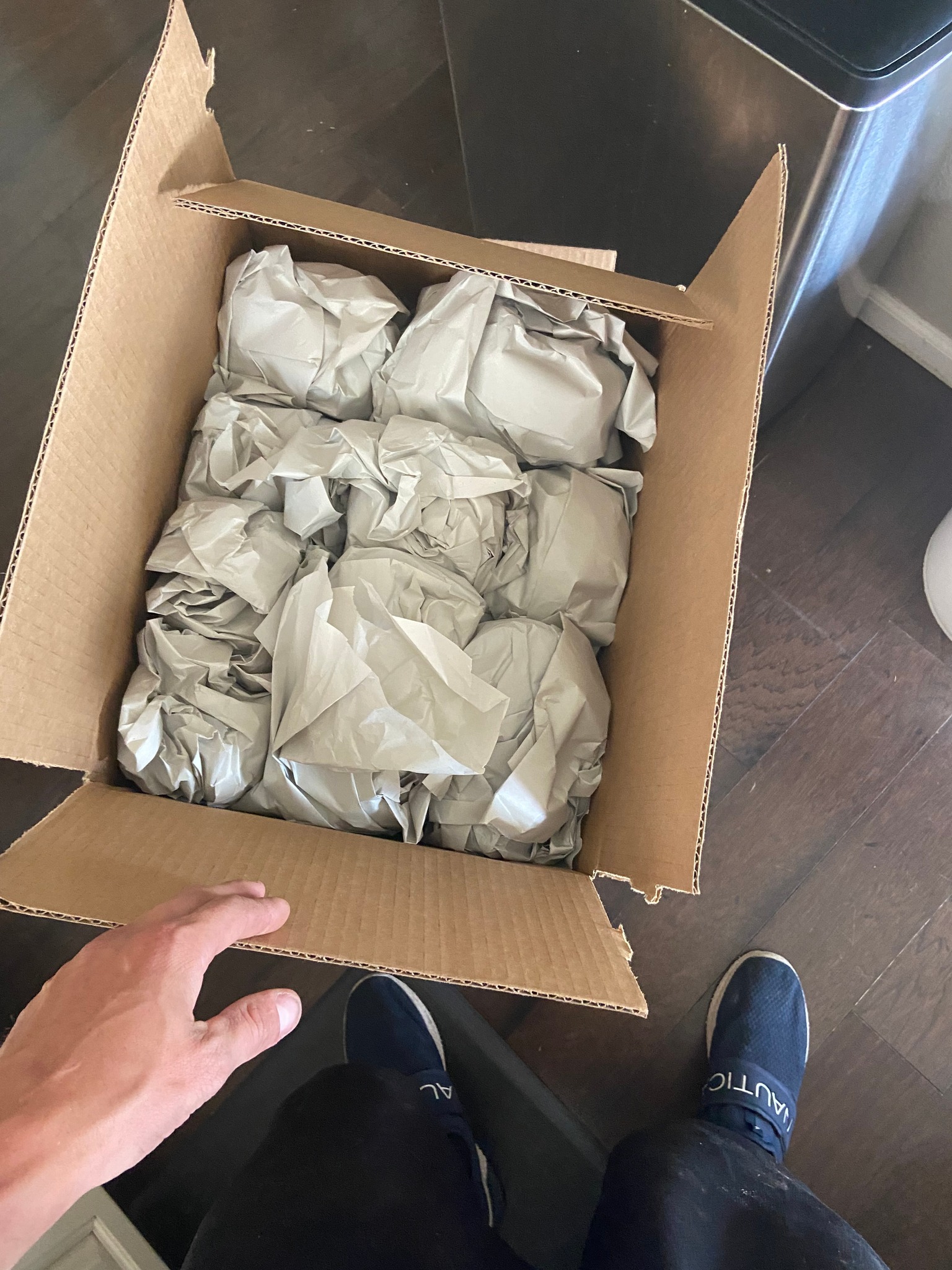
You've spent years—maybe decades—building your collection. That hand-painted vase from your grandmother. The delicate crystal stemware you only use for holidays. The porcelain figurines you've hunted for at estate sales. The framed art that took you months to find just the right piece. Each item represents not just monetary value but memories, sentiment, and time. The thought of any of them breaking during a move is genuinely distressing.
Here's the uncomfortable truth: most broken items during moves are fragile decorations and collectibles. Not because movers are careless or because moving trucks are rough, but because people don't pack these items correctly. They underestimate how delicate things are, overestimate how much protection newspaper provides, or run out of time and rush through packing the most breakable stuff in their home.
Moving fragile items in Denver comes with specific considerations. Our dry climate can make certain materials brittle. Our weather extremes mean items might go from a climate-controlled home into a truck that's been sitting in 90-degree heat or 20-degree cold. Our altitude doesn't directly affect fragile items, but the rapid elevation changes if you're moving to or from Denver can affect pressure-sensitive packaging. And if you're moving during one of Denver's infamous hailstorms? Well, that's yet another variable to worry about.
This guide will walk you through exactly how to protect your fragile decorations and collectibles during a move, whether you're relocating within Denver, moving to a nearby suburb, or making a longer distance journey. We'll cover professional packing techniques, material selection, boxing strategy, and how to decide what's too valuable to risk in a regular moving truck.
The Pre-Packing Phase: Inventory and Assessment
Before you wrap a single item, you need to know exactly what you have and what you're dealing with. This assessment phase is where most people want to skip ahead—it feels like you're not making progress—but it's arguably the most important step in protecting your fragile items.
Walk through every room in your home and identify every fragile item that needs special handling. Make a list. Be thorough. It's easy to remember the obvious stuff—your china cabinet full of collectibles—but what about the decorative items on top of your kitchen cabinets? The framed photos throughout the house? The decorative bowls on the coffee table? That expensive lamp in the guest room? All of these are fragile and all need to be on your list.
As you're making this list, take photographs. Photograph every valuable or fragile item from multiple angles. If something breaks during the move, these photos become critical for insurance claims. They document the condition before packing and prove what you owned. For particularly valuable pieces, photograph any maker's marks, signatures, or identifying features. These detailed photos take ten minutes now and can save you thousands of dollars later if something goes wrong.
Categorize your fragile items by both material type and value. Glass items pack differently than ceramics. Porcelain requires different handling than metal decorative pieces. And items with significant financial or sentimental value might need different protection than purely decorative pieces. Create mental (or literal) categories: extremely valuable items you'll transport yourself, valuable items that need professional packing, and regular fragile items you can pack yourself with proper materials.
This is also the time to make difficult decisions about what actually makes the move with you. That collection of thrift store vases you sort of like but aren't attached to? Moving them has a cost—time to pack them, materials to protect them, space in the truck, risk of damage. If you're not truly committed to displaying them in your new place, consider donating them. Every fragile item you don't move is one less thing to worry about breaking.
Research replacement values while you're at it. For insurance purposes, you want to know what items are actually worth. That figurine you bought for twenty dollars at an estate sale might be worth significantly more—or significantly less—than you think. For truly valuable collectibles or antiques, consider getting professional appraisals before your move. It costs money, but knowing you have a $5,000 antique versus a $50 reproduction changes how you approach protecting it.
Gathering the Right Packing Materials
The single biggest mistake people make with fragile items is cheaping out on packing materials. Newspaper is not adequate protection for anything genuinely fragile. Neither are old t-shirts, towels, or "whatever I have lying around." Professional packing materials exist because they work, and the money you save by not buying proper materials will evaporate the first time something breaks.
Bubble wrap is non-negotiable. Not the thin stuff, but proper bubble wrap with bubbles at least half an inch in diameter. Buy more than you think you need—you'll use it all. Small rolls from the dollar store won't cut it for a whole house worth of fragile items. Go to a moving supply store, U-Haul, or order it online in bulk. Budget at least one large roll per room of fragile items, possibly more depending on your collection.
Packing paper is also essential. This is different from newspaper—it's clean, ink-free paper specifically for wrapping items. Newspaper can work for some things, but the ink transfers and can stain light-colored ceramics or fabrics. Packing paper is cheap and worth having. Use it as a first layer before bubble wrap, and for filling empty spaces in boxes.
Foam pouches and sleeves are excellent for dishes, glassware, and anything with a regular shape that fits. These are those stretchy foam sheets with a pocket or sleeve design. They provide consistent padding and are faster to use than hand-wrapping everything. For anyone packing a lot of dishes or glasses, foam pouches are a game-changer.
You need proper boxes, and the size matters enormously. Small boxes for heavy fragile items like books or ceramics. Medium boxes for lighter fragile items like decorations. Large boxes should be used sparingly for fragile items—they're tempting because you can fit more stuff, but large boxes get heavy, and heavy boxes get dropped. Rule of thumb: if a box of fragile items weighs more than thirty pounds, you've over-packed it.
Specialty boxes are worth considering for certain items. Dish packs (also called china barrels) are specifically designed for fragile items with double-wall construction and extra thickness. They cost more but provide significantly better protection. For expensive or irreplaceable items, the extra five dollars per box is nothing compared to the value of what's inside.
Packing tape—and we mean good packing tape, not scotch tape or masking tape—is essential. Get the wide, reinforced packing tape and use plenty of it. The bottom of every box holding fragile items should be taped in an H-pattern for maximum strength. Don't skimp on tape. A box that fails and dumps your grandmother's china collection on the driveway is not worth the dollar you saved.
Markers for labeling, ideally in multiple colors so you can color-code by room or fragility level. "FRAGILE" labels or stickers are helpful but not a substitute for clearly written instructions. "FRAGILE - GLASS - THIS SIDE UP - KITCHEN" is infinitely more useful than just a red "FRAGILE" sticker.
Finally, consider specialty materials for specific items. Corrugated cardboard dividers for glassware. Foam corners for picture frames and mirrors. Stretch wrap for bundling groups of items. Specialized crates for artwork. These aren't necessary for every move, but if you have valuable items, they're worth investigating.
The Art of Wrapping Individual Items
How you wrap each individual item determines whether it survives the move intact. This is where patience and technique matter more than speed. Don't rush this process—a broken antique because you were in a hurry is a permanent loss.
Start with the clean surface. Wipe down items before packing so you're not sealing in dust or debris that could scratch surfaces during transport. This is particularly important for glass and polished surfaces.
For glass items—vases, bowls, drinking glasses, glass decorations—the wrapping technique follows a specific order. Place the item in the center of a sheet of packing paper, bring all corners to the top, and twist gently to secure. This creates a paper cushion around the item. Then wrap with bubble wrap, with bubbles facing in toward the item (despite what instinct says—bubbles in provides more cushioning). Use at least two layers of bubble wrap, more for delicate items. Secure with tape.
Stemware and wine glasses require extra care because of the delicate stems. Stuff the bowl of the glass gently with crumpled packing paper for internal support. Wrap the bowl in paper, then bubble wrap. Wrap the stem separately with paper, then bubble wrap the entire glass. The stem is the weak point—it needs individual protection. Consider using foam sleeves specifically designed for stemware if you have extensive glassware collections.
Ceramic and porcelain items can be deceptively fragile. They look sturdy but chip easily and can shatter if dropped. Wrap these with multiple layers of paper, then bubble wrap, paying particular attention to any protruding elements—handles, spouts, decorative features that stick out. For ceramics with lids, wrap the base and lid separately. If you must pack them together, ensure they can't shift against each other inside the wrapping.
Figurines and collectibles with fine details, thin parts, or protruding elements are among the most challenging items to pack. Small appendages—delicate hands on figurines, thin flower stems on decorative pieces, fine details on collectibles—are break-prone. Wrap these carefully with tissue or soft packing paper first to cushion fine details, then layer on regular packing paper and bubble wrap. For extremely delicate collectibles, consider creating a custom-fitted cushion with foam or building a small box within the larger box specifically for that item.
Picture frames and mirrors combine fragile glass with potential sharp edges. Wrap them in packing paper first, then create an X across the glass with tape—this prevents shards from spreading if the glass does break. Wrap with bubble wrap, then consider using foam corners on all four corners for impact protection. Never pack frames or mirrors flat with other items stacked on top. They should be packed standing upright, ideally in specialty mirror boxes or between other flat items that can't shift.
Metal decorative items are usually less fragile than glass or ceramic, but they can scratch, dent, or scratch other items. Wrap them adequately to prevent damage to the item itself and to prevent them from damaging nearby items. Polished or painted metal pieces need protection from scratching.
For any item with multiple parts, disassemble what you can reasonably disassemble. Lamps should have bulbs removed, shades detached, and finials unscrewed. Decorative items that come apart should be separated. Wrap each component individually, then pack them together in the same box with clear labeling so you know all the parts are in one place.
Boxing Strategy: Protecting Wrapped Items During Transport
Wrapping items correctly is only half the battle. How you place wrapped items inside boxes and how you pack around them determines whether those items survive the inevitable jostling, bumping, and movement that happens during any move.
The fundamental rule of packing fragile boxes is that nothing should be able to move inside the box. Pick up a packed box and shake it gently—if you hear things sliding or shifting, it's not packed correctly. Items that can move will collide with each other or the box walls, and that's where breaks happen.
Start every box with a cushion layer on the bottom. Two to three inches of crumpled packing paper, bubble wrap, or foam padding creates the first line of defense against impacts from below. Never put a fragile item directly against the cardboard bottom—the box could be set down hard, bumped from underneath, or stacked on something uneven.
Place the heaviest items on the bottom of the box and lighter items toward the top. This seems obvious but gets forgotten when you're in a packing groove. A heavy ceramic piece on top of delicate glassware is a recipe for disaster. Weight should always bear downward in a logical progression.
Create layers with cushioning between them. Pack a layer of items, fill all gaps with crumpled paper or bubble wrap, add a flat layer of cardboard or more padding, then pack the next layer. This layer-by-layer approach with barriers between layers prevents items from different levels interacting.
The "one item per box" rule applies to anything genuinely valuable or irreplaceable. If an item would be devastating to lose, give it its own box with extensive padding all around. Yes, this uses more boxes and more packing material. Yes, it's worth it. The marginal cost of an extra box is negligible compared to the value of a treasured collectible.
For boxes with multiple items, ensure each wrapped item is surrounded by cushioning material—they shouldn't be touching each other even through their wrapping. This sounds excessive, but during transport, boxes get pressed from all sides, and items that seem safely separated can end up compressed together if there's not adequate padding between them.
Fill every gap. Empty space in a box allows movement, and movement causes damage. Once the box is packed with items, fill every remaining space with crumpled packing paper, bubble wrap, or foam peanuts. Fill until the box is snug but not over-stuffed. You should be able to close the box without forcing it, but there shouldn't be any voids where items could shift into.
The top cushion layer is as important as the bottom. Before closing the box, add two to three inches of cushioning material on top of the uppermost items. This protects them from impacts from above and from items in other boxes that might be stacked on top.
Close the box and perform the shake test. Gently shake and tilt the box in various directions. You should feel the weight shifting as a solid mass—no rattling, no sounds of items sliding. If you hear individual items moving, open the box and add more cushioning.
Tape the box thoroughly. Use quality packing tape and apply it generously—along the center seam, across the flaps in an H-pattern, and even around the edges for extra security with valuable contents. A box that fails is a disaster, and tape is cheap insurance.
Labeling and Documentation: Making Sure Fragile Means Something
Every moving guide tells you to label fragile boxes, but most people do it wrong. Slapping a "FRAGILE" sticker on one side of a box is not adequate. Professional labeling means the information is clear, visible from multiple angles, and specific enough to be useful.
Write "FRAGILE" on all four sides of the box and on the top. Use large letters that are easily visible even when boxes are stacked. Don't rely on pre-printed stickers alone—hand-write it in marker as well. Redundancy matters.
Specify what kind of fragile items are inside. "FRAGILE - GLASSWARE" is more informative than just "FRAGILE." "FRAGILE - ANTIQUE PORCELAIN" tells movers this box needs extra care compared to "FRAGILE - PICTURE FRAMES." The more information you provide, the better.
Include handling instructions beyond just "fragile." "THIS SIDE UP" with arrows is critical for items that have a specific orientation. "DO NOT STACK" prevents other boxes from being placed on top. "EXTREMELY FRAGILE - HANDLE WITH CARE" escalates the warning for your most delicate items.
Add destination information. "FRAGILE - LIVING ROOM" or "FRAGILE - MASTER BEDROOM" helps ensure boxes end up in the right place without being opened and rifled through to figure out where they belong.
Number your boxes and keep a master list. Box 1 of 4 fragile boxes, Box 2 of 4, etc. On your master list, note what's specifically in each numbered box. This serves multiple purposes: you can verify all boxes arrived, you can quickly find specific items without opening every box, and if something breaks, you know exactly which box to file an insurance claim for.
Use color coding if you're handling lots of fragile items. Different colored tape or markers for different rooms, or different colors for different fragility levels—red for extremely fragile, yellow for moderately fragile, etc. Visual coding makes it faster for everyone to process information at a glance.
Take photos of your labeled boxes. This provides documentation of how items were packed and marked, which can be useful for insurance purposes if needed. It also helps you remember your organizational system when you're unpacking weeks later and can't remember what color meant what.
Create a "DO NOT LOAD" pile for items you're transporting yourself. Mark these clearly and keep them separate from items going on the moving truck. The last thing you want is your most valuable items accidentally loaded onto the truck because someone didn't know they were separate.
If you're using a moving company, walk through fragile items with them explicitly. Show them which boxes are fragile, where you've marked special handling instructions, and which items you're most concerned about. Good communication prevents misunderstandings. Most professional movers are careful, but they can't read your mind about which items matter most to you.
Special Considerations for High-Value Collectibles
Some items in your home are beyond typical fragile—they're valuable enough that special measures are warranted. This might include antiques, fine art, expensive collectibles, or items with high sentimental value that are irreplaceable.
Professional appraisal before your move gives you documentation of value, which is essential for insurance. Many moving companies have limits on liability for items unless they're specifically declared with documented value. That $10,000 antique vase? Your moving company's standard coverage might pay you $0.60 per pound if it breaks unless you've declared its value in advance. Get appraisals, declare values, and purchase additional insurance if necessary.
Custom crating is available for extremely valuable items. This isn't just putting something in a box—it's building a wooden crate specifically sized and padded for an individual item, essentially creating a miniature personalized shipping container. It's expensive, often several hundred dollars per item, but for truly valuable or irreplaceable pieces, it's the gold standard of protection.
Climate-controlled transport is worth considering for items sensitive to temperature or humidity changes. Regular moving trucks aren't climate controlled, and in Denver's temperature extremes, the inside of a truck can get very hot or very cold. If you have items that could be damaged by temperature swings—certain types of art, antiques with delicate finishes, collectibles with temperature-sensitive components—discuss climate-controlled options with your moving company.
For art specifically, professional art handlers exist and specialize in moving paintings, sculptures, and other art pieces. They use specialized crating, climate control, and handling techniques that regular movers don't. If you have valuable art, strongly consider hiring specialists rather than including it with your household move.
Shipping valuable items separately via specialized services is an option for small, extremely valuable collectibles. Fine jewelry, rare coins, small antiques, or other high-value items that are portable can be shipped via insured specialty shippers rather than going on the moving truck. This costs more but provides tracking, insurance, and professional handling specifically for valuable items.
Transporting items yourself is always an option for things you can't bear to risk. If an item would be catastrophic to lose or damage, put it in your car where you have complete control. Climate control, gentle handling, and your personal supervision eliminate many risks. The downside is space—you can only fit so much in a personal vehicle—but for a handful of truly precious items, it's often the right choice.
Document everything extensively for high-value items. Detailed photos from multiple angles, appraisal documents, receipts, certificates of authenticity—all of these should be digitized and stored in the cloud before your move. If something does break or go missing, this documentation is critical for claims. Keep physical copies in a folder that travels with you, not in the moving truck.
Material-Specific Handling Techniques
Different materials require different approaches. What works for glass doesn't necessarily work for metal, and ceramic pieces need different care than crystal.
Glass is straightforward but unforgiving—it breaks when impacted, chips easily, and scratches if rubbed against rough surfaces. The key with glass is multiple layers of soft material and protection from impacts. Bubble wrap is your friend. For very fine glass or crystal, consider wrapping first in soft cloth or tissue before bubble wrap to prevent the bubble wrap texture from potentially marking delicate surfaces.
Crystal requires everything glass needs, but more of it. Crystal is softer than regular glass and scratches more easily. It's also more valuable, making breaks more costly. Lead crystal is particularly delicate. When packing crystal, use additional cushioning layers and definitely use dish pack boxes with their extra-thick walls.
Ceramics and pottery vary wildly in fragility depending on the type and quality. Fine porcelain is extremely delicate and chips easily. Stoneware is more durable but can still crack. Terracotta is porous and can be brittle. When packing ceramics, pay attention to the specific type and adjust your padding accordingly. Unglazed ceramics should be wrapped in acid-free tissue to prevent staining from other packing materials.
Wood decorative items are usually fairly durable, but wood can scratch, dent, and is vulnerable to moisture changes. Denver's dry climate can cause wood to crack if it's been in a more humid environment. When packing wooden items, ensure they're clean and dry, wrap to prevent scratching, and if you're moving to or from a very different climate, consider that wood may expand or contract with humidity changes.
Metal items vary by the type of metal and finish. Polished metals scratch easily. Painted metals can chip. Some metals tarnish or oxidize with exposure to air or moisture. Wrap metal items to prevent scratching and to separate them from other materials that might cause reactions. For valuable metal pieces, consider wrapping in acid-free tissue paper before outer layers.
Fabric and textile decorative items—tapestries, decorative pillows, delicate table linens—need protection from dirt, moisture, and crushing. Clean them before packing, wrap in clean paper or plastic, and don't pack heavy items on top of them. For valuable textiles, acid-free tissue and specialty boxes prevent damage.
Stone and marble decorative pieces are heavy and can chip or crack. Despite seeming very durable, stone can have internal weaknesses or thin sections that break under stress. Pack stone items with substantial padding, especially around edges and corners. Due to weight, use small boxes and don't pack multiple stone items together—the weight adds up quickly.
Wax items—candles, wax sculptures, decorative wax pieces—are vulnerable to temperature. They melt in heat and can become brittle in extreme cold. If you have valuable wax items, transport them in your climate-controlled vehicle rather than the moving truck. If they must go on the truck, insulate them heavily and schedule your move to avoid extreme temperature days.
Mixed-material items that combine different materials—a wooden sculpture with metal details, a lamp with ceramic base and glass shade, decorative items with stone and metal elements—need protection appropriate for the most fragile component. If part of it is glass, treat the whole thing like a glass item. When materials are combined, think about how different materials might react to each other during transport as well.
Loading the Truck: Strategic Placement of Fragile Items
Even perfectly packed fragile boxes can be damaged if they're loaded poorly in the moving truck. Strategic placement and communication with your movers makes a massive difference.
Fragile boxes should never go on the bottom of stacks. The weight of boxes above will compress them, and that compression transfers to the contents. Even well-packed fragile items can break under sustained weight from above. Fragile boxes go on top of stacks or in their own stacks.
Create a "fragile zone" in the truck. Designate an area—typically along one side or in a specific section—where all fragile boxes go together. This makes it obvious which boxes need gentle handling and prevents them from being buried and forgotten about under heavier boxes.
Boxes marked "DO NOT STACK" actually shouldn't have anything stacked on them. This seems obvious, but when space is tight, there's temptation to put just one light box on top. Don't. The marking is there for a reason.
Use furniture and large items to create stable walls and barriers for fragile boxes. A mattress set on its side creates an excellent padded wall to place fragile boxes against. Large furniture pieces can create protective alcoves where fragile boxes are surrounded and can't shift. Strategic arrangement of large items creates natural protective spaces for fragile items.
Load heavy, durable items first toward the front of the truck—furniture, appliances, boxes of books. Build a stable foundation of weight that won't shift. Fragile items go in after this foundation is established, filling in spaces and going on top of stable bases.
Secure everything so nothing can shift during transport. Moving straps, ropes, and loading bars should secure sections of the load to prevent lateral movement. Boxes—particularly fragile ones—that can slide back and forth during transit will end up damaged. The goal is for the entire load to move as one solid mass, not individual items bouncing around.
If you're using professional movers, verify that they understand which items are fragile and ask about their loading strategy. Don't hover or micromanage—they're professionals—but reasonable questions about how they'll load fragile items are appropriate. If you see something that concerns you, speak up politely.
If you're loading the truck yourself, take your time. Rushing is when accidents happen. It's better to take an extra hour loading carefully than to realize halfway to your new home that you heard something shift and break.
For very short local moves within Denver or to a nearby suburb, loading strategy may be less critical since travel time is minimal. For longer distance moves, though, the truck will be on the road for hours or even days, going over bumpy roads, making turns, and experiencing conditions that test your packing job. The longer the transport time, the more critical proper loading becomes.
Unpacking Fragile Items at Your New Home
You've made it to your new place, and the truck is being unloaded. You're not done yet—unpacking fragile items requires as much care as packing them did.
Designate a safe unpacking area for fragile items—somewhere with plenty of space, a soft surface (carpet is better than hardwood), and away from foot traffic. Don't unpack fragile items in the middle of a busy hallway where people are constantly passing through.
Unpack fragile boxes relatively quickly after arrival. Fragile items shouldn't sit in boxes for weeks. Temperature changes and settling can cause delayed damage. You don't need to find permanent homes for everything immediately, but unpack them from their boxes to verify they survived the move and let them acclimate to their new environment.
Open fragile boxes carefully. Use a box cutter or scissors to cut tape, not to stab into the box where you might hit contents. Open the top fully, remove the top cushioning layer, and then extract items carefully from the top. Don't dump out a fragile box or dig through it aggressively.
Inspect each item as you unpack it. Look for any damage—chips, cracks, breaks. For valuable items, compare against the pre-move photos you took. If something is damaged, document it immediately with photos. If you have moving insurance or used a professional company, you'll need to file damage claims quickly—there are time limits.
Keep packing materials for a while. Don't immediately throw away all your bubble wrap and boxes. You might discover damage later, need to file an insurance claim, or realize you want to rearrange and need to pack something again temporarily. Store packing materials for at least a few weeks after your move.
Unpack room by room and prioritize based on use. You probably need kitchen items unpacked quickly for daily life. Decorative items in guest rooms can wait. Strategic unpacking prevents your entire home from being a sea of bubble wrap and boxes simultaneously.
For items that need to be assembled, cleaned, or placed in specific locations, take your time. Your decorative items were packed carefully and moved carefully—don't rush the final step and drop something because you were hurrying to get it on the shelf.
Dispose of packing materials responsibly. Bubble wrap and packing paper can often be recycled or saved for future use. Boxes can be flattened and recycled. Some moving companies will even buy back unused boxes and packing materials. Denver has robust recycling programs, so take advantage of them rather than sending everything to the landfill.
When Things Break Despite Your Best Efforts
Sometimes, despite perfect packing and careful handling, items break anyway. It's frustrating and upsetting, particularly if it's something with sentimental value. Knowing what to do when breakage happens makes the situation marginally less awful.
If you discover something broken, document it immediately. Take clear photos showing the damage from multiple angles. Photograph the packing materials and how the item was wrapped. Photograph the box it was in and how it was labeled. This documentation is critical for insurance claims.
Save all pieces of the broken item. Don't throw anything away until claims are resolved. Sometimes items can be repaired, and having all pieces makes that possible. Even if repair isn't feasible, keeping all pieces is important for insurance purposes.
If you hired a professional moving company, contact them as soon as possible about damage. Most reputable companies have claims processes and want to know when items were damaged. There are usually time limits for filing claims—often 30 days or less—so don't delay.
Review your insurance coverage. If you purchased additional moving insurance or declared high-value items, that coverage should apply. Homeowner's or renter's insurance may also cover moving damage, depending on your policy. Contact your insurance agent to understand what's covered and how to file a claim.
For items with significant financial value, get repair estimates even if they seem irreparable. Professional restoration services can often fix breaks that seem impossible. Porcelain, ceramics, glass, and many other materials can be professionally restored by specialists. In Denver and the surrounding areas, there are restoration services that specialize in antiques and collectibles.
If an item broke because of your own packing error, it's a painful learning experience. You can't file insurance claims for damage caused by inadequate packing, but you can learn from it. Figure out what went wrong—not enough padding, wrong box size, items packed too tightly together—and remember it for next time or for the rest of your unpacking.
For items with sentimental value that broke, remember that the memories aren't gone even if the physical object is damaged or destroyed. This is cold comfort when you're looking at pieces of your grandmother's vase, but it's true. Consider creative ways to honor the item—shadow boxes with the pieces, incorporating pieces into new art, photographs of the intact item. Sometimes acknowledging grief over a lost object and finding a new way to remember what it represented can help.
Professional Packing Services: When to Hire Help
Professional packing services exist specifically for people who have valuable, fragile, or extensive collections. While they cost money, they can be worth every penny depending on your situation.
Who should consider professional packing? If you have a large collection of fragile items, if you have high-value pieces, if you have antiques or art, if you're physically unable to do the packing yourself, or if you simply don't have time to pack properly, professional packing makes sense.
Full-service packing means the company packs everything in your home. They bring all materials, do all the work, and often can pack an entire house in a day. It's expensive but comprehensive. If you're using professional movers anyway, adding packing service often makes logistical sense.
Partial packing services let you pack most of your home but hire professionals for specific rooms or items. Maybe you pack your clothes and kitchen, but hire pros to pack your china cabinet and home office. This hybrid approach saves money while getting expert help for the items that need it most.
Specialty packing for specific categories—art packing, antique packing, museum-quality packing—exists for truly valuable items. These services cost significantly more but provide white-glove handling with specialized materials and techniques. If you're moving items worth thousands of dollars, the cost of professional packing is a tiny fraction of replacement value.
When getting quotes for professional packing, be very clear about what you need packed. Walk the company through your home, show them your fragile items, and discuss your concerns. A good packing service will assess your needs and provide a realistic quote. Be wary of quotes that seem too cheap—proper packing takes time and materials.
Professional packers will provide their own materials, which is part of what you're paying for. They have access to commercial-grade packing supplies and specialty items that consumers can't easily source. They also have the expertise to know which materials are appropriate for which items.
Insurance is typically better when professionals do the packing. Many moving companies will only cover damage to professionally packed items or provide higher coverage levels when their team did the packing. If insurance is important to you, professional packing may be worth it for that reason alone.
The time savings cannot be overstated. Packing a house full of fragile items yourself can take weeks of evenings and weekends. Professionals can do it in a day or two. If your time has value—and it does—professional packing might cost less than the time you'd spend doing it yourself.
Denver-Specific Considerations for Fragile Items
Denver's unique environment, climate, and geography create specific considerations for moving fragile items that don't apply everywhere.
Altitude changes affect air pressure, which can impact some types of packing. If you're moving from sea level to Denver, or from Denver to sea level, sealed containers may expand or contract due to pressure differences. This rarely damages items directly but can affect packaging. For long-distance moves involving significant altitude changes, don't over-inflate packaging air pockets or seal containers completely airtight.
Dry climate impacts various materials. Wood can dry out and crack. Adhesives on older items can fail. Some materials become more brittle in Denver's low humidity. If you're moving to Denver from a humid climate, or vice versa, allow fragile items to acclimate gradually to their new environment after unpacking. Sudden humidity changes can cause warping, cracking, or other damage.
Temperature extremes are significant in Denver. Summer days can hit 100 degrees, winter nights can drop below zero. Moving trucks aren't climate controlled. If you're moving during extreme temperature periods, be aware that the inside of the truck can become very hot or very cold. Wax items can melt, certain glues can fail in heat, and some materials become brittle in extreme cold.
Hail is a real concern. Denver experiences severe hailstorms that can damage vehicles and property. If a hailstorm is forecast or occurs during your move, ensure the moving truck is parked under cover if possible. While hail won't penetrate the truck, the impact and noise can be startling, and severe hail can delay the move.
Sun intensity at altitude is stronger. If you're loading or unloading a truck in direct Denver sunlight, it's not just uncomfortable—the heat buildup inside the truck can be extreme. Try to park in shade if possible, especially during summer moves.
Traffic and road conditions in Denver vary by area and season. Smooth highways lead to less jostling than rough city streets. If you're doing a DIY move, plan your route to minimize rough roads when possible. If you're hiring movers, they'll know which routes minimize bumps and which times of day avoid traffic, reducing time in transit and potential for damage.
Local resources for packing supplies in Denver are abundant. Multiple U-Haul locations, dedicated moving supply stores, and major retailers all carry packing materials. Buying local means you can inspect materials before purchase and get exactly what you need without waiting for shipping.
The Bottom Line on Protecting Fragile Items
Protecting fragile decorations and collectibles during a move comes down to three things: proper materials, adequate time, and attention to detail. Cut corners on any of these, and your odds of damage increase dramatically.
Start early. Don't wait until the week before your move to start thinking about how to pack fragile items. Give yourself weeks, not days. Rushed packing is where mistakes happen.
Invest in proper materials. The money you save using newspaper and random boxes is nothing compared to the cost of replacing broken items. Buy the bubble wrap, get the right boxes, use plenty of cushioning.
Pack methodically, one item at a time. Wrap each piece properly, pack boxes carefully, label clearly. Treat each fragile item like it's the most important thing you own, because to you, it might be.
Communicate clearly with anyone helping you—friends, family, or professional movers. Make sure everyone understands which items are fragile, which are particularly valuable, and what your priorities are.
Accept that some risk is inherent in any move. Even with perfect packing, accidents can happen. Focus your energy and resources on the items that matter most—the truly valuable or irreplaceable pieces. Everything else, while still worth protecting, is ultimately replaceable.
Consider professional help when appropriate. If you have valuable collections or you're overwhelmed by the volume of fragile items, professional packing services exist for a reason. They're not a luxury—they're insurance against disaster.
And remember that at the end of the day, objects are just objects. If something breaks, it's disappointing and potentially costly, but it's not the end of the world. Take reasonable precautions, do your best, and don't let fear of damage prevent you from making your move.
Whether you're moving across Denver, to a nearby community, or making a longer distance relocation, protecting your fragile items requires planning, patience, and proper technique. Follow these guidelines, give yourself enough time, and use quality materials, and your treasured decorations and collectibles will arrive at your new home safe and sound, ready to make your new house feel like home.
Helpful Resources & Services
Our Services
Areas We Serve
Ready to Get Started?
Get a free, no-obligation quote from Denver's most trusted moving professionals. We're here to make your move stress-free!
Available Monday-Saturday, 8:00am - 6:00pm • Contact Us