
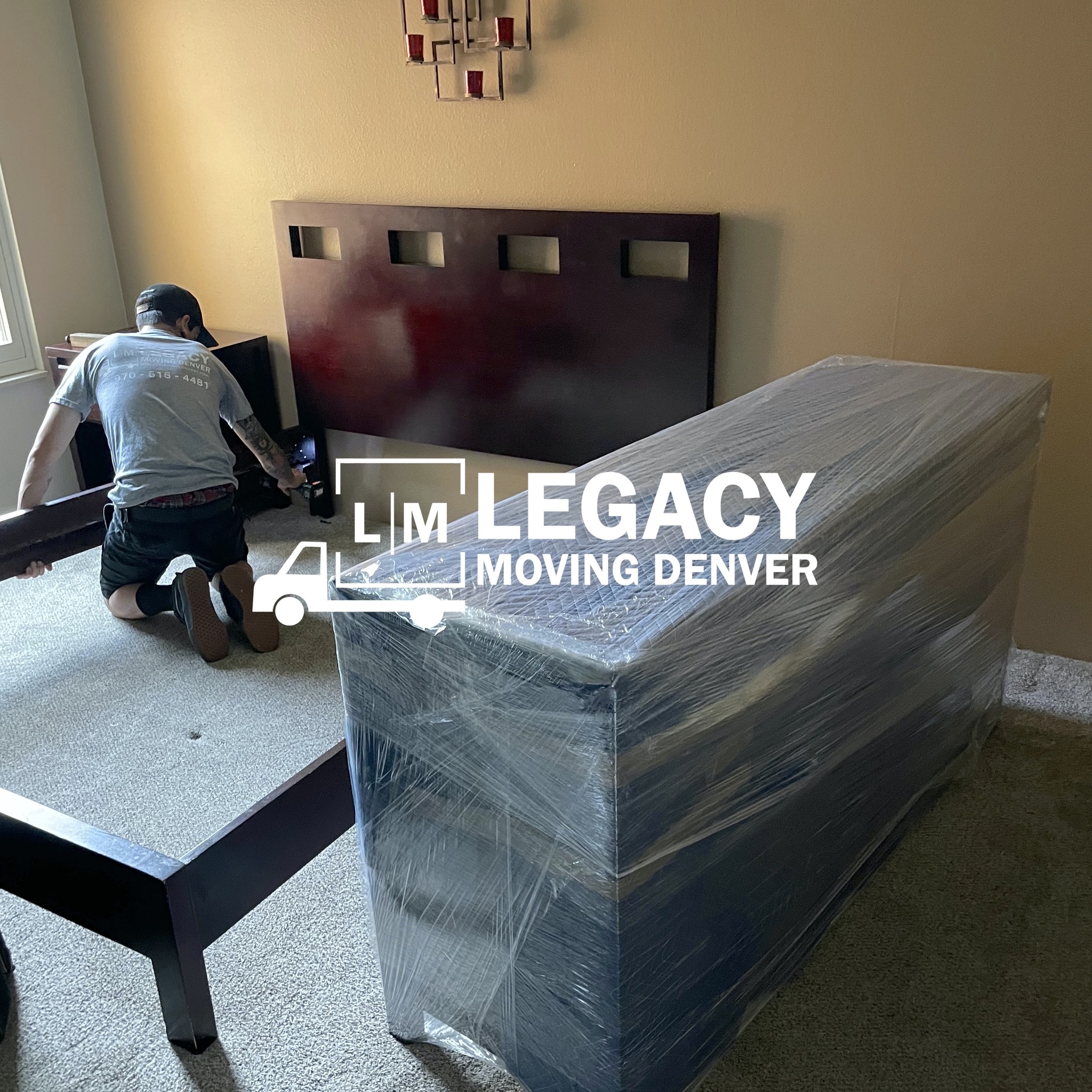
You've decided to hire professional movers. Smart choice—there's a reason the moving industry exists, and it's because moving is physically demanding, time-consuming, and surprisingly complex. But here's the thing: not all moving companies are created equal. The industry has its share of legitimate, professional companies that take pride in their work. It also has its share of scammers, fly-by-night operations, and companies that are technically legal but provide terrible service.
The difference between hiring a good moving company and a bad one is the difference between a smooth, relatively stress-free moving day and an absolute nightmare involving damaged belongings, price gouging, held hostage situations (yes, this really happens), and months of frustration trying to get compensation for damage. The stakes are high, and the research you do before booking matters enormously.
Denver's moving market has specific characteristics you need to understand. We have a robust local economy, people moving in and out constantly, and enough demand to support dozens of moving companies ranging from national chains to small local operations. We also have geographic and logistical challenges—mountain access, altitude, weather unpredictability, and a mix of historic homes with narrow doorways and modern apartments with strict moving requirements. A moving company that's great for flat-land suburban moves might be terrible for navigating downtown Denver's parking restrictions or accessing mountain properties.
This guide will walk you through everything you need to know before hiring movers in the Denver area. We'll cover how to find legitimate companies, what questions to ask, how to interpret quotes, what red flags to watch for, and how to protect yourself throughout the process. Whether you're moving within Denver, to a nearby suburb, or making a long-distance move, understanding how to hire movers properly is one of the most valuable things you can do to ensure a successful relocation.
Understanding Moving Company Types and Licensing
Not all moving companies operate under the same rules or serve the same purposes. Understanding the different types and what licenses they need helps you know what you're hiring.
Local movers handle moves within the same state. In Colorado, these companies need to be registered with the Colorado Public Utilities Commission (PUC) if they're charging for moving services. Any legitimate local moving company should have a PUC number, which you can verify on the PUC website. If a company can't provide their PUC number or tells you they don't need one, that's an immediate red flag.
Long-distance or interstate movers operate across state lines and fall under federal regulations. These companies must be registered with the Federal Motor Carrier Safety Administration (FMCSA) and have a USDOT number. You can look up any USDOT number on the FMCSA website to verify the company exists, check their safety record, and see any complaints or violations. Never hire an interstate moving company that can't provide a USDOT number.
Brokers are companies that don't actually do moves themselves—they connect you with moving companies and take a commission. There's nothing inherently wrong with brokers, but you need to know if you're dealing with one. Brokers must disclose that they're brokers, provide you with the actual moving company's information, and that company must have proper licensing. Problems arise when brokers aren't transparent or when they hand off your move to sketchy subcontractors.
Some companies do both local and long-distance moves and have both PUC authority and USDOT numbers. Larger companies often have multiple divisions or franchise locations. Understanding which entity you're actually contracting with matters for insurance and liability purposes.
Self-storage companies sometimes offer moving services, and moving companies sometimes offer storage. These combined services can be convenient, but verify that the moving portion is properly licensed just like any other mover.
Specialty movers focus on specific types of moves—pianos, antiques, fine art, or corporate relocations. These niche companies often charge more but have specialized equipment and training. If you have items requiring special handling, a specialty mover might be worth the premium.
The size of the company matters less than their reputation and professionalism. National chains have brand recognition and consistent procedures, but local companies often provide more personalized service and have better knowledge of Denver-specific challenges. Judge each company on its own merits, not just on whether they're big or small.
How to Find and Vet Moving Companies
Finding moving companies is easy—they advertise everywhere. Finding good moving companies requires actual research.
Start with multiple sources. Don't just Google "Denver movers" and call the first result. Paid advertising doesn't equal quality. Look at multiple listings, check review sites, and ask for personal recommendations from people you trust who've moved recently.
Online reviews are valuable but require smart interpretation. Read reviews on multiple platforms—Google, Yelp, Better Business Bureau, Facebook. Look for patterns, not individual complaints. Every company gets an occasional bad review, but consistent complaints about the same issues (damage, price increases, late arrivals) are serious red flags. Pay attention to how companies respond to negative reviews—defensive and dismissive responses are concerning, while professional responses that acknowledge issues and explain resolution show maturity.
Check with the Better Business Bureau for complaints and ratings. The BBB isn't perfect, but it provides an independent assessment of how companies handle disputes. An A+ rating doesn't guarantee perfect service, but multiple unresolved complaints and a low rating should be disqualifying.
Ask friends, family, coworkers, and neighbors for recommendations. Personal experiences from people you know are more reliable than anonymous online reviews. If someone you trust had a great experience with a moving company, that company moves to the top of your list. If multiple people warn you away from a company, listen.
Real estate agents often have recommendations. They see which moving companies their clients use and how those moves go. If you're working with a real estate agent, ask who they recommend—and who they'd avoid.
Check local community forums and neighborhood Facebook groups. Denver has active online communities where people share experiences. Search for moving company discussions and ask for recommendations. Hyperlocal advice about which movers know your specific neighborhood can be particularly valuable.
Verify licensing immediately when you're considering a company. Look up their PUC number with the Colorado Public Utilities Commission. Check their USDOT number with FMCSA if they're doing interstate moves. This takes five minutes and immediately eliminates unlicensed operators.
Check insurance information with the company's insurance provider, not just taking the company's word for it. Legitimate companies will provide their insurance company's contact information so you can verify coverage.
How long has the company been in business? Longevity isn't everything—new companies can be excellent—but a company that's been operating successfully in Denver for years has a track record. Be cautious with very new companies or companies that keep changing names, which can be a tactic to evade bad reviews and complaints.
Getting Accurate Estimates: The In-Home or Virtual Assessment
Phone estimates are almost worthless for accurate pricing. A company that gives you a quote without seeing what they're moving is either guessing or planning to dramatically increase the price on moving day. Legitimate companies provide estimates based on actual assessment of your belongings.
In-home estimates involve a company representative coming to your home, walking through every room, assessing furniture and boxes, noting access challenges (stairs, elevators, parking), and providing a written estimate based on what they observed. This is the gold standard for accuracy.
Virtual estimates became more common during COVID and work well for many moves. You do a video call where you walk the representative through your home showing everything that needs to move. These are nearly as accurate as in-home estimates if done thoroughly.
Phone or online estimates based solely on your description of what you're moving are inherently imprecise. Companies that only offer these are often the ones that lowball estimates to get bookings and then jack up prices on moving day when you're stuck. Avoid companies that won't do in-home or thorough virtual assessments.
Get at least three estimates. This gives you comparison points and helps you understand the going rate. If one estimate is dramatically lower than the others, that's suspicious, not fortunate. If one is dramatically higher, you want to understand why—they might be including services others aren't, or they might be overcharging.
During the assessment, walk the estimator through everything. Open closets, show them the garage, mention any items in storage or at another location. Point out anything particularly heavy, bulky, or fragile. Show them access points—where the truck will park, stairs they'll encounter, any narrow doorways or tight corners. The more information you provide, the more accurate the estimate.
Ask the estimator about their experience and training. How long have they been with the company? Have they personally handled moves similar to yours? An experienced estimator can spot potential challenges and accurately gauge how long your move will take, leading to more accurate pricing.
Take notes during the estimate meeting. Write down what the estimator says, what services are included, what would cost extra. Compare your notes across all estimates to ensure you're comparing apples to apples.
Get everything in writing. A verbal estimate is legally meaningless. The written estimate should detail what's included, the pricing structure (hourly vs. flat rate), what's not included, potential extra charges, insurance options, and any guarantees or commitments.
Understanding Moving Quotes and Pricing Structures
Moving company pricing can be confusing because different companies use different structures and terminology. Understanding how to read and compare quotes is essential.
Hourly rates are common for local moves. The company charges per hour (typically with a minimum number of hours) based on the size of the crew and the truck. Rates in the Denver area typically range from around $100 to $200+ per hour depending on crew size and the company. Hourly pricing is straightforward but unpredictable—if the move takes longer than estimated, you pay more.
Flat-rate or binding estimates provide a fixed price for the entire move regardless of how long it takes. These are less common for local moves but standard for long-distance moves. A true binding estimate means you pay the quoted price even if the job takes longer or is more difficult than expected—but the quote is only binding if you don't add services or items that weren't in the original estimate.
Non-binding estimates are common for long-distance moves and are essentially educated guesses. The final price can be higher (or occasionally lower) than the estimate based on actual weight, distance, and services required. Federal law caps how much more than the estimate you can be charged, but surprises are still possible.
Binding not-to-exceed estimates split the difference—the final price won't exceed the estimate, but if the actual cost is lower, you pay the lower amount. These provide protection from price spikes while potentially saving you money.
Understand what's included in the quoted price. Basic loading, transport, and unloading? Packing services? Materials? Stairs or elevators? Long carries (when the truck can't park right at the door)? Disassembly and reassembly of furniture? Different companies include different things in their base rates.
Extra charges are where costs add up. Common extra charges include packing services, packing materials, stairs beyond a certain number of flights, long carries beyond a certain distance, elevators, shuttles (when a smaller truck is needed for difficult access), storage, heavy items (pianos, safes), and furniture disassembly/reassembly. Make sure you understand all potential extra charges before booking.
Deposits and payment terms vary. Some companies require deposits to book, others don't. Some accept credit cards, others require cash or certified check for payment on moving day. Understand payment requirements upfront. Be wary of companies demanding large upfront deposits—that's a common scam tactic.
Pricing for long-distance moves typically factors in weight or volume, distance, time of year, and specific services. These moves are significantly more expensive than local moves. If you're moving out of Colorado, expect prices in the thousands of dollars, not hundreds.
Compare estimates carefully on an apples-to-apples basis. If one company includes packing and another doesn't, adjust for that when comparing prices. If one company is significantly cheaper, figure out what they're not including or what corners they're cutting.
Questions You Must Ask Before Booking
Don't be shy about asking questions. A legitimate company will answer clearly and shouldn't be defensive. Companies that dodge questions or won't provide clear answers are companies to avoid.
"Are you licensed and insured?" should be one of your first questions. Ask for their PUC number and USDOT number (if applicable). Ask for proof of insurance and the name of their insurance company so you can verify coverage independently.
"What insurance coverage do you provide and what does it cover?" is critical. Basic liability coverage required by law is minimal—typically 60 cents per pound for interstate moves. This means your 100-pound television that's worth $2,000 would only be covered for $60 if damaged. Ask about full value protection and what it costs—this is supplemental insurance that covers actual replacement value.
"How long have you been in business?" and "Are there any other names you do business under?" help you verify their history and ensure they're not hiding from bad reviews under a previous name.
"Will your employees be doing my move, or do you subcontract?" Subcontracting isn't inherently bad, but you deserve to know who's actually handling your stuff. If they subcontract, what vetting do they do of subcontractors?
"What is your claims process if something is damaged?" Ask specifically how to file a claim, what documentation you need, typical response times, and what percentage of claims they pay out. A company that makes claims impossible or never pays them is worthless even if they technically have insurance.
"What happens if the move takes longer than estimated?" For hourly moves, this is important. Do they stop charging after a certain point? Is there a maximum? For binding estimates, what constitutes a change that would alter the binding price?
"What's your policy if you can't complete the move on the scheduled day?" Weather, truck breakdowns, and unexpected problems happen. How does the company handle this? Do they have backup trucks? What compensation do they offer if they no-show?
"What's included in your quote and what would cost extra?" Go through potential extras systematically—stairs, long carries, packing, materials, elevator access, furniture disassembly. Get specific prices for likely extras.
"Do you have experience with [my specific situation]?" If you're moving into a high-rise downtown apartment, ask about their experience with building requirements and parking restrictions. If you're moving to a mountain property, ask about steep driveways and difficult access. Denver-specific experience matters.
"What's your cancellation and rescheduling policy?" Life happens and moves get delayed. Understand what flexibility exists and what penalties apply for changes.
"Can you provide references?" Some companies offer references from recent customers. While these will obviously be cherry-picked satisfied customers, talking to previous clients can still provide useful information about what to expect.
Red Flags That Should Disqualify a Company
Some warning signs are so serious that they should immediately eliminate a company from consideration.
No physical address or only a P.O. box is a huge red flag. Legitimate companies have actual business locations. Companies operating out of storage units or with no fixed address are often scams or fly-by-night operations that will disappear if there are problems.
Can't or won't provide licensing information means they're not properly licensed. This is illegal and you have zero protection if things go wrong. Walk away immediately.
Very large deposits required—particularly deposits that are non-refundable or required weeks in advance—are a common scam. Once they have your deposit, they have leverage to demand more money. Legitimate companies may require a small deposit or credit card on file, but be wary of anyone demanding hundreds or thousands of dollars upfront.
Quotes that are dramatically lower than everyone else's aren't bargains—they're bait for bait-and-switch scams. The company gets you booked with a lowball quote, shows up on moving day with your stuff loaded, and then demands much more money to deliver it. Since your belongings are hostage, many people pay. Don't fall for it.
No written estimate or contract means you have no legal protection. Everything must be in writing. Verbal promises mean nothing. If a company won't provide written documentation, they're not legitimate.
Demand for cash-only payments is suspicious. While some companies prefer cash, legitimate operations accept multiple payment forms. Companies that only accept cash are often trying to avoid taxes and regulatory oversight.
Name that's confusingly similar to a well-known company is a deliberate tactic to trade on another company's reputation. If you Google "ABC Movers" and find "ABC Professional Movers," "ABC Moving Services," and "ABC Expert Movers" that all seem to be different companies with similar names, at least some of them are trying to capitalize on confusion.
No insurance or only minimum coverage with no option for additional protection shows the company doesn't care about protecting your belongings. If they're not willing to back up their work with proper insurance, they're expecting to damage your stuff.
High-pressure sales tactics or insistence that you book immediately are red flags. Legitimate companies don't need to pressure you. If someone is pushing you to commit on the spot without time to check references or get other quotes, they don't want you looking too closely.
Unwilling to provide company's insurance information for you to verify independently means they either don't have insurance or it's not what they claim. Any legitimate company will provide their insurance company's contact information.
Recent complaints or patterns of problems in online reviews, particularly complaints about hostage situations, massive price increases, or damage with no compensation, are serious warnings. One or two bad reviews can be outliers, but patterns matter.
Denver-Specific Considerations for Your Move
Denver's unique geography, climate, and urban landscape create specific considerations that not all movers handle well.
Downtown Denver parking and building access can be nightmarish. Narrow streets, no truck parking, loading dock requirements, elevator reservations, and building insurance certificates are all common challenges. When getting estimates, specifically ask about the company's experience with downtown moves and high-rise buildings. Do they know how to get building insurance certificates? Have they worked with specific buildings' management companies? Will they arrange parking permits?
Historic neighborhoods like Washington Park, Capitol Hill, and Highlands have beautiful old homes that weren't designed for modern furniture. Narrow staircases, tight corners, low doorways, and historic details that can't be damaged require experienced movers who know how to navigate these challenges without destroying your furniture or the house.
Apartment complexes often have strict moving requirements—approved moving companies lists, certificate of insurance requirements, elevator reservations, moving hours restrictions, deposit requirements for elevator use. Ask potential movers if they've worked with your specific complex and if they're on the approved list if one exists.
Mountain access is relevant if you're moving to or from mountain properties. Not all moving trucks can handle steep driveways or high-altitude access roads. If your property is in the foothills or mountains, ask specifically about the company's experience with mountain moves and whether their trucks can handle your driveway.
Weather contingency plans are essential in Denver. Our unpredictable weather means your moving day could encounter rain, snow, extreme heat, or dramatic temperature swings. Ask how the company handles weather delays and what protection they provide for your belongings in bad weather. Do they have tarps and plastic? Are they willing to reschedule if conditions are truly dangerous?
Storage options matter if there's a gap between when you move out and move in. Many Denver moving companies offer short-term and long-term storage. If you need storage, ask about their facilities—are they climate-controlled? What security do they have? How accessible are items if you need to retrieve something before moving into your new place?
Seasonal demand in Denver peaks in summer and at the end of the month. If you're moving during high-demand times, book earlier—ideally 4-6 weeks in advance, possibly more for peak summer weekends. Off-season moves (November through March, excluding holidays) often have more availability and sometimes better rates.
Insurance and Liability: Protecting Your Belongings
Understanding moving insurance is one of the most important and most misunderstood aspects of hiring movers.
Basic liability coverage is the minimum required by law for interstate moves—60 cents per pound per item. This is not actual insurance; it's basic legal liability. It means that 50-pound antique dresser worth $2,000 is only covered for $30 if damaged. This coverage is nearly worthless for anything of real value.
Full value protection is real insurance that covers items at replacement value. If something is damaged or lost, the company must repair it, replace it, or compensate you for full value. This costs extra—often 1-2% of the declared value of your shipment—but it's worth it if you have valuable belongings.
Declared value is how much you state your shipment is worth. This determines the maximum the company is liable for and affects your insurance cost. Be realistic about value—undervaluing saves money on insurance premiums but means inadequate compensation if disaster strikes.
Deductibles may apply to full value protection. Just like health or auto insurance, you might have a $250 or $500 deductible, meaning you pay the first chunk of any claim. Understand deductible terms before buying coverage.
Exclusions matter. What does the insurance not cover? Acts of God like earthquakes or floods are often excluded. Items you packed yourself may not be covered, or coverage may be limited. High-value items like jewelry or collections may have coverage caps or require special declarations. Read the fine print.
Homeowner's or renter's insurance may cover moving damage, depending on your policy. Check with your insurance agent before your move to understand what's covered and whether you need to purchase additional moving insurance. Sometimes your existing policy provides better coverage than the mover's insurance.
Third-party insurance is offered by some independent insurance companies that specialize in moving coverage. This can sometimes provide better coverage for less money than the moving company's insurance. Research options and compare.
Document everything before the move. Photograph valuable items, note existing damage, keep receipts and appraisals for expensive items. This documentation is essential if you need to file a claim. Without proof of pre-move condition and value, claims are much harder.
Inventory lists should be detailed. When the movers create an inventory of your items, check it carefully. Items not on the inventory will be nearly impossible to claim as damaged or lost. Note existing damage on the inventory so you're not blamed for pre-existing problems.
Inspect items as they're delivered. Don't sign a delivery receipt saying everything arrived in good condition until you've actually verified that. Check furniture for damage, open boxes and ensure contents are intact, especially for valuable or fragile items. Once you sign accepting delivery, filing claims becomes more difficult.
File damage claims immediately. Most companies have tight deadlines for filing claims—often 30 days or less. Don't delay. Document damage with photos, keep all packing materials as evidence, and follow the company's claims process exactly.
Preparing for Your Movers and Moving Day Expectations
Hiring professional movers doesn't mean you can do nothing—proper preparation makes their job easier and protects you.
Clear pathways before movers arrive. They shouldn't have to navigate through clutter to get to furniture. Clear routes from rooms to exits, and from the door to where the truck will park. Remove trip hazards, tuck away delicate items that could be bumped, and make the space as accessible as possible.
Protect your property. Movers will do their best, but moving is hard on homes. Lay down floor protection on wood or tile floors. Use corner guards on walls in tight stairways. Remove or protect light fixtures that could be hit. Take down any wall decorations or fragile items near moving routes.
Have a parking plan. Where will the moving truck park? Do you need to reserve a spot? In some Denver neighborhoods, parking is competitive. Don't make movers park two blocks away—that dramatically increases how long your move takes and what it costs.
Valuables and important documents should travel with you, not on the moving truck. Jewelry, cash, important papers, medications, and irreplaceable items should be in your personal vehicle where you have direct control. Don't pack these in boxes that go on the truck.
Have a first-day box that stays with you—basic necessities like toiletries, change of clothes, phone chargers, basic tools, and anything you'll need immediately. This box doesn't go on the truck; you transport it yourself so you have essentials accessible immediately at your new place.
Be present on moving day. Someone needs to be there to answer questions, provide access, direct where furniture goes, and sign paperwork. Don't schedule your move and then disappear—that creates confusion and delays.
Walk through with the lead mover at both locations. Show them any particularly valuable or fragile items, point out access challenges, mention any furniture that disassembles, and be available for questions. Communication prevents problems.
Tip appropriately. Moving is physically demanding work. If your movers do a good job, tip them. Standard guidelines suggest $20-30 per mover for a half-day move, $40-50 for a full day, more for exceptional service or particularly difficult moves. Have cash available on moving day.
Read all paperwork before signing. Don't sign blank forms or documents you don't understand. The bill of lading for long-distance moves and the delivery receipt are legally binding contracts. Read them, ask questions about anything unclear, and only sign when you're satisfied.
What to Do If Things Go Wrong
Despite your best efforts, problems sometimes occur. Knowing what to do when things go wrong can make the difference between resolution and ongoing nightmare.
Document everything immediately. If items are damaged, photograph them from multiple angles. If the movers are unreasonably late or don't show up, note the time and take photos showing you're ready to move. If prices are suddenly higher than quoted, photograph the written estimate and the new demand. Documentation is your evidence.
Get names and details. Note the names of the movers, the truck license plate, and any other identifying information. For serious problems, having specific details about who was involved is important for filing complaints or legal action.
File formal complaints through proper channels. For local Colorado moves, file complaints with the Colorado Public Utilities Commission. For interstate moves, file with FMCSA. The Better Business Bureau also accepts complaints. Formal complaints create records and sometimes prompt companies to resolve issues they might otherwise ignore.
Contact your credit card company if you paid by card. If a company commits fraud or breaches contract, you may be able to dispute the charge through your credit card company. This doesn't always work, but it's an option worth exploring.
Leave honest reviews. Other consumers deserve to know about your experience. Leave reviews on Google, Yelp, BBB, and Facebook. Be honest and factual—don't exaggerate or make things up, as that undermines credibility. Stick to facts: what happened, what the company did or didn't do, and the outcome.
Consult a lawyer for serious issues. If a company holds your belongings hostage demanding more money, if there's substantial damage and they refuse to pay, or if fraud is involved, legal action may be warranted. Some lawyers offer free consultations for consumer protection cases.
Report criminal behavior to police. If you're victim of theft, extortion, or fraud that crosses into criminal behavior, file a police report. Moving scams are sometimes prosecuted criminally, particularly organized operations running large-scale fraud.
Learn from the experience. If you got burned, figure out what red flags you missed so you don't make the same mistake next time. Were there warnings you ignored? Did you skip important vetting steps? Use it as an expensive lesson.
Making Your Final Decision
You've done your research, gotten estimates, asked questions, and checked references. Now you need to decide.
Don't choose based solely on price. The cheapest quote is rarely the best value. Consider reputation, professionalism, experience, communication quality, and how comfortable you feel with the company. A company that costs 10% more but has excellent reviews and makes you feel confident is worth the extra money.
Trust your instincts. If something feels off about a company—the estimator was sketchy, they avoided answering questions, reviews are concerning—listen to that. Your gut reaction is processing information even if you can't articulate exactly what's wrong.
Read the contract thoroughly before signing. Make sure everything discussed is in writing. Make sure you understand all terms, all potential extra charges, insurance coverage, and your obligations. Don't sign anything until you're comfortable with everything in the contract.
Verify final details a few days before the move. Call the company to confirm they have the correct date, addresses, and any special instructions. This prevents last-minute surprises and ensures everyone is on the same page.
Have a backup plan. Even with perfect planning, things can go wrong—trucks break down, movers get sick, weather makes moving dangerous. Know what you'll do if your movers no-show. Having the contact information for at least one other moving company as a backup is smart planning.
Moving is stressful enough without worrying whether your movers are going to destroy your belongings or extort extra money. Doing proper research and hiring a legitimate, professional moving company removes one huge source of stress from the moving process. Yes, it takes time to vet companies properly. Yes, you might pay a bit more for a reputable company. But the peace of mind knowing your belongings are in good hands and that you won't be dealing with moving day disasters is worth every penny and every minute of research.
Whether you're staying in Denver, moving to Aurora, Lakewood, or any other Front Range community, or making a longer distance move out of state, the principles of hiring good movers remain the same: verify licensing, check references, get written estimates, ask the right questions, and trust companies that have earned strong reputations through years of professional service. Do your homework, make an informed decision, and your moving day will be so much smoother than if you'd just called the first number on Google and hoped for the best.
Helpful Resources & Services
Our Services
Areas We Serve
Ready to Get Started?
Get a free, no-obligation quote from Denver's most trusted moving professionals. We're here to make your move stress-free!
Available Monday-Saturday, 8:00am - 6:00pm • Contact Us