
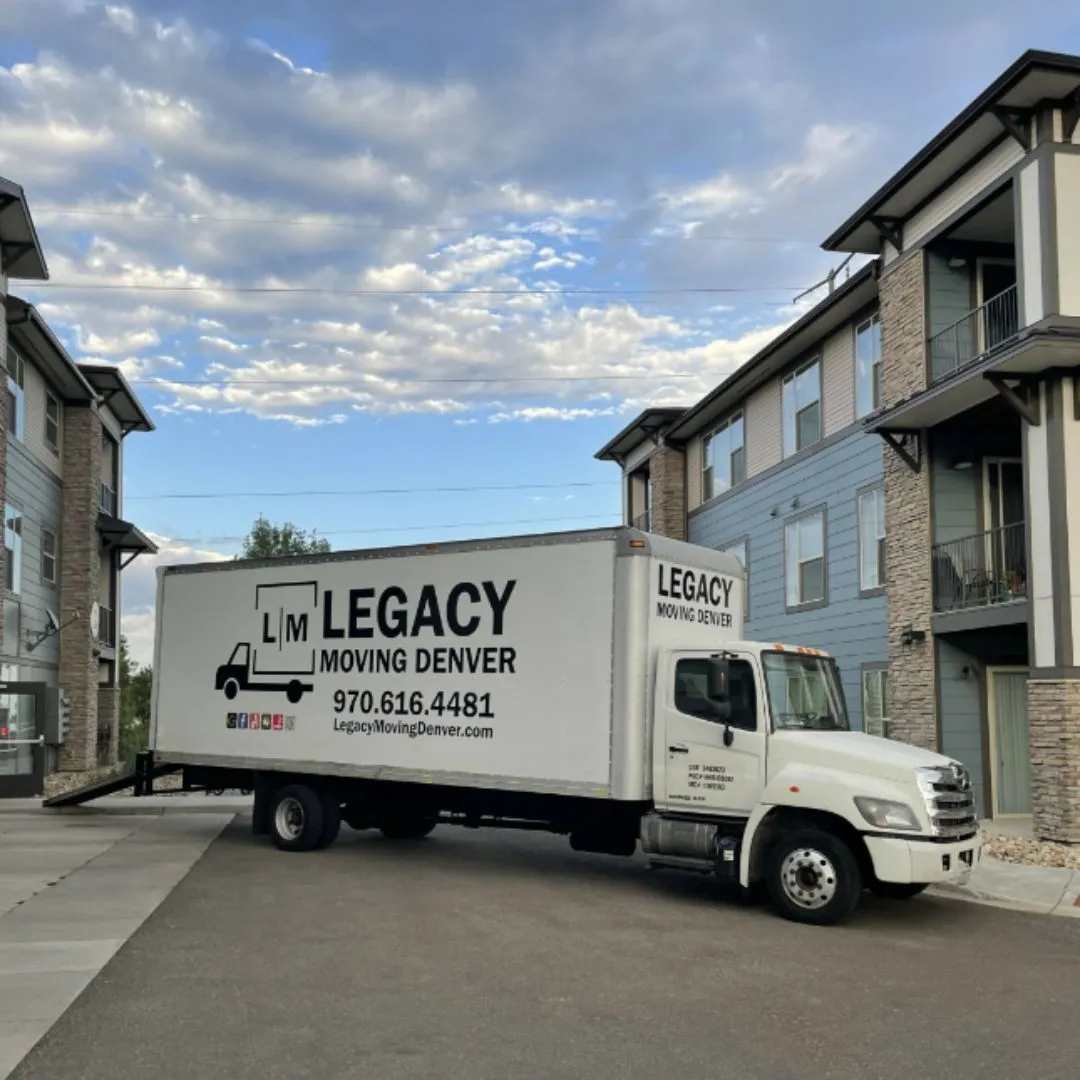
Moving in Colorado winter sounds miserable, but it doesn't have to be. In fact, winter is one of the best times to move in Denver for several reasons: lower prices, easier scheduling, and less competition for peak-season moving slots. The key is proper preparation. Here's what you need to know.
The Case for a Winter Move in Colorado
Before diving into the challenges, it's worth noting the advantages of moving during Colorado's off-peak season (November through March):
- Lower rates: Moving companies are less busy in winter and often offer more competitive pricing. Hourly rates and overall estimates tend to be lower than during peak season (May–September).
- More scheduling flexibility: Your preferred date, time, and crew are much easier to get in January than in June. No competing for Saturday slots months in advance.
- Less traffic: Denver traffic, while still significant, is generally better in winter than during peak summer months.
- Landlords and sellers are more motivated: If you're negotiating a lease start date or closing on a home, winter sellers and landlords are often more flexible on timing.
Understanding Colorado Winter Weather
Denver winter is different from what people who've never experienced it expect. Some key facts:
- Denver gets snow, but it melts fast. A major snowstorm might dump 8–12 inches, but within 2–3 days of sunny weather, streets are often clear. The city's altitude means sunlight is intense even in winter.
- Chinook winds: Warm winds off the mountains can dramatically raise temperatures in hours. A 20°F morning can become a 55°F afternoon.
- Cold at night, milder by day: Typical Denver winter days are cold but often sunny. The challenge is overnight lows and morning ice.
- Blizzards happen: While not constant, Denver does get significant storms. March historically gets more snow than December or January.
- The mountains are different: If you're moving from or to a mountain community (Boulder, Fort Collins, Evergreen, Breckenridge), expect more extreme conditions than Denver proper.
Planning Your Winter Move
Monitor the Weather Forecast Closely
In the week before your move, watch the forecast daily. Colorado weather is notoriously variable, but modern forecasting is reasonably accurate within 3–5 days. If a major storm is predicted for your moving day, it's worth calling your moving company to discuss options. Reputable movers in Denver have experience with winter weather and often have contingency plans.
What to watch for:
- Heavy snow accumulation forecasted (6+ inches) during your move window
- Ice storm or freezing rain (more dangerous than snow for slippery surfaces)
- Extreme cold (below 0°F affects truck performance and makes outdoor work hazardous)
- High wind warnings (loading trucks becomes dangerous in extreme wind)
Build in Weather Flexibility If Possible
If your timeline allows it, don't lock yourself into a single day with no flexibility. Having a one-day buffer built into your move (knowing you could shift to the next day if needed) reduces the stress of weather uncertainty significantly. This is easier if you've arranged a brief overlap between your old lease and new one, or if you have access to both properties for a short period.
Know the Cancellation and Reschedule Policy
Before signing a moving contract, understand the company's weather-related cancellation and reschedule policy. Good movers will work with you if a genuine storm makes moving unsafe. Get this in writing.
Preparing Your Home and Belongings for a Winter Move
Clear Snow and Ice Before Movers Arrive
This is the single most important thing you can do on moving day in winter. Clear snow and ice from:
- Your driveway and parking area (so the truck can safely position)
- Walkways from the door to the truck (movers are carrying heavy items—one slip is serious)
- Front steps and entry
- Any paths through the home where movers will walk
Lay down non-slip rugs or matting at entryways to prevent wet, slippery conditions as movers track snow inside. Put cardboard or protective materials on hardwood floors if the entrance is getting wet from foot traffic.
Protect Your Floors
Winter moves bring more dirt, water, and salt inside than summer moves. Use floor protection:
- Cardboard or plastic runners in high-traffic areas
- Ask movers about floor protection materials (many bring these)
- Have old towels or rugs at both the origin and destination entry points
Account for Temperature-Sensitive Items
Some items don't tolerate cold well and need special attention during a winter move:
- Electronics: LCD screens, hard drives, and batteries don't perform well in extreme cold. Wrap electronics in blankets and ensure they warm up gradually before powering on at the new home.
- Plants: Even a few minutes in a below-freezing truck can kill houseplants. Transport plants in your vehicle with the heat on, not in the moving truck.
- Musical instruments: Wood cracks in extreme cold and dry conditions. Protect instruments carefully and allow them to acclimate slowly to the new home's temperature.
- Art and antiques: Extreme temperature swings can damage finishes and adhesives. Pack well and keep out of the truck during extended cold snaps.
- Paints and chemicals: Many paints and liquids freeze or are damaged by extreme cold. These should travel in your heated vehicle.
- Medications: Some medications require temperature control. Keep them in your personal vehicle.
Wrap Furniture Extra Well
Cold and dry air can affect wooden furniture, leather, and upholstery. Professional movers use furniture blankets year-round, but winter moves benefit from extra wrapping. If you have particularly valuable pieces, communicate this to the movers in advance.
On Moving Day: Winter-Specific Tips
Dress for the Weather
Even if the movers are doing the physical work, you'll be outside directing, walking between homes, and supervising. Dress in warm layers, wear waterproof boots with good traction (not smooth-soled shoes), and have a hat and gloves.
Keep Entry Areas Cleared Throughout the Day
Snow and ice can accumulate during the move if it's actively snowing. Check walkways periodically and clear new snow as it falls rather than letting it build up.
Communicate with Your Movers
Good communication with your moving crew is even more important in winter. Make sure they know:
- Any particularly slippery spots to watch for
- Temperature-sensitive items they should know about
- Whether there's indoor staging space available at both homes (to minimize the number of trips through cold temperatures)
Have Hot Drinks Available
If the temperature is genuinely cold, having a thermos of coffee or hot chocolate available for the crew is a small gesture that goes a long way. Working in the cold is physically demanding.
Keep the Homes Warm
Keep the heat on at both properties throughout moving day. This makes the work more comfortable for the crew, protects temperature-sensitive items, and prevents pipes from freezing while doors are frequently open (which drops indoor temperatures significantly).
If It Snows During Your Move
If snow starts falling while your move is in progress:
- Have a shovel and salt readily accessible at both properties
- Clear accumulation on walkways every 30–45 minutes if snow is falling steadily
- If conditions become unsafe (ice forming faster than it can be cleared, visibility issues), pause and reassess with the crew lead
- Professional movers are familiar with Colorado weather—trust their judgment on safety
At the New Home: Winter Arrival Tips
When you arrive at the new home in winter:
- Turn the heat on first. If you have access to the new home before moving day, set the thermostat the night before. Arriving at a freezing home after a cold move day is miserable.
- Let electronics warm up. Don't power on cold electronics immediately. Give them 30–60 minutes at room temperature before turning them on.
- Check water lines. If the property was unoccupied, verify that pipes are functional and haven't frozen.
- Stock essentials in your car. On a cold winter move, having hot food, warm drinks, and a change of dry clothes accessible without digging through boxes is worth the pre-planning.
Winter Move Advantages Worth Remembering
When the logistics feel overwhelming, remember why winter moves have their advocates:
- Lower cost—often 10–20% less than peak season rates
- More scheduling flexibility—get your preferred date and time
- Denver's winter snow melts quickly—conditions change rapidly
- Less moving day heat stress—hauling furniture in July heat is its own kind of miserable
- The city is quieter—less traffic, less competition for loading zones
Special Considerations for Mountain and Foothill Moves
If you're moving to or from a mountain or foothill community—Evergreen, Golden, Morrison, Conifer, Boulder, Estes Park, or any of the mountain towns along I-70 or US-285—winter moving requires additional planning beyond what a standard Denver metro move needs.
- Road conditions: Mountain roads can be icy, closed, or requiring chains even when Denver roads are clear. Check CDOT's cotrip.org the day before and morning of your move.
- Truck access: Large moving trucks may not be able to navigate steep, narrow mountain roads or low-clearance bridges. Discuss your specific address with the moving company in advance—they may need to use a smaller shuttle truck.
- Weather lag: A storm that passes through Denver overnight can still be active in the mountains the following morning. Build extra time into mountain move schedules.
- Weight restrictions: Some mountain roads have seasonal weight restrictions that affect large trucks. Your mover should be aware of these, but confirm if you're in a less-trafficked area.
Protecting Your New Home During a Winter Move-In
Beyond protecting your belongings, a winter move requires protecting the new home itself—particularly if it's been vacant.
Check for Frozen or Damaged Pipes
If your new home has been unoccupied during a cold snap, there's a real risk of frozen pipes—especially in homes with poor insulation or older plumbing. Before movers start bringing things in:
- Turn on faucets briefly to check water flow at several points in the house
- Check under sinks and in utility areas for signs of pipe damage or leaks
- If pipes are frozen (no water flow), call a plumber before the move proceeds—this needs to be resolved before the home fills with furniture and boxes
Heating System Check
Confirm the heating system is functioning well before moving day. If the furnace hasn't run in a while, have it inspected (or at minimum, turned on and observed for a few hours). Discovering a furnace problem on moving day in January is a miserable experience.
If the home uses radiant heat, baseboard heaters, or a boiler system, allow extra warm-up time—these systems heat more slowly than forced air.
Winter Moving Checklist
A quick reference for cold-weather Denver moves:
- ☐ Monitor weather forecast starting 5 days out; set alerts for storm warnings
- ☐ Confirm mover's weather policy in writing before signing contract
- ☐ Purchase ice melt and have a shovel accessible at both properties
- ☐ Arrange floor protection (cardboard runners, plastic sheeting, old rugs) for both homes
- ☐ Identify all temperature-sensitive items and plan for them to travel in your vehicle
- ☐ Wrap wooden furniture and antiques extra carefully
- ☐ Ensure heat is on at new home before movers arrive
- ☐ Check that pipes are not frozen at new home before move-in begins
- ☐ Keep walkways and driveway clear throughout moving day
- ☐ Have hot drinks available for the crew
- ☐ Pack your "first night" bag with warm clothes, blankets, and essentials accessible without digging through boxes
- ☐ Have dinner planned—cooking on moving day in winter is even less appealing than usual
How Denver Moving Companies Handle Winter Weather
Experienced Denver movers have dealt with Colorado winters for years and have established practices for managing cold-weather moves safely. What you can expect from a professional crew:
- Proper footwear with good traction for slippery conditions
- Extra furniture blankets to protect items during transport in cold trucks
- Awareness of floor-safety issues and willingness to take extra precautions
- Good communication if conditions deteriorate and adjustments need to be made
- Experience evaluating when conditions are safe to proceed vs. when a delay is warranted
If you have questions about how a specific company handles winter moves, ask directly. Any company worth hiring should be able to give you a clear answer. Legacy Moving Denver has been operating through Colorado winters for years and takes weather-related safety seriously for both our crews and your belongings.
Winter Moving in Denver—We've Got You Covered
Legacy Moving Denver operates year-round and has extensive experience with Colorado winter conditions. We bring proper equipment, monitor weather, and know how to keep your move safe and efficient in any season. Get a free quote for your winter move today.