
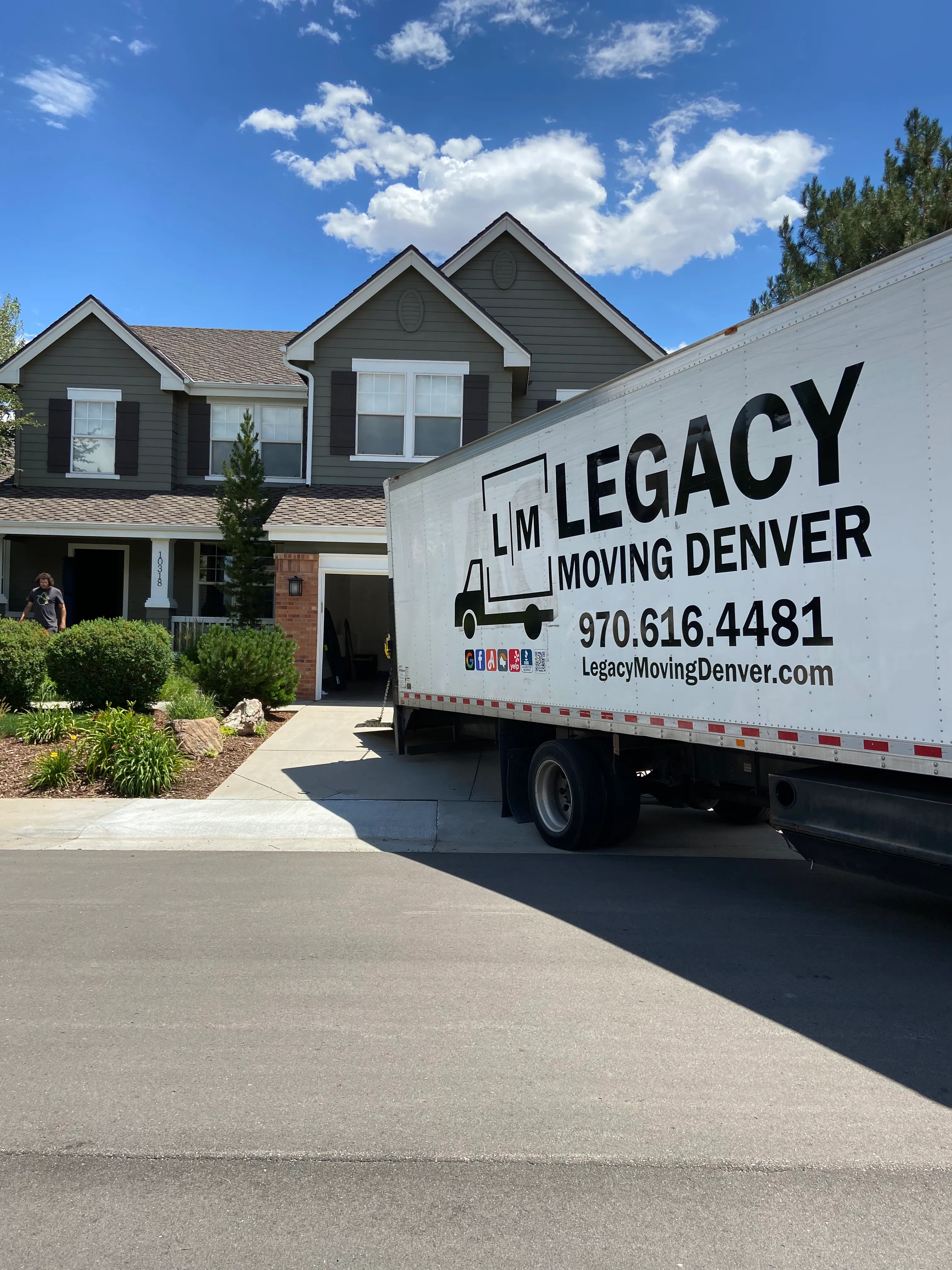
Most moving day stress doesn't come from the move itself—it comes from not knowing what to expect. When does the truck show up? How long will loading take? What are you supposed to be doing while the movers are working? This guide answers all of that, hour by hour.
Whether you're doing a local move across Denver or relocating from one end of the metro to the other, understanding the flow of moving day helps you stay calm, stay out of the way when needed, and step in when it matters. Here's what a typical professional moving day looks like.
The Night Before Moving Day
Moving day prep actually starts the evening before. Don't wait until morning to do these things—you'll thank yourself at 8 a.m. when you're not scrambling.
- Confirm your appointment window with the moving company. Most movers give a 1–2 hour arrival window, not an exact time.
- Charge your phone. You'll be coordinating, directing, and probably photographing your old home before you leave.
- Pack your "first night" bag separately from everything else—toiletries, a change of clothes, phone charger, medications, snacks, and anything you'll need immediately at the new place.
- Clear a path to your front door and staging area. Move cars, bikes, or anything else that would block the movers' path.
- Disassemble furniture you haven't gotten to yet—bed frames, shelving units, anything that needs to come apart before it can be moved.
- Defrost your refrigerator if it's being moved. Most movers recommend emptying and defrosting at least 24 hours in advance.
Try to get everything boxed up by the night before. Movers can pack for you if needed, but if you're doing your own packing, having it done before they arrive saves significant time—and money if you're paying hourly.
Moving Day Morning: The First Two Hours
Before the Movers Arrive (T-minus 1 hour)
Wake up early. Even if your movers are scheduled for 9 a.m., get up at 7:30. You'll want time to eat breakfast (do it now—you may not get a real meal until late afternoon), do a final walkthrough of every room, and make sure you haven't missed anything.
Things to do before arrival:
- Put pets in a closed room with food, water, and their bed. Moving day with an anxious dog or escape-artist cat loose in the house is a serious problem.
- Identify any items you do NOT want moved—things being donated, things going in your personal car, items to throw away. Set these aside clearly or label them so there's no confusion.
- Have cash or a payment method ready if you're tipping (tipping is standard and appreciated for good service).
- Make sure your building or community has been notified if you need elevator reservations or parking permits. Denver apartment buildings often require advance booking of freight elevators.
- Have drinks and snacks available for the crew. Not required, but appreciated and often returned in the form of extra care.
Movers Arrive and Walk Through (First 30–45 Minutes)
When the crew arrives, the lead mover will introduce themselves and do a walkthrough of your home. This isn't just formality—they're assessing what they're working with. During this walkthrough, point out:
- Items that need special handling or wrapping (TV screens, artwork, mirrors, antiques)
- Anything particularly heavy or awkward (gun safes, pianos, large appliances)
- Items you're NOT moving so nothing gets loaded accidentally
- Parking situation at the destination so they can plan truck placement
- Any access issues at the new home (stairs, narrow hallways, elevator reservation times)
This is also when you'll sign the bill of lading—the moving contract that lists the agreed services, pricing, and inventory. Read it before signing. Make sure the destination address and service details are correct.
Loading: The Longest Part of the Day
Loading is where the bulk of the time goes. For a typical two-bedroom home, expect loading to take 2–4 hours. A three-bedroom takes 3–5 hours. A studio or one-bedroom might be 1.5–2.5 hours. These are rough estimates—the actual time depends on how much you have, how well-packed it is, and any access challenges.
What the Movers Are Doing During This Time
Professional movers work in a system. They're not just carrying boxes to the truck randomly. A good crew is padding and wrapping furniture as they go, organizing the truck so items are secure and accessible, and moving quickly but carefully. They'll typically:
- Protect floors and doorframes with padding or plastic covers
- Disassemble remaining furniture (beds, tables) if not already done
- Wrap furniture in moving blankets and secure with stretch wrap
- Load heavy, dense items first (furniture, appliances) against the truck walls
- Stack boxes strategically by weight and fragility
- Use ties and straps to secure everything
What You Should Be Doing During Loading
This is not the time to hover. Professional movers do their best work when they have space to move and aren't being watched anxiously. That said, you shouldn't disappear completely—they may have questions.
What you should actually be doing while they load:
- Do a room-by-room walk after movers clear each room to make sure nothing is left behind.
- Check closets, cabinets, and drawers—the places most likely to have forgotten items.
- Gather anything going in your personal vehicle that shouldn't go on the truck (valuables, medication, important documents).
- Start cleaning rooms as they're emptied if you need to leave the place spotless for a landlord.
- Photograph any remaining furniture or fixtures at the old place for your records.
The Drive and Midday Break
For local Denver moves, the drive between locations is usually 20–45 minutes depending on traffic and distance. For moves across the metro (say, from Thornton to Littleton), budget an hour or more. During this time, you'll drive to the new home, ideally arriving slightly before or at the same time as the truck.
If it's a longer move—across town or to a nearby city like Boulder, Fort Collins, or Colorado Springs—the drive becomes a real midday break. Use it to eat if you haven't, pick up lunch for the crew if you'd like to, and mentally transition from "leaving" to "arriving."
Beat the Truck to the New Home
Try to arrive at the new home before or at the same time as the moving truck. You'll need to:
- Unlock and open the home
- Do a quick walkthrough to spot any issues (damage, utilities not on, unexpected surprises)
- Decide where large furniture pieces will go before movers start unloading—it's much easier to point and say "that goes against the north wall in the bedroom" than to have them move a king bed three times
- Ensure the parking situation for the truck is clear
Having a floor plan sketch—even a rough one—helps enormously. Movers can set furniture directly where it belongs on the first try.
Unloading and Setup
Unloading is generally faster than loading—usually about 60–70% of the loading time. Items come off the truck, get carried in, and get placed based on your direction. This is the part of the day where being present and engaged actually pays off: if you're not there to say where things go, boxes end up in random rooms and furniture ends up in the wrong spot.
Direct Traffic, Don't Touch
Your job during unloading is to direct, not carry. Stand near the entrance or move between rooms to tell movers where each piece goes. Say it clearly: "Master bedroom, against the left wall." "Kitchen—that one goes in the corner by the window." "Living room, facing the TV wall."
If you try to carry things alongside the movers, you'll likely slow them down and create coordination issues in tight spaces. Let them work.
Furniture Assembly
If your movers disassembled furniture at the origin, they'll typically reassemble it at the destination—bed frames, dining tables, and similar items. If you need specific assembly services, confirm this before moving day. Legacy Moving includes standard furniture disassembly and reassembly as part of the move.
Final Walkthrough and Closeout
Once everything is off the truck, do a final walkthrough with the lead mover. This is your chance to:
- Confirm everything made it to the right rooms
- Note any items that need to be moved to a different spot
- Check for any damage to walls, floors, or furniture that occurred during the move
- Sign the final paperwork confirming the job is complete
If you notice any damage, document it before the movers leave. Take photos, note it on the paperwork, and let the lead mover know. Reputable moving companies have claims processes for damage—but documentation matters.
Tipping
Tipping isn't mandatory, but it's standard in the moving industry and genuinely appreciated. A common benchmark is $20–50 per mover for a local move, depending on crew size, difficulty, and how well the day went. For longer or more challenging moves, more is appropriate. Give tips in cash directly to each crew member rather than to the company.
After the Movers Leave: The First Hours in Your New Home
Once the truck pulls away, the real work begins—making the new space feel livable. A few priorities for the first afternoon and evening:
- Set up your bedroom first. You'll need to sleep somewhere tonight. Getting the bed assembled and basic bedroom items in order should happen before anything else.
- Get the bathroom functional. Toilet paper, soap, towels, and toiletries should be accessible immediately.
- Locate your first-night bag and make sure it's accessible—don't let it get buried under boxes.
- Check utilities. Is the water on? Heat or AC? If anything isn't working, call your landlord or utility provider now, not tomorrow.
- Order dinner or have food ready. Cooking on moving day isn't realistic. Denver has excellent delivery options—take the night off from the kitchen.
How Long Does a Full Moving Day Take?
Here are general estimates for a Denver local move by home size:
- Studio or 1-bedroom: 3–5 hours total (loading + drive + unloading)
- 2-bedroom: 5–8 hours total
- 3-bedroom: 7–10 hours total
- 4+ bedrooms: 10+ hours, sometimes split across two days
These estimates assume the home is already packed. Add 2–4 hours if movers are doing packing services as well.
What Makes Moving Day Go Smoothly
After years of moves across Denver, here's what separates smooth moving days from chaotic ones:
- Everything is boxed and labeled before the crew arrives. Loose items, half-filled boxes, and last-minute packing dramatically slow down loading.
- You've confirmed parking and access at both locations. A moving truck that can't park close to the entrance adds an hour to the job.
- You know where furniture is going in the new home. Movers who have to guess or rearrange waste time and energy.
- Someone is available to direct and make decisions. Having to track down the homeowner every time a question comes up kills momentum.
- You've communicated special items in advance. The piano, the gun safe, the marble dining table—these need equipment and planning. Surprises on moving day create delays and sometimes extra charges.
Planning a Move in Denver?
Legacy Moving Denver has completed thousands of local moves across the metro area. We show up on time, communicate clearly, and handle your belongings with care. Get a free quote today—no surprises on moving day.