
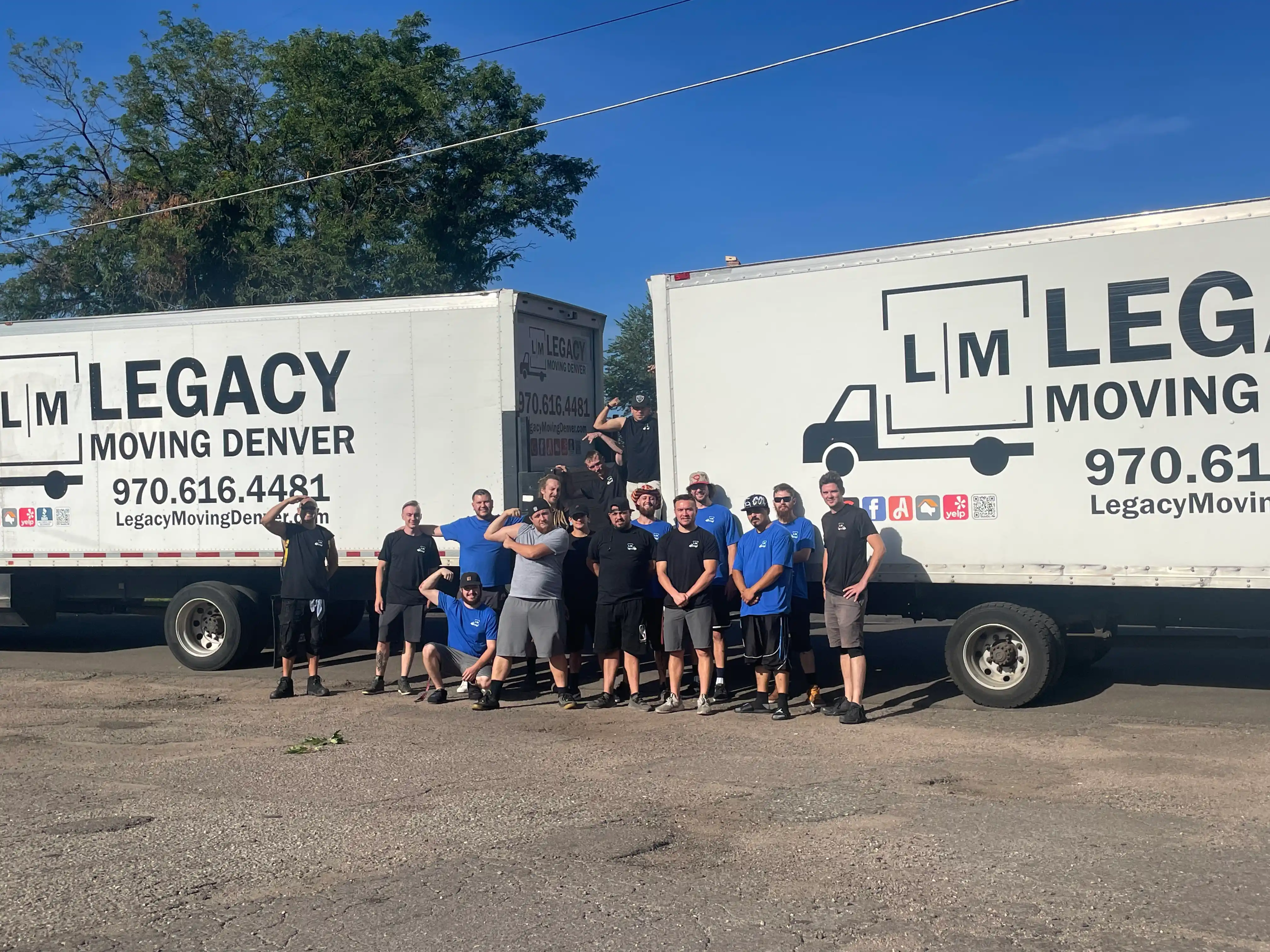
Colorado is a genuinely unusual place to move. The climate has real teeth — snow in October, sunshine in January, afternoon thunderstorms in July — and the Denver real estate market has its own rhythms that don't always line up with what's cheapest or easiest for movers. This guide breaks down what each season is actually like for moving in Colorado, so you can time your move to fit your priorities rather than just going along with whatever's available.
The Quick Answer
If cost and availability are your priorities: move in fall or winter (October through February). You'll pay less, get better scheduling flexibility, and work with a more relaxed crew.
If weather and convenience are your priorities: move in late spring (April–May) or early fall (September–October). You'll get the mild temperatures without the summer peak pricing.
If you have no flexibility and must move in peak season: book as far in advance as possible, avoid holiday weekends, and try for a weekday over a weekend.
Summer (June–August): Peak Season, Peak Prices
This is when most Denver moves happen, which creates a set of trade-offs you should understand before you book.
The advantages are real. Weather is generally reliable — dry, sunny days with low rain probability. School is out, which makes family moves easier. The real estate market peaks in summer, so if your move is tied to a home purchase or lease renewal, summer is often when transactions happen.
The downsides are real too. Moving companies in Denver are at capacity from Memorial Day through Labor Day. Hourly rates tend to run 10–20% higher than off-season. Weekend slots book out weeks in advance. The best crews and trucks are reserved first, so if you're booking late, you're getting whatever's left.
Denver heat is also a real consideration. Temperatures in the 90s aren't unusual in July and August. Moving heavy furniture in that heat is physically draining for crews and customers alike, and it slows things down. If you're moving in summer, schedule as early in the morning as possible to beat the heat.
If summer is unavoidable, try to move mid-week rather than on a weekend — rates are often lower and crews are more available Tuesday through Thursday. Booking 6–8 weeks out is the minimum; 10–12 weeks is better.
Fall (September–November): The Hidden Sweet Spot
September through early November is arguably the best time to move in Colorado, and not enough people take advantage of it.
September still feels like summer in Denver — warm, dry, and pleasant — but moving company demand drops noticeably after Labor Day. Kids are back in school, the lease-renewal and home-closing rush has passed, and crews are less stretched. You can often book within 2–3 weeks rather than months out, and rates tend to be closer to off-season levels.
October is the prime fall moving window. Temperatures are ideal — typically 50s to 70s with low humidity and minimal precipitation. Colorado's fall foliage is genuinely beautiful, which is a nice bonus when you're moving. This is also when real estate deals that started in summer close, so there's a natural cluster of moves.
November gets dicier. Early November is often still fine, but mid-to-late November brings the first real chance of snow, and Thanksgiving creates scheduling complications. If you're targeting fall, aim for September or October.
Winter (December–February): Cheapest but Requires Planning
Winter moves get a bad reputation that they don't entirely deserve. Yes, there are real risks — snow, ice, frozen locks, cold temperatures that affect electronics and plants — but winter is also when moving is cheapest, easiest to schedule, and when moving companies are most eager to work with flexible clients.
Rates in winter are typically at their annual low. Same-day availability is possible where it wouldn't be in summer. And Denver's weather, while cold, is often surprisingly manageable. The city gets significant sunshine even in January, and a snowstorm that dumps 8 inches on Tuesday can leave dry, clear roads by Thursday. The mountains get crushed in winter; Denver's Front Range gets a version of winter that's often milder than people who've never lived there expect.
The real risks of winter moving are worth taking seriously though. Ice on driveways and sidewalks creates injury and property damage risk. Moving trucks can get stuck or slide on icy streets. Electronics, plants, and certain furniture shouldn't be in a cold truck for extended periods. Read our full guide on how to handle a winter move in Colorado for specific preparation tips.
If you're moving in winter, give your company a heads-up about weather risks, have rock salt and a shovel ready at both ends, and have a backup plan if a snowstorm hits within 24 hours of your scheduled date. A reputable mover will work with you to reschedule if the weather makes moving genuinely unsafe.
Spring (March–May): Great Weather, Rising Prices
Spring in Denver is paradoxical. March can feel like winter, April can be spectacular, and May starts to feel like the run-up to peak season. The real estate market picks up in spring as it does nationally, and that drives up moving company demand.
Early spring (March) still offers off-season pricing and availability, with the added benefit that truly bad weather is usually behind you. Late spring (May) is when summer pricing starts to kick in, and availability tightens noticeably heading into Memorial Day weekend.
April is worth highlighting specifically. It's often overlooked but frequently excellent — mild temperatures, reasonable availability, not yet at peak pricing. If your timeline has flexibility, April is a solid choice.
Day of Week and Time of Month Matter Too
Beyond the season, a few other timing factors affect cost and availability:
Weekday vs. Weekend
Weekends are the most requested moving days — by a lot. Most people want to move on a Saturday when they don't have work. This means weekend slots fill up faster and often cost more. If you can move on a Tuesday or Wednesday, you'll typically get better availability, more scheduling flexibility, and sometimes a lower rate. It makes no difference to the quality of the move.
Beginning vs. End of Month
Leases tend to start and end at the first and last of the month, which creates predictable demand spikes. The last few days of the month and the first few days of the new month are the busiest periods for local movers. If your timeline allows you to move on the 10th or 15th rather than the 1st or 31st, you're moving against traffic.
Holidays
Moving around major holidays creates scheduling complications and sometimes higher rates. Memorial Day, Fourth of July, and Labor Day weekends are especially dense — avoid them if you can. The period between Christmas and New Year's is surprisingly busy too, as people time moves around the end of lease periods.
When You Can't Choose
Most moves are tied to factors you can't fully control — a home closing date, a lease start date, a job relocation timeline. If you're locked into a summer weekend date, the best you can do is book early, prepare well, and work with a reputable mover. Knowing what to expect on moving day helps you prepare regardless of when you're moving.
For 3-bedroom homes and larger, early booking is especially important. Read our guide on how far in advance to book a moving company to make sure you're not caught short.
Working With Legacy Moving Denver
We move year-round across the Denver metro, and we're built to handle Colorado's weather in every season. Whether you're moving in a January snowstorm or a July heat wave, we come prepared with the right equipment and a team that knows how to handle the conditions. Get a free quote at any time by calling (720) 764-2299 or using our online quote form.